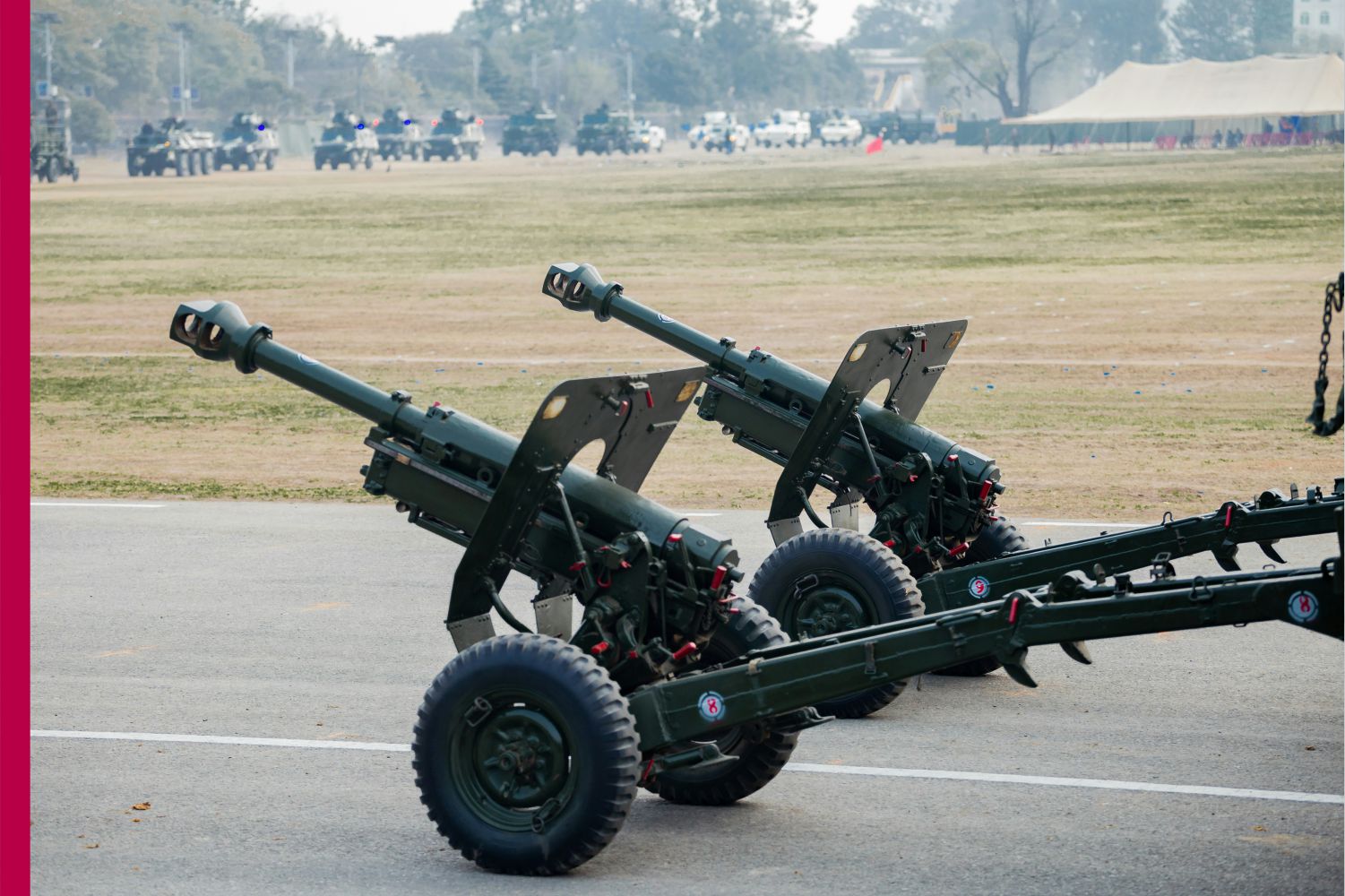




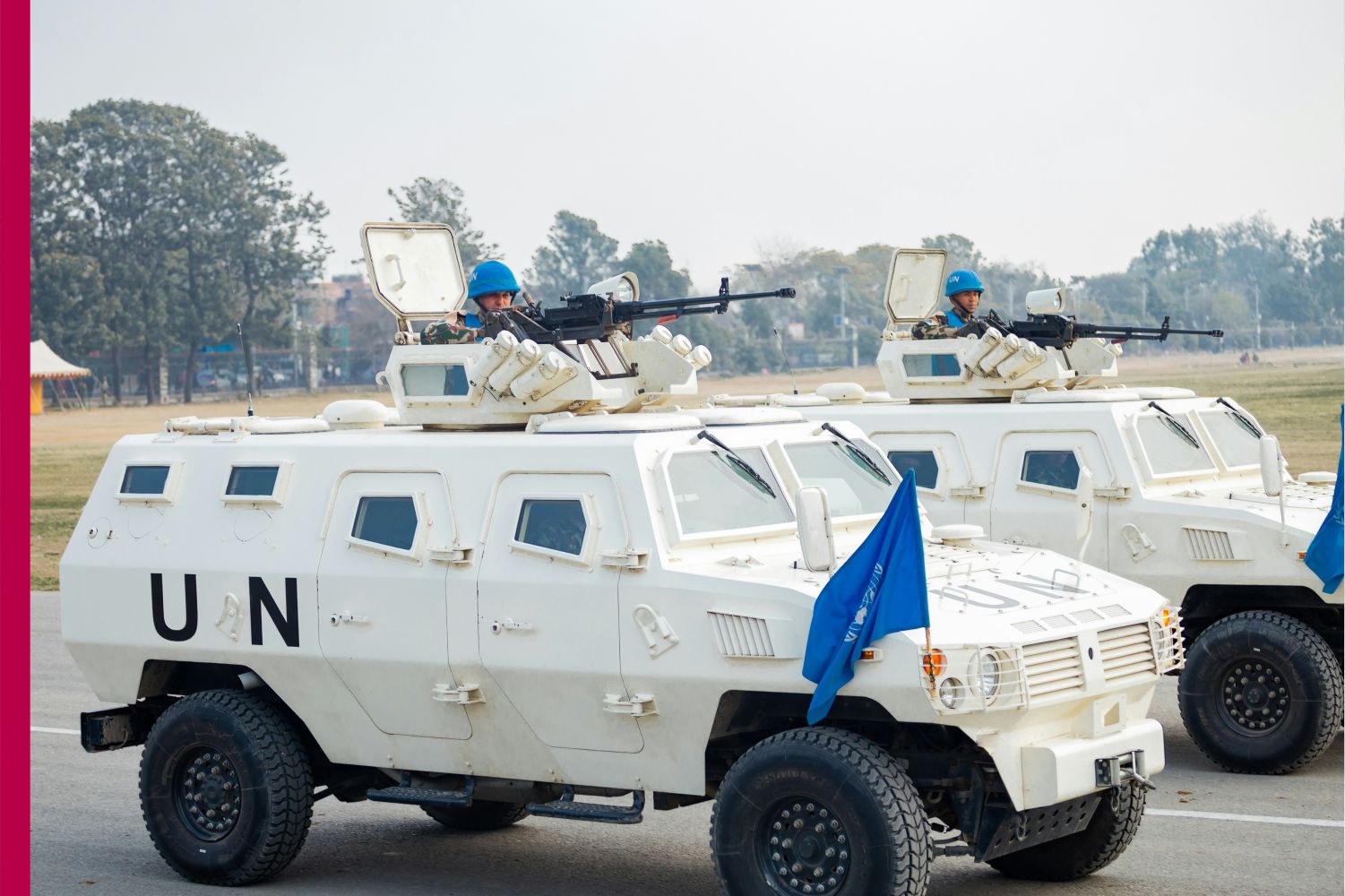
Global defense partnerships have become an important part of modern international relations as countries work together to address evolving security challenges. In an increasingly interconnected world, nations face complex threats that extend beyond traditional borders, including cybersecurity risks, technological competition, climate-related security concerns, and regional instability. Defense partnerships allow countries to improve cooperation, share knowledge, strengthen capabilities, and promote collective security.
A global defense partnership refers to cooperation between countries or international organizations in areas related to security and defense. These partnerships may include military cooperation, technology development, intelligence sharing, joint training programs, humanitarian assistance, and strategic planning. The goal is to enhance preparedness and create stronger responses to shared challenges.
One of the key benefits of international defense cooperation is improved security coordination. No single country can address every security challenge alone. By working together, nations can combine resources, expertise, and capabilities. Joint exercises and training programs help military forces improve communication, coordination, and operational readiness. These activities also build trust between participating nations.
Technology collaboration is another major area of global defense partnerships. Modern security environments increasingly depend on advanced technologies such as artificial intelligence, communication systems, cybersecurity solutions, satellite technology, and autonomous systems. Countries often collaborate on research and development to improve technological capabilities. These partnerships support innovation while helping nations adapt to rapidly changing security landscapes.
Cybersecurity has become a major focus of defense cooperation. Digital threats can affect governments, businesses, and critical infrastructure worldwide. International partnerships help countries exchange information about cyber risks, strengthen digital defenses, and develop strategies to protect important systems. Cooperation in cybersecurity is becoming essential as technology becomes more integrated into national security.
Defense partnerships also support humanitarian and disaster response efforts. Military organizations often assist during natural disasters, emergencies, and humanitarian crises. International cooperation enables faster response through shared resources, coordinated planning, and specialized expertise. These partnerships help communities recover from challenges while demonstrating the broader role of defense organizations beyond traditional security operations.
Economic cooperation is another important aspect of global defense relationships. Defense partnerships can encourage industrial collaboration, research opportunities, and innovation in related sectors. Countries may work together on manufacturing, maintenance, technology exchange, and skill development. Such cooperation can contribute to economic growth while strengthening strategic relationships.
Regional security organizations and alliances play an important role in maintaining stability. Countries often form partnerships based on shared interests, geographic connections, or common security goals. These collaborations create frameworks for dialogue, crisis management, and coordinated action. Strong diplomatic and defense relationships can reduce misunderstandings and encourage peaceful solutions.
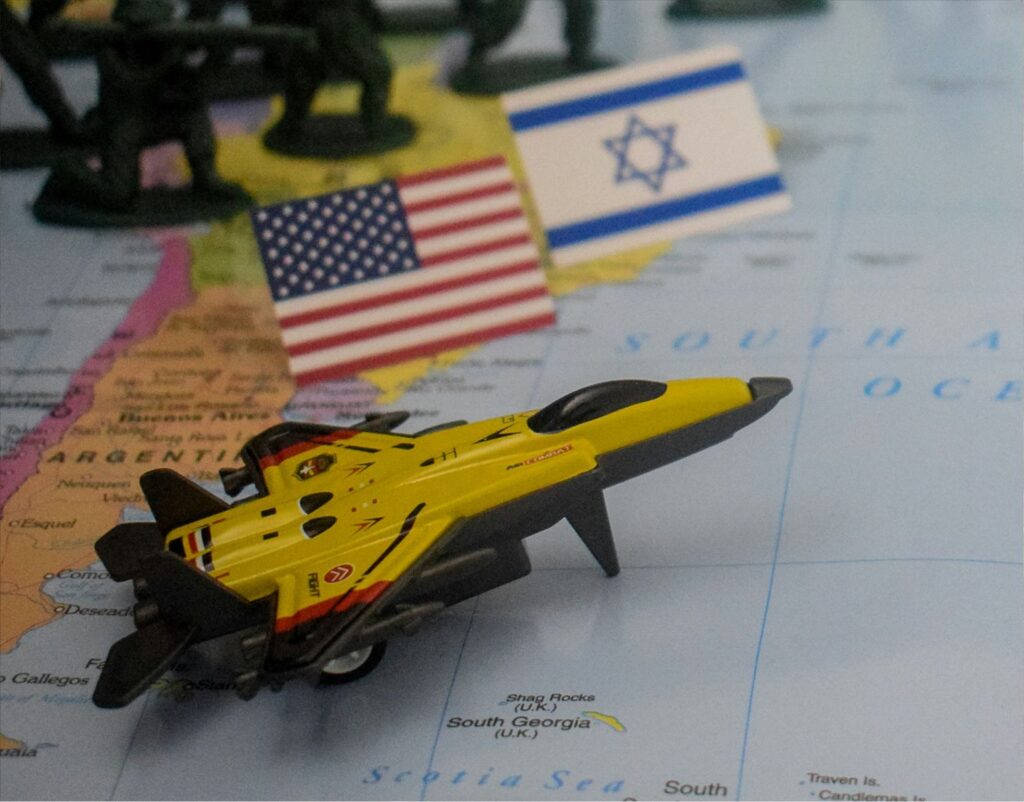
The changing nature of global threats has expanded the scope of defense partnerships. Modern challenges include not only military conflicts but also issues such as climate change, energy security, supply chain disruptions, and emerging technologies. As a result, defense cooperation increasingly involves multiple sectors and requires collaboration among governments, industries, researchers, and international institutions.
However, global defense partnerships also face challenges. Differences in national priorities, political relationships, regulations, and resource availability can affect cooperation. Maintaining transparency, communication, and mutual trust is essential for successful partnerships. Countries must balance national interests with shared responsibilities when developing long-term defense relationships.
Another important consideration is the role of responsible innovation. As defense technologies become more advanced, countries must focus on ethical development, international cooperation, and responsible use. Maintaining appropriate safeguards helps ensure that technological progress contributes to global stability.
In conclusion, global defense partnerships are essential for addressing the complex security challenges of the modern world. Through cooperation in technology, training, cybersecurity, intelligence, and humanitarian efforts, nations can build stronger and more resilient security systems. The future of global defense will depend on collaboration, trust, and shared commitment toward creating a safer and more stable international environment.