




Consulting has become an essential part of modern business strategy, helping organizations solve complex problems, improve performance, and achieve sustainable growth. As businesses face rapid technological changes, market competition, and evolving customer expectations, consultants rely on advanced tools and resources to analyze situations, develop strategies, and deliver effective solutions. Consulting tools and resources provide structured approaches that help professionals make informed decisions and create measurable improvements.
Consulting tools are methods, frameworks, and technologies that assist consultants in understanding business challenges and developing solutions. These tools support various areas such as business strategy, operations, finance, marketing, human resources, technology, and organizational development. By using the right tools, consultants can transform complex information into actionable insights.
One of the most widely used consulting tools is SWOT analysis. This framework helps organizations identify their strengths, weaknesses, opportunities, and threats. Consultants use SWOT analysis to evaluate internal capabilities and external market conditions. It provides a clear overview of a business situation and helps leaders develop strategies based on realistic assessments.
Another important tool is market research and data analytics. Modern consulting relies heavily on data to understand customer behavior, industry trends, and competitive landscapes. Data analytics platforms help consultants identify patterns, predict future trends, and support evidence-based decision-making. With the growth of Artificial Intelligence (AI), consultants can analyze large volumes of information faster and generate deeper insights.
Business process analysis tools are also valuable resources for consultants. These tools help examine existing workflows, identify inefficiencies, and recommend improvements. Process mapping, workflow analysis, and performance measurement techniques allow organizations to optimize operations, reduce costs, and increase productivity.
Financial analysis tools play a major role in consulting projects. Consultants use financial models, budgeting tools, and performance metrics to evaluate business health and investment opportunities. These resources help organizations understand profitability, manage risks, and make better financial decisions.
Project management tools have become essential for consulting professionals. Consulting projects often involve multiple teams, deadlines, and deliverables. Digital project management platforms help consultants organize tasks, track progress, communicate with stakeholders, and ensure successful project completion. These tools improve collaboration and efficiency.
Technology consulting has expanded significantly with digital transformation. Consultants use technology assessment tools, cybersecurity frameworks, cloud evaluation resources, and digital maturity models to help organizations adopt new technologies. Businesses depend on technology consultants to improve digital capabilities and remain competitive.
Customer-focused consulting uses tools such as customer journey mapping and feedback analysis. Understanding customer experiences helps organizations improve products, services, and interactions. Consultants analyze customer needs and identify opportunities to enhance satisfaction and loyalty.
Human resource consulting also depends on specialized tools. Employee engagement surveys, talent assessment methods, and organizational culture analysis help companies improve workforce performance. These resources support better hiring decisions, leadership development, and employee retention strategies.
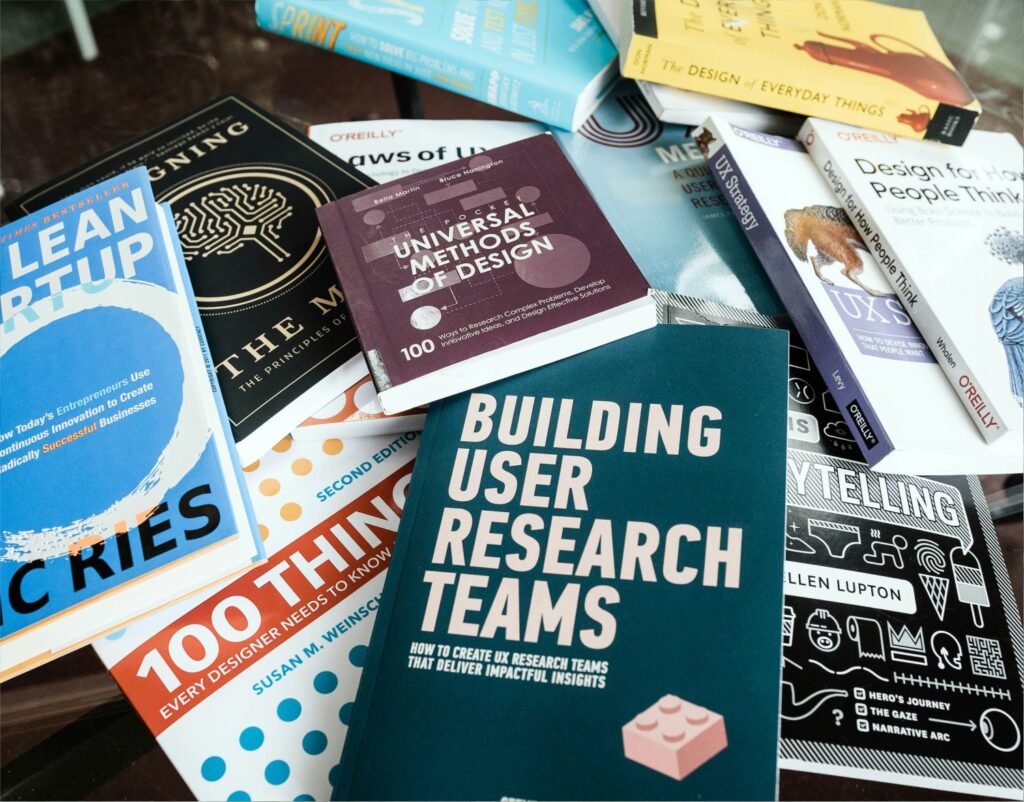
Knowledge resources are another important part of consulting success. Consultants use industry reports, academic research, business publications, case studies, and professional networks to stay updated. Continuous learning allows consultants to provide relevant recommendations based on current market conditions.
Collaboration tools have become increasingly important, especially with the rise of remote work. Virtual meeting platforms, digital workspaces, and cloud-based document sharing systems allow consulting teams to work effectively across locations. These resources improve communication and enable global consulting services.
Artificial Intelligence is transforming the future of consulting tools. AI-powered assistants, automated research platforms, and predictive analytics are helping consultants work faster and provide more accurate recommendations. AI does not replace consulting expertise but enhances the ability to analyze information and generate solutions.
However, choosing the right consulting tools requires careful consideration. Businesses must select resources that match their goals, industry requirements, and available capabilities. Overusing tools without proper strategy can create complexity instead of improvement.
In conclusion, consulting tools and resources are powerful assets that support better business decisions and organizational growth. From strategic frameworks and data analytics to digital technologies and collaboration platforms, these resources help consultants solve problems effectively. As industries continue to evolve, the future of consulting will depend on combining human expertise with innovative tools to create smarter, faster, and more sustainable solutions.