





Fiber optic technology has become a cornerstone of modern digital infrastructure, enabling faster, more reliable, and high-capacity data transmission. As the world becomes increasingly dependent on digital connectivity, the role of fiber optics in supporting this growth is more critical than ever. From powering the internet to supporting advanced technologies, fiber optics is driving the expansion of the digital economy.
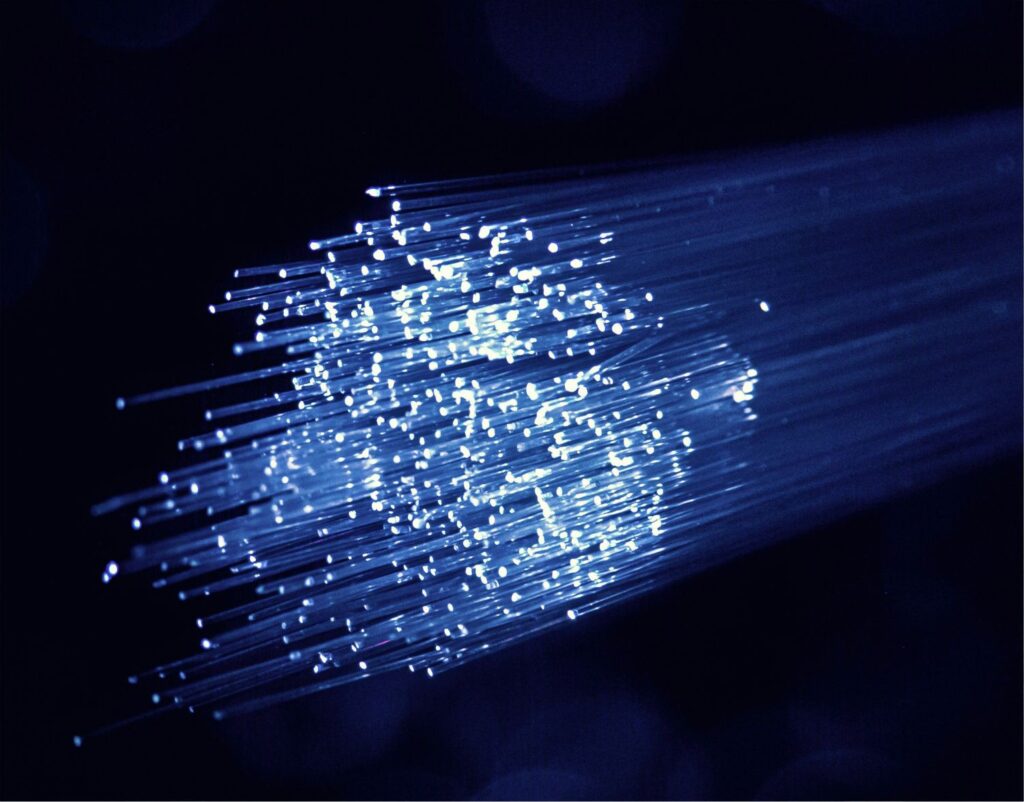
At the heart of this technology is Fiber Optics, which uses light signals to transmit data through thin strands of glass or plastic fibers. Unlike traditional copper cables, fiber optic cables offer significantly higher bandwidth and speed. This allows large volumes of data to be transmitted over long distances with minimal loss, making it ideal for modern communication needs.
One of the most significant contributions of fiber optics is its role in enabling high-speed internet. As businesses and individuals rely more on online platforms for communication, work, and entertainment, the demand for faster internet has increased. Fiber optic networks provide the speed and stability required for activities such as video streaming, cloud computing, and online gaming. This enhanced connectivity supports productivity and improves user experience.
Fiber optics is also essential for the growth of emerging technologies. Innovations such as 5G networks, the Internet of Things (IoT), and artificial intelligence require robust and high-speed data infrastructure. Fiber optic networks act as the backbone for these technologies, ensuring seamless data flow and real-time communication. Without fiber optics, the efficiency and performance of these advanced systems would be significantly limited.
In the business sector, fiber optics is driving digital transformation. Companies are adopting digital tools, cloud services, and data analytics to improve operations and customer engagement. Reliable and fast connectivity is crucial for these processes, and fiber optic networks provide the necessary support. This enables businesses to operate more efficiently and compete in a global market.
The expansion of fiber optic networks is also playing a key role in bridging the digital divide. In many regions, access to high-speed internet remains limited, particularly in rural and remote areas. Governments and private organizations are investing in fiber infrastructure to extend connectivity to underserved communities. In countries like India, initiatives to expand fiber networks are helping improve access to education, healthcare, and economic opportunities.
Another important advantage of fiber optics is its reliability and durability. Fiber cables are less susceptible to interference, weather conditions, and signal degradation compared to traditional cables. This ensures consistent performance and reduces maintenance costs over time. As a result, fiber optics is considered a long-term solution for digital infrastructure.
Despite its benefits, the deployment of fiber optic networks comes with challenges. High installation costs, complex infrastructure requirements, and the need for skilled labor can slow down expansion. However, ongoing investments and technological advancements are helping overcome these barriers.
In conclusion, fiber optics plays a vital role in driving digital growth by providing the speed, capacity, and reliability needed for modern connectivity. As the demand for data continues to rise, fiber optic technology will remain a key enabler of innovation and economic development. By supporting advanced technologies and expanding access, fiber optics is shaping the future of a connected world.