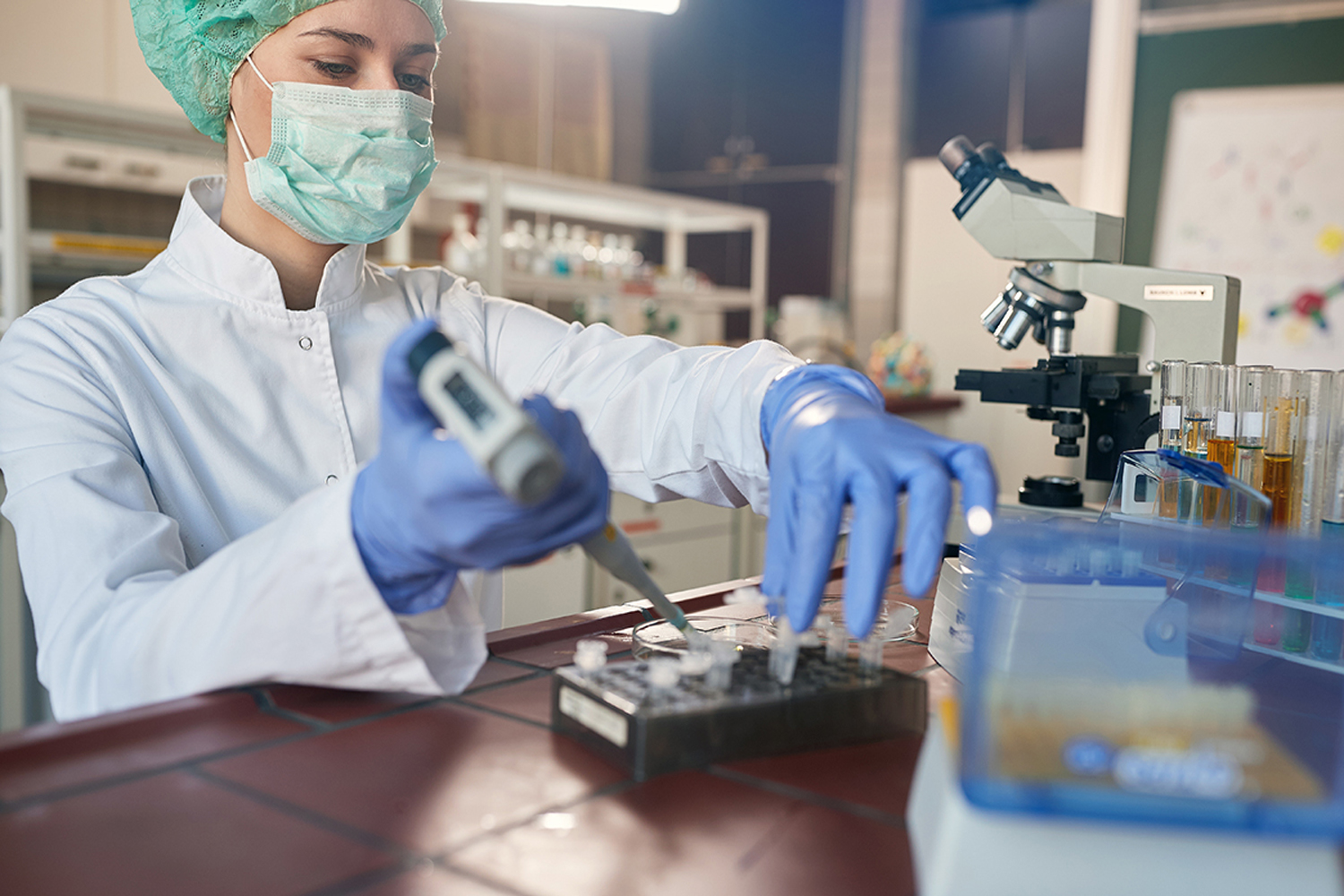








Biotechnology is playing a transformative role in modern healthcare, particularly in the area of disease prevention. By combining biology with advanced technology, biotechnology is enabling early detection, improved immunity, and innovative preventive strategies. As global health challenges continue to evolve, biotech solutions are becoming essential in reducing the burden of diseases and improving quality of life.
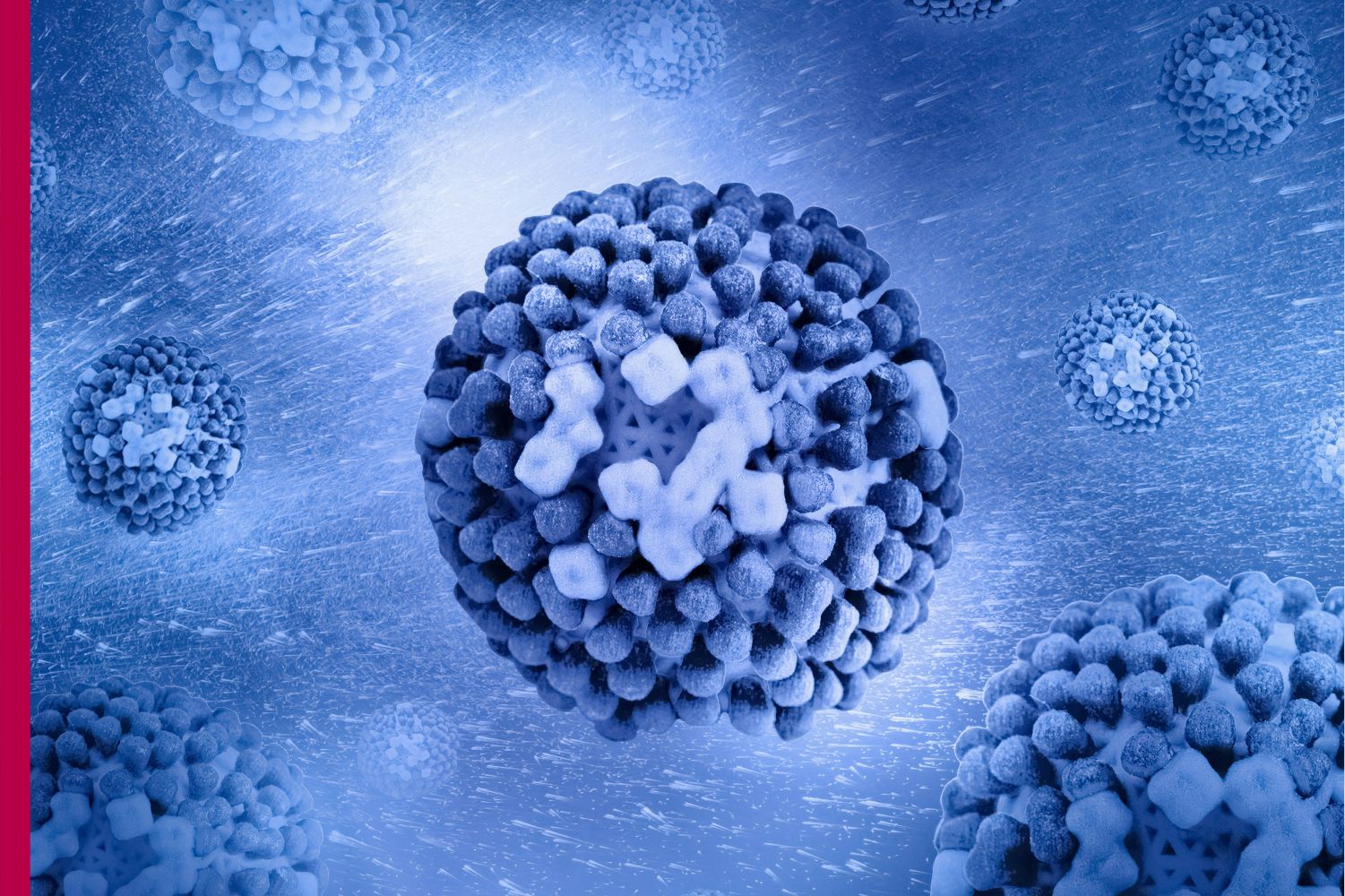
One of the most significant contributions of biotechnology to disease prevention is the development of advanced vaccines. Traditional vaccines have long been effective in controlling infectious diseases, but modern biotech innovations have taken this a step further. Technologies such as recombinant DNA and mRNA-based vaccines allow for faster development and higher precision. These advancements make it possible to respond quickly to emerging health threats and prevent widespread outbreaks.
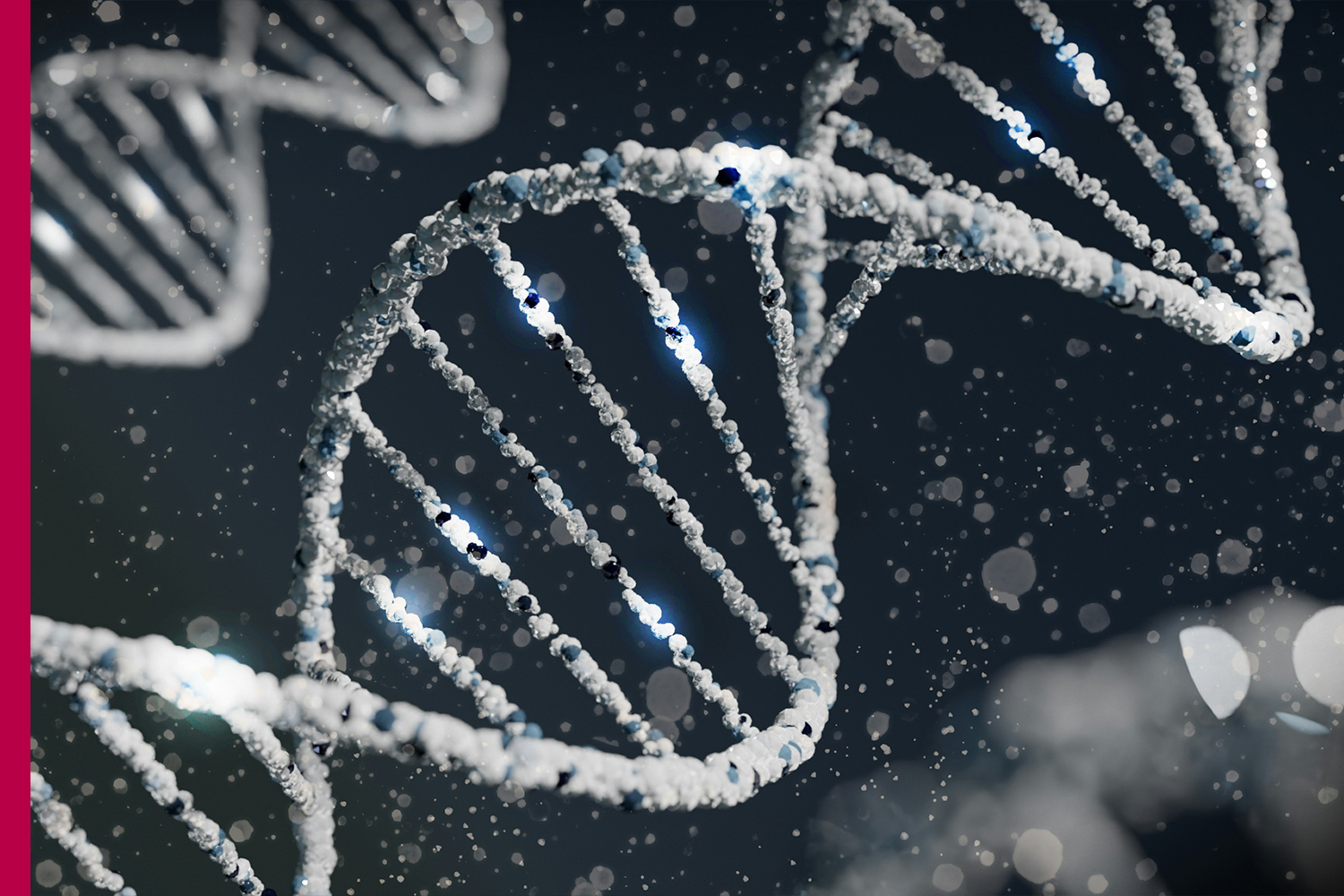
Genetic screening is another important application of biotechnology in prevention. By analyzing an individual’s genetic makeup, scientists can identify potential risks for certain diseases before symptoms appear. This allows for early intervention and personalized preventive measures. For example, individuals with a higher genetic risk for conditions such as diabetes or certain cancers can adopt lifestyle changes or undergo regular screenings to reduce their risk.
Biotechnology is also enhancing diagnostic tools, making them faster and more accurate. Early detection is a key factor in preventing the progression of diseases. Advanced diagnostic techniques, including molecular testing and biomarker analysis, help identify diseases at an early stage. This enables timely treatment and reduces the chances of complications.
The role of biotechnology in improving immunity is another crucial aspect of disease prevention. Research in immunology has led to the development of therapies that strengthen the body’s natural defense system. Probiotics, immunomodulators, and targeted therapies are being used to enhance immune responses and protect against infections. These innovations are particularly valuable in managing chronic and infectious diseases.
In agriculture and food production, biotechnology is contributing to disease prevention by ensuring safer and more nutritious food. Genetically modified crops can be designed to resist pests and diseases, reducing the need for harmful chemicals. Additionally, biofortified foods enriched with essential nutrients help prevent deficiencies and related health issues.
Despite its many benefits, the use of biotechnology in disease prevention also raises certain challenges. Ethical concerns, regulatory requirements, and high research costs can impact the development and adoption of biotech solutions. Public awareness and acceptance are also important factors in ensuring successful implementation.
Collaboration between governments, research institutions, and private companies is essential for advancing biotechnology. Investment in research and development, along with supportive policies, can accelerate innovation and make preventive solutions more widely available.
In conclusion, biotechnology is revolutionizing disease prevention by offering innovative tools and approaches to protect human health. From advanced vaccines and genetic screening to improved diagnostics and immunity, biotech is shaping a proactive approach to healthcare. As technology continues to evolve, biotechnology will play an increasingly vital role in creating a healthier and more resilient global population.