


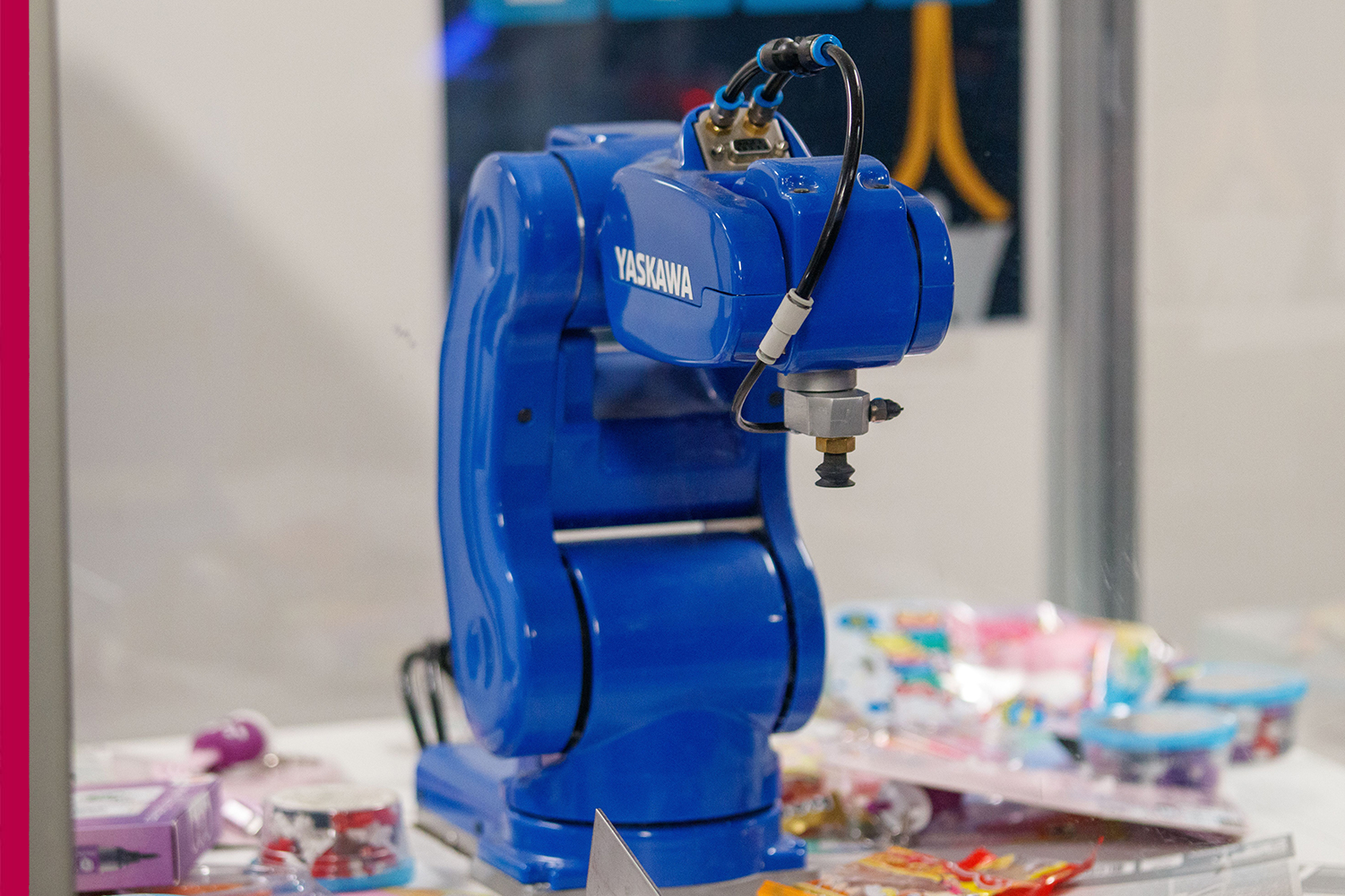
Industrial automation is moving beyond the familiar image of robotic arms repeating the same movement on a factory production line. The next generation of industrial machines is expected to handle more complicated tasks, respond to changing environments and work alongside people with greater flexibility.
Recent developments in November 2026 demonstrate how quickly this transition is progressing. On November 23, German robotics specialist SCHUNK launched TACTILIA Robotics, a new initiative centred on dexterous robotic hands. The company is betting that more capable robotic manipulation will unlock applications that conventional industrial grippers cannot easily perform.
At the same time, General Motors is planning a significant expansion of robotics and automation in its factories. Engineering.com reported on November 24 that the automaker intends to make a major increase in factory automation by 2028. These developments illustrate a broader shift: manufacturers are investing not simply in more robots, but in machines that can perform a wider range of tasks.
Why robotic hands matter
Traditional industrial robots are highly effective when a task is repetitive and predictable. They can weld, paint, lift, position and assemble components with remarkable accuracy. However, many real-world tasks require something more complicated: handling objects of different shapes, adjusting grip strength, manipulating flexible materials and responding to unexpected conditions.
Human hands are exceptionally versatile. Replicating that versatility has been one of robotics’ most persistent challenges.
SCHUNK’s TACTILIA initiative reflects the growing interest in advanced robotic manipulation. More capable hands could help robots handle delicate components, operate tools, sort mixed objects and perform tasks that currently require human dexterity.
The opportunity extends beyond manufacturing. Warehouses, laboratories, healthcare facilities and logistics centres all contain tasks involving objects that are difficult to handle using conventional automation.
However, dexterity alone is not enough. Robots must also perceive their surroundings, understand the task and make reliable decisions. This is where artificial intelligence and physical robotics are increasingly converging.
Physical AI is changing industrial automation
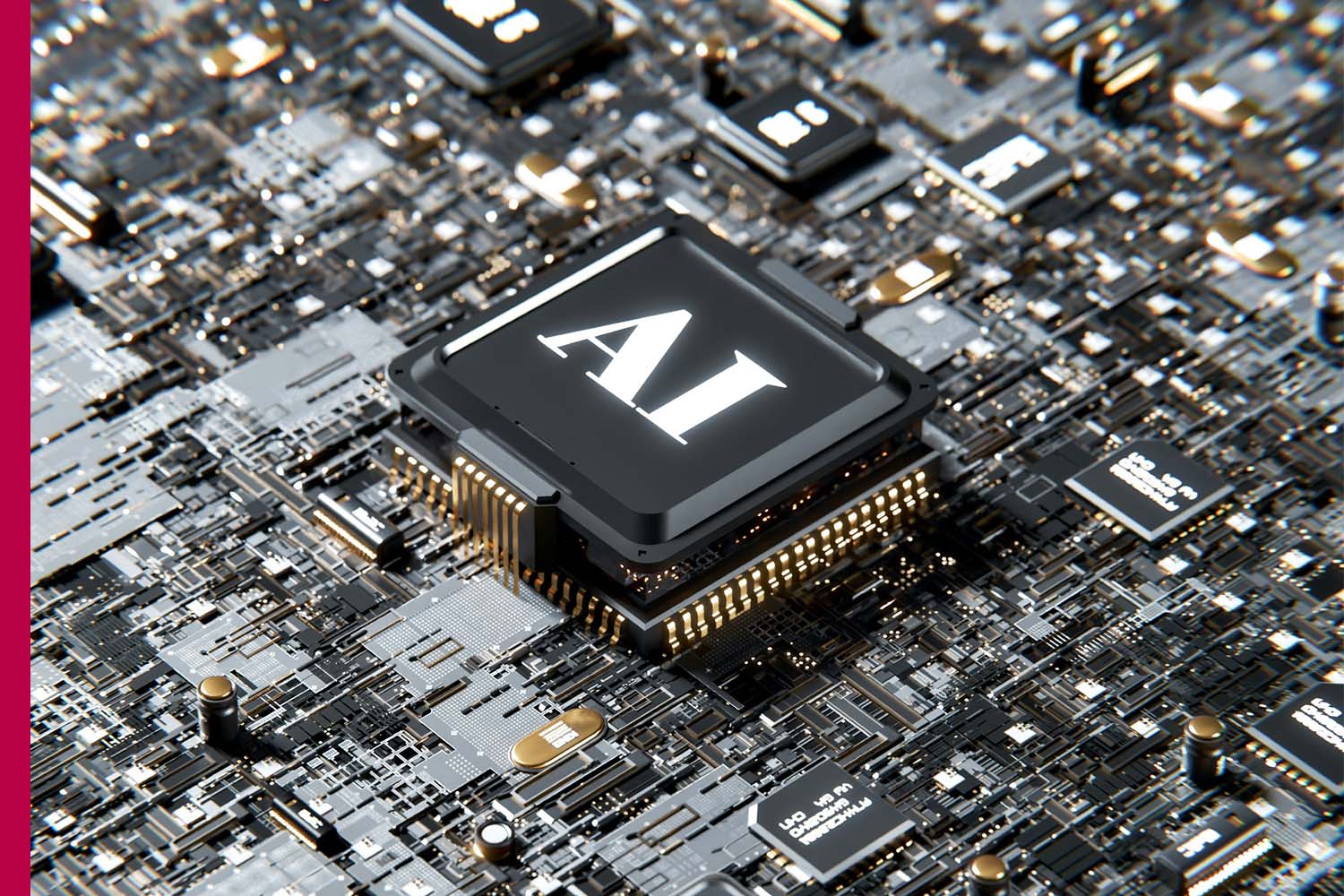
AI systems are becoming more capable of interpreting images, language and complex instructions. Robotics developers are attempting to connect these capabilities to machines that interact with the physical world.
This emerging area, often described as physical AI, could make robots more adaptable. Instead of programming every movement individually, engineers may be able to train systems using demonstrations, simulations and large collections of operational data.
A robot could potentially identify an unfamiliar object, determine how to pick it up and adjust its movements when the object shifts. Such capabilities would be valuable in factories where products, components and production requirements change frequently.
Nevertheless, industrial environments demand reliability. A system that performs impressively in a demonstration must also operate safely across thousands of working hours. Businesses need predictable cycle times, maintenance support and clear productivity benefits before committing to large deployments.
Automotive manufacturing is becoming a major testing ground
Automotive factories have long been among the world’s most automated industrial environments. They provide a natural setting for testing robotic systems because production involves large volumes, repeated operations and strict quality requirements.
General Motors’ reported plans to increase its use of robots and other automation technology reflect the industry’s continued investment in manufacturing efficiency.
The expansion of automation is also connected to the changing structure of vehicle production. Electric vehicles require different components and manufacturing processes from conventional combustion-engine vehicles. Battery systems, power electronics and software-intensive production introduce new requirements.
Manufacturers must therefore modernise their production lines while maintaining the ability to build different models and respond to market changes.
Robots can help improve consistency and reduce physically demanding work. But integrating them into older facilities can be difficult, especially when equipment, software and production systems were designed at different times.
The challenge of integrating robots into existing factories
One of the biggest barriers to automation is not purchasing a robot. It is making that robot work within an entire industrial operation.
Factories rely on production software, sensors, safety systems, inventory platforms and equipment from multiple suppliers. If these systems cannot communicate effectively, automation can create new operational problems.
Interoperability is becoming increasingly important. Manufacturers want robots from different vendors to work together without requiring expensive, highly customised integration every time a new machine is installed.
Common standards, industrial software platforms and more accessible programming tools could help reduce this complexity.
For smaller manufacturers, flexible automation may be especially important. Large corporations can invest in extensive robotic systems, but smaller businesses need solutions that are affordable, easy to configure and suitable for changing production volumes.
Will automation replace industrial workers?
The expansion of robotics inevitably raises concerns about employment. Some repetitive and physically demanding tasks may increasingly be performed by machines. However, automation also creates demand for technicians, robot programmers, systems integrators, maintenance specialists and industrial data professionals.
The workforce challenge will be ensuring that employees can transition into new roles. Training programmes must become part of automation strategies rather than an afterthought.
Companies that introduce technology without preparing their workforce may face resistance and operational difficulties. Those that combine automation with employee development may achieve better long-term results.
The next industrial advantage will be adaptability
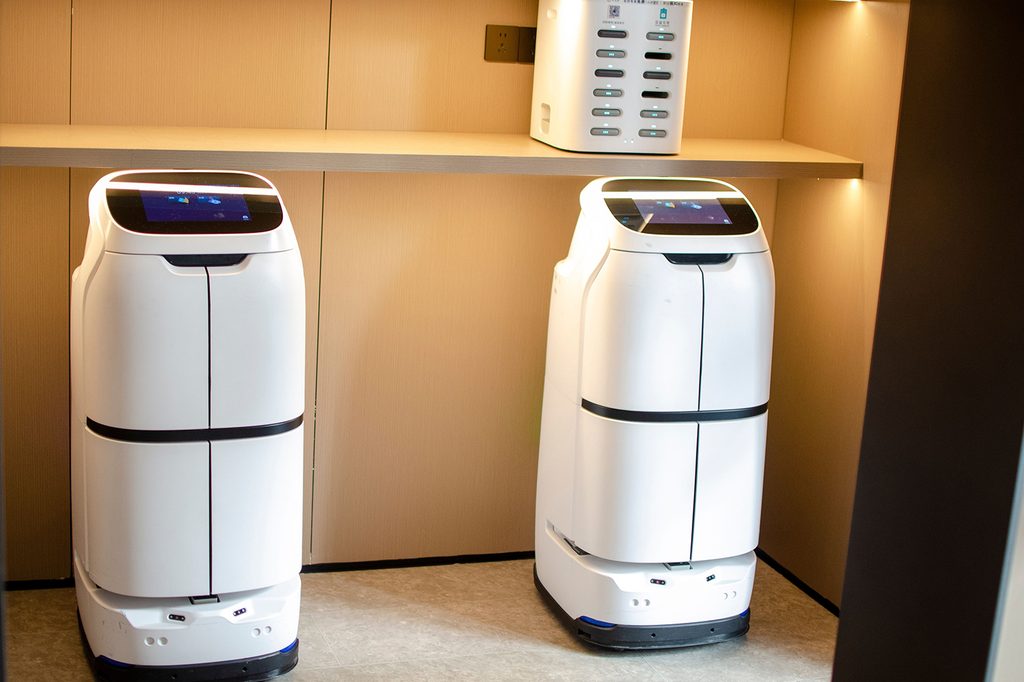
The future of automation will not be determined only by how many robots a factory owns. It will depend on how intelligently those robots can respond to changing tasks, materials and production conditions.
Dexterous robotic hands, AI-driven control systems and more flexible industrial platforms point towards a new generation of machines. Their success will depend on safety, reliability, cost and measurable productivity.
The industrial robot is evolving from a programmed machine into a more adaptable production partner. That transition could reshape factories, warehouses and service industries over the coming decade.
The next automation revolution may not be about replacing every human movement. It may be about giving machines the ability to perform tasks that were previously too complex to automate.