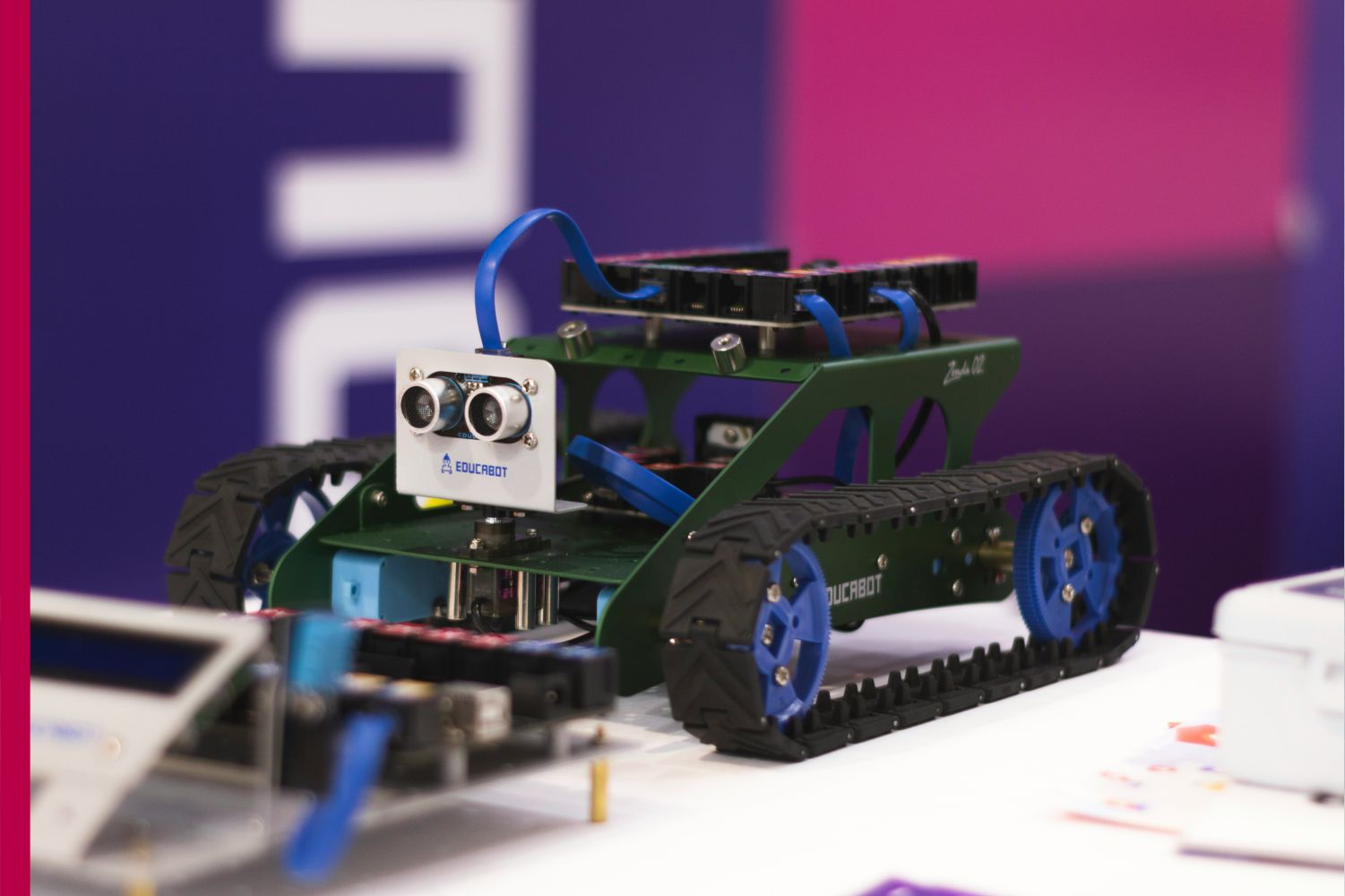




Robotics is no longer confined to high-tech laboratories or large-scale manufacturing plants; it has become an integral part of everyday business operations across various industries. From retail and logistics to healthcare and hospitality, robots are helping organizations streamline processes, reduce costs, and improve service quality. As technology continues to advance, the adoption of robotics is reshaping how businesses operate in a fast-paced and competitive environment.
One of the most prominent uses of robotics is in automating repetitive and time-consuming tasks. In industries such as manufacturing and warehousing, robots are used for assembly, packaging, sorting, and inventory management. These machines can work continuously with high precision, significantly increasing productivity while reducing human error. By handling routine tasks, robots allow employees to focus on more complex and strategic activities that require creativity and decision-making.
In the logistics sector, robotics plays a crucial role in optimizing supply chain operations. Automated guided vehicles (AGVs) and robotic arms are used to move goods within warehouses, improving efficiency and reducing handling time. Advanced systems equipped with sensors and artificial intelligence can analyze data in real time to optimize routes and manage inventory more effectively. This results in faster order fulfillment and enhanced customer satisfaction.
Retail businesses are also leveraging robotics to improve customer experience and operational efficiency. Robots are being used for shelf scanning, restocking, and even customer assistance in stores. These technologies help ensure that products are always available and accurately priced, while also providing valuable insights into consumer behavior. In addition, self-checkout systems and automated payment solutions reduce waiting times and enhance convenience for shoppers.
In the service industry, robotics is transforming how businesses interact with customers. Hotels, restaurants, and healthcare facilities are increasingly using robots for tasks such as room service delivery, cleaning, and patient assistance. These applications not only improve efficiency but also enhance hygiene and safety, especially in environments where minimizing human contact is important.
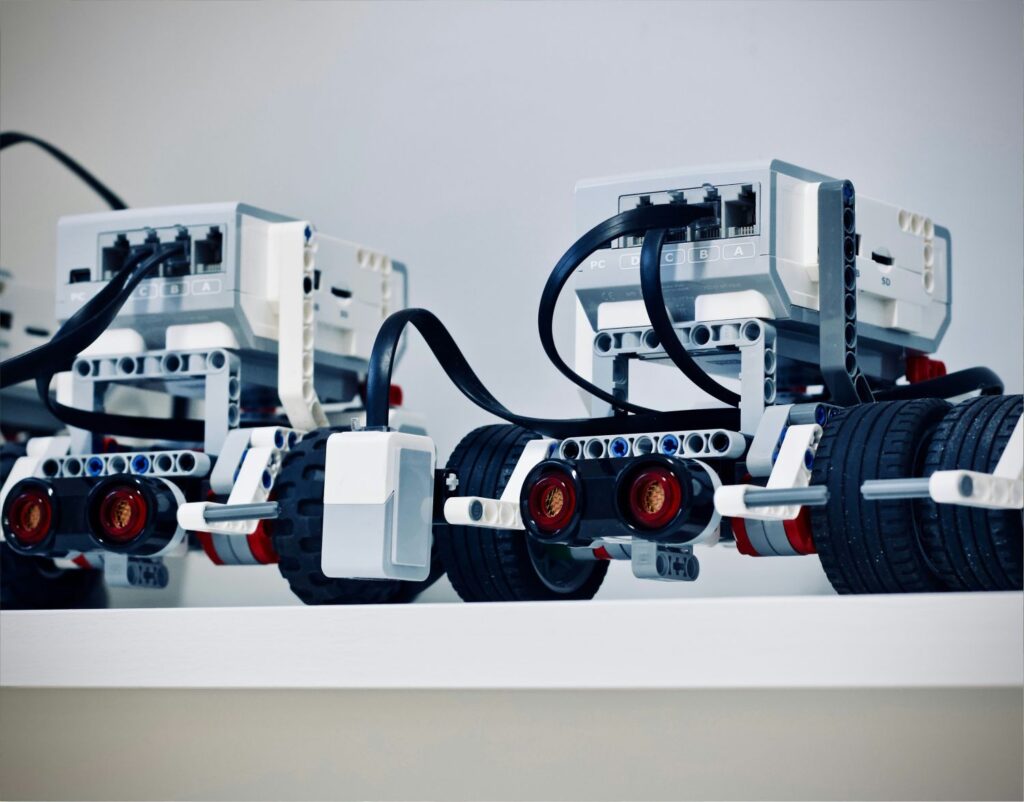
Another significant advantage of robotics in business operations is cost efficiency. While the initial investment in robotic systems can be high, the long-term savings are substantial. Robots reduce labor costs, minimize errors, and improve resource utilization. They also contribute to workplace safety by taking over hazardous tasks, reducing the risk of accidents and injuries.
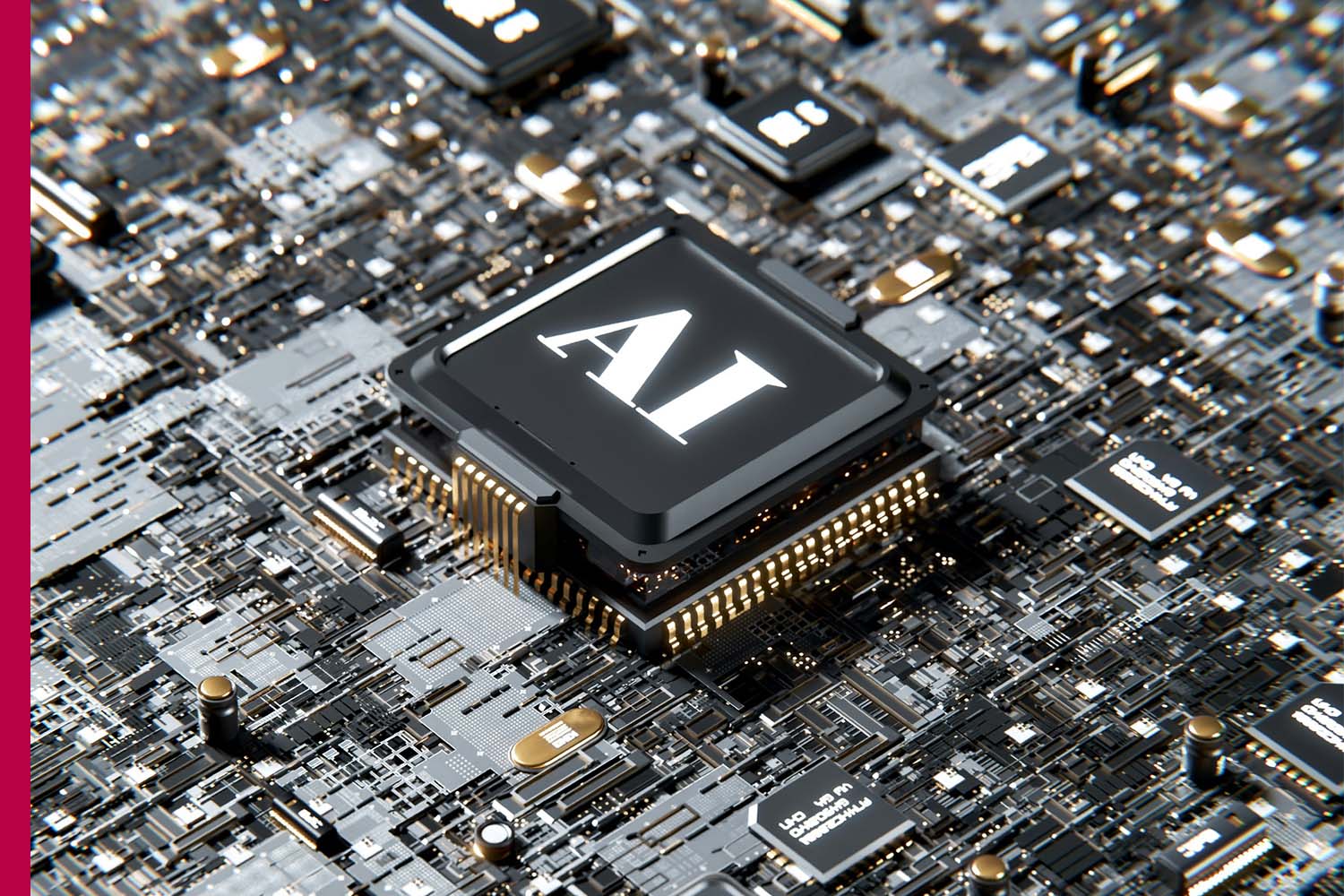
The integration of robotics with other technologies such as artificial intelligence and data analytics further enhances their capabilities. Smart robots can learn from data, adapt to changing conditions, and make autonomous decisions. This level of intelligence enables businesses to respond quickly to market demands and operational challenges.
However, the adoption of robotics also presents certain challenges. Concerns about job displacement, high implementation costs, and the need for skilled personnel to manage and maintain robotic systems must be addressed. Businesses need to invest in employee training and adopt a balanced approach that combines automation with human expertise.
In conclusion, robotics is playing a transformative role in everyday business operations by improving efficiency, reducing costs, and enhancing service quality. As technology continues to evolve, robots will become even more versatile and accessible, enabling businesses of all sizes to benefit from automation and innovation.