






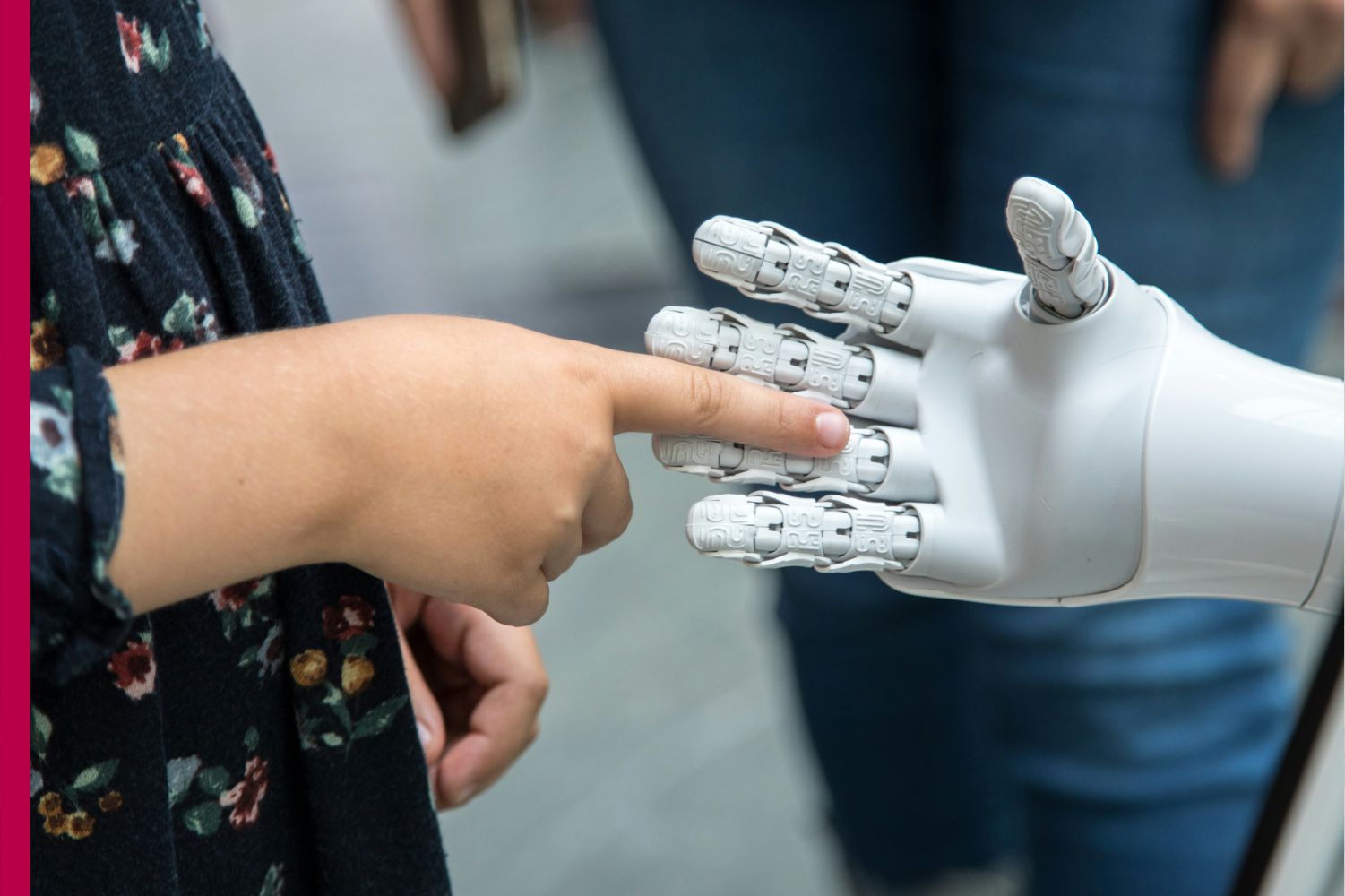
The relationship between humans and machines is evolving rapidly, transforming industries, workplaces, and everyday life. Human-machine collaboration refers to the partnership between people and advanced technologies such as artificial intelligence, robotics, automation systems, and smart devices. Rather than replacing humans entirely, modern technology is increasingly designed to work alongside people, improving efficiency, creativity, and decision-making. The future of this collaboration is expected to redefine how businesses operate and how society functions.
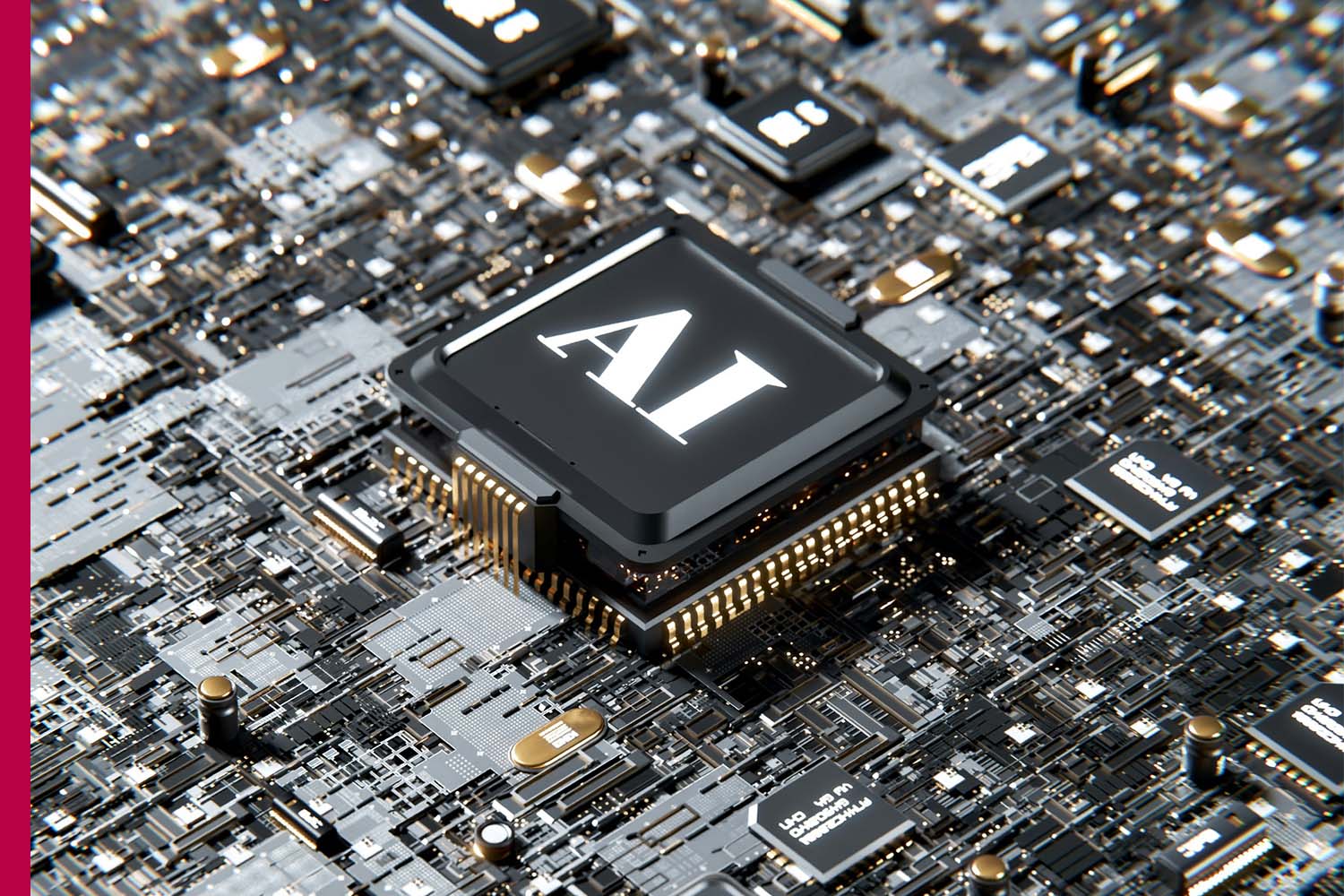
One of the key drivers of human-machine collaboration is the advancement of Artificial Intelligence. AI-powered systems can analyze large amounts of data, recognize patterns, and automate repetitive tasks with remarkable speed and accuracy. Humans, on the other hand, contribute creativity, emotional intelligence, critical thinking, and ethical judgment. Together, this combination creates more efficient and intelligent working environments.
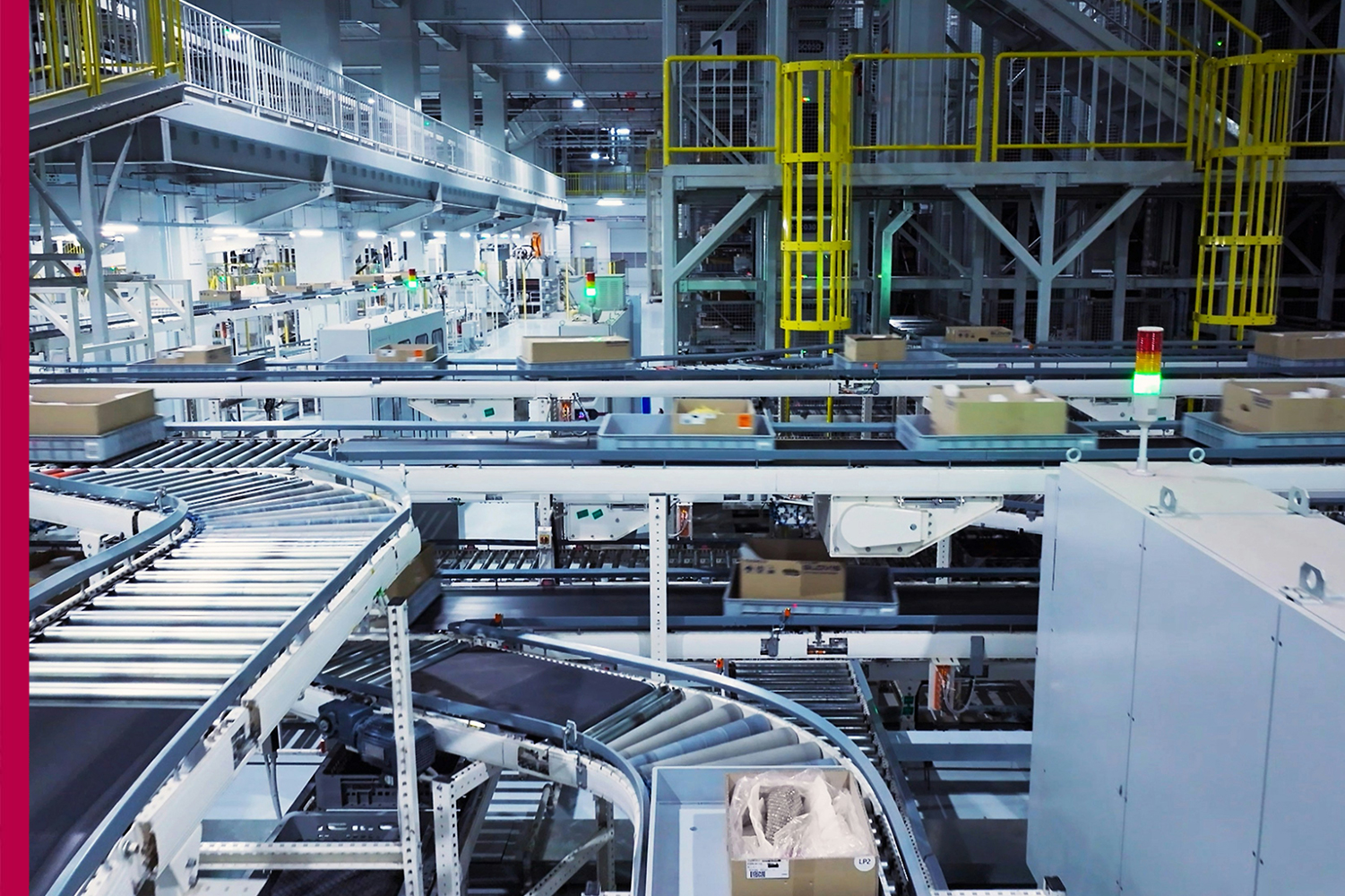
Automation is already transforming industries such as manufacturing, healthcare, logistics, and finance. In factories, collaborative robots known as cobots work alongside employees to improve production efficiency and reduce physical strain. These machines handle repetitive or dangerous tasks, allowing workers to focus on more strategic and creative responsibilities.
In healthcare, human-machine collaboration is improving diagnosis, treatment planning, and patient care. AI systems can analyze medical images, detect diseases, and assist doctors in making faster and more accurate decisions. However, human expertise remains essential for empathy, ethical decision-making, and patient communication.
The rise of the Internet of Things is also strengthening collaboration between humans and machines. Smart devices connected through IoT networks can collect and share real-time data, helping people make informed decisions in areas such as transportation, agriculture, energy management, and smart cities.
In India, human-machine collaboration is gaining momentum across industries. Businesses are increasingly adopting AI, robotics, and automation to improve productivity and compete in global markets. The growth of digital infrastructure and technology-driven startups is creating new opportunities for innovation and employment.
One of the biggest advantages of human-machine collaboration is increased productivity. Machines can perform repetitive tasks continuously and with high precision, reducing errors and saving time. Employees can then focus on innovation, customer interaction, and problem-solving. This collaboration enhances overall efficiency without eliminating the importance of human involvement.
Education and workforce development are becoming increasingly important in this changing landscape. As machines take over routine tasks, demand is growing for skills such as data analysis, programming, creativity, communication, and leadership. Continuous learning and digital literacy will be essential for adapting to future workplaces.
Human-machine collaboration is also reshaping creative industries. AI tools are being used in graphic design, music production, content creation, and filmmaking. Rather than replacing creativity, these technologies assist creators by generating ideas, improving workflows, and enhancing productivity.
Despite its benefits, the future of human-machine collaboration presents several challenges. Concerns about job displacement, privacy, cybersecurity, and ethical AI usage remain significant. Businesses and governments must ensure that technological advancements are implemented responsibly and inclusively.
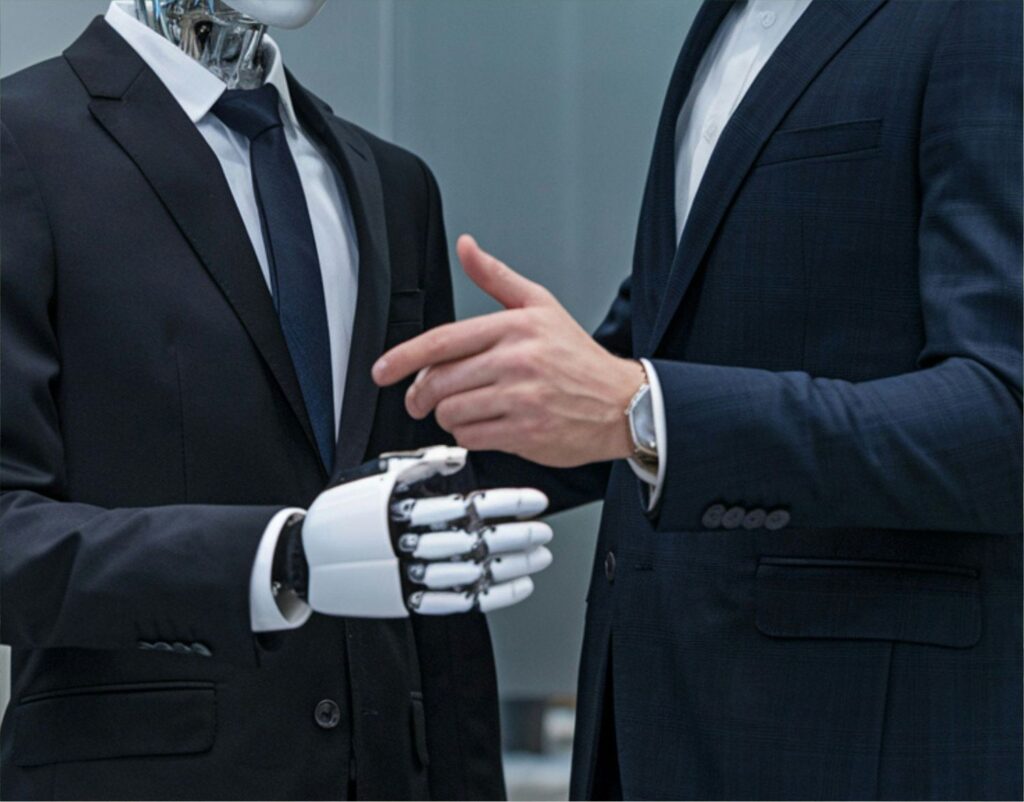
Trust is another important factor. People are more likely to embrace technology when systems are transparent, reliable, and secure. Ethical guidelines and regulations will play a crucial role in ensuring that machines are used fairly and responsibly.
Another emerging trend is the development of personalized AI assistants and smart workplace systems. These technologies can support employees by scheduling tasks, analyzing data, and improving collaboration across teams. Hybrid workplaces powered by intelligent systems are expected to become more common in the future.
Looking ahead, the future of human-machine collaboration will likely focus on partnership rather than replacement. Machines will continue to handle data-intensive and repetitive work, while humans provide innovation, emotional intelligence, and strategic thinking. This balanced relationship has the potential to improve productivity, creativity, and quality of life.
In conclusion, human-machine collaboration is shaping the future of industries and society by combining technological power with human capabilities. Through AI, robotics, automation, and smart systems, people and machines can work together to solve complex problems and drive innovation. As technology continues to advance, successful collaboration between humans and machines will become a defining factor of economic growth and global progress.