



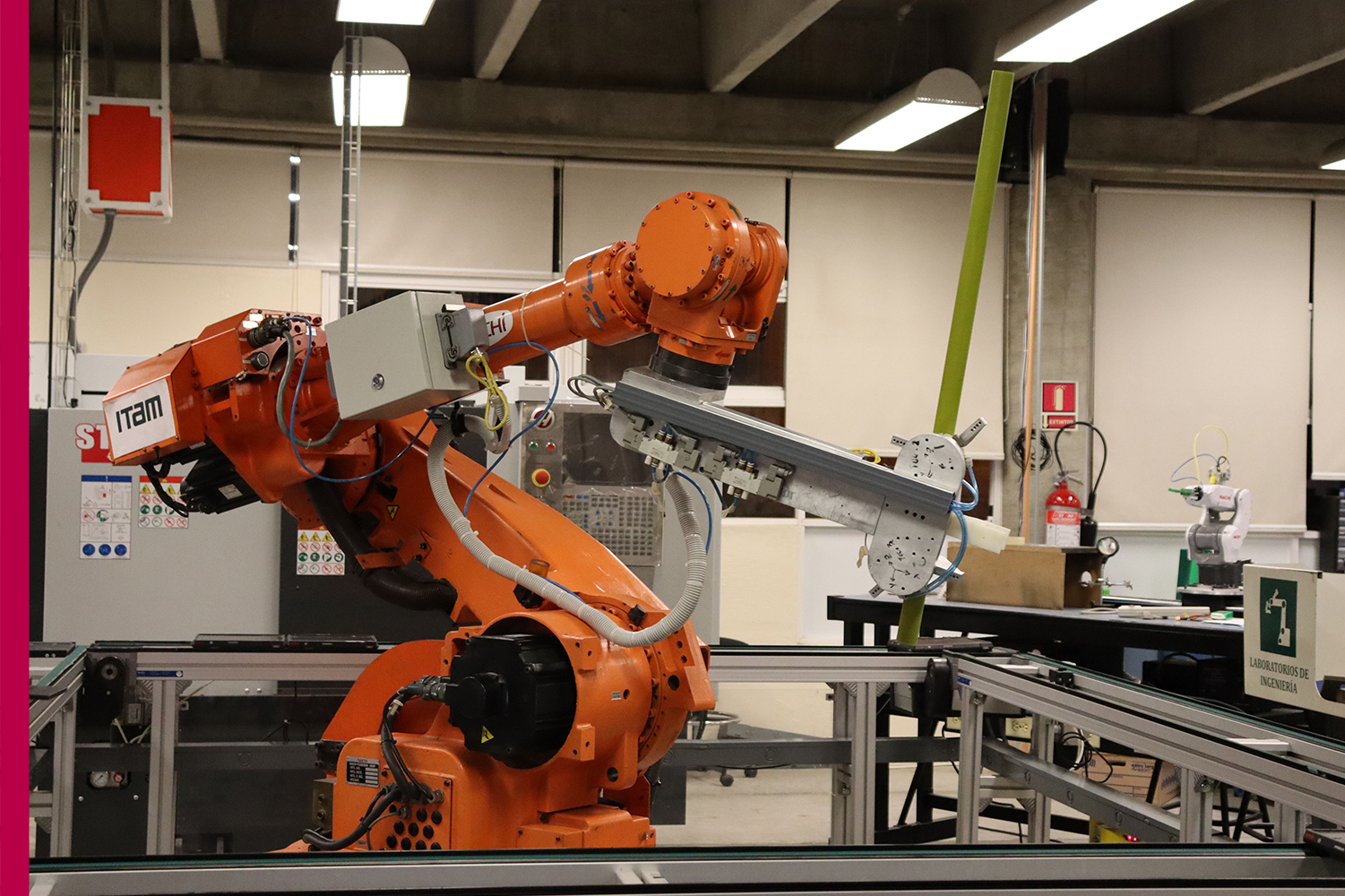
Factories around the world are entering a new stage of industrial transformation. Robots are no longer limited to repetitive assembly tasks in large automotive plants. They are increasingly being used in electronics manufacturing, logistics, welding, inspection, packaging and other operations that require speed and precision.
The scale of this shift is reflected in the International Federation of Robotics’ World Robotics 2026 report. Released in September, the report found that the number of industrial robots operating in factories worldwide reached a record five million in 2025, representing growth of 9%.
More than 600,000 new industrial robots were installed during the year, an increase of 11%. Asia continued to lead adoption, with China accounting for 59% of global installations.
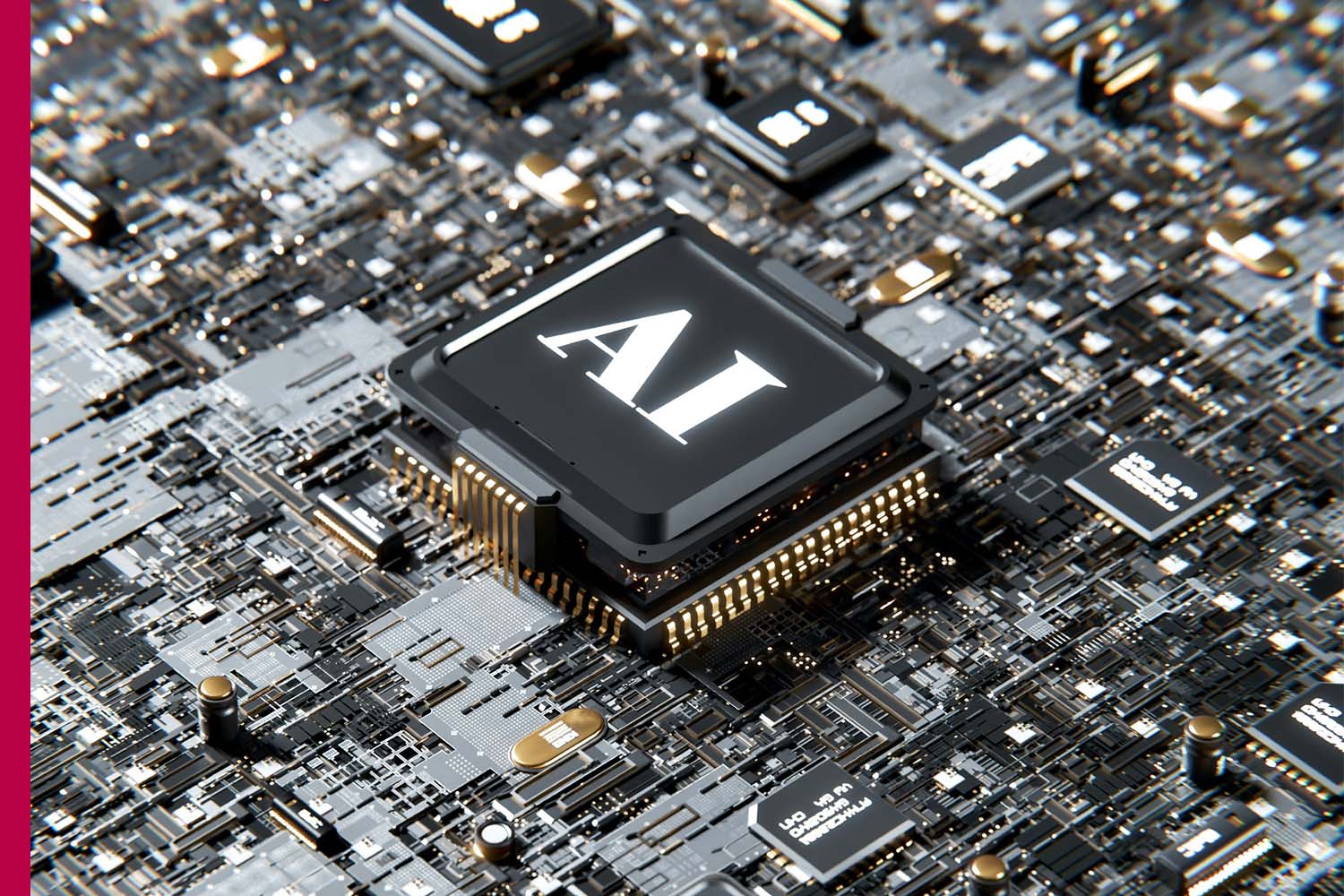
The latest developments suggest that automation is moving beyond traditional robotics. AI is helping machines interpret visual information, adapt to changing conditions and perform tasks that previously required more complex programming.
Recent industry developments illustrate this transition. Industrial robotics coverage in November highlighted work on AI-powered robot systems, humanoid machines and automated factory operations. In one example, NVIDIA unveiled GR00T 2, a robotics AI model designed to help robots understand and act in physical environments.
Such developments are part of a wider movement towards what is often called physical AI: artificial intelligence that interacts with the real world through robots, machines and autonomous systems.
For manufacturers, the benefits can include improved productivity, consistent quality, reduced exposure to hazardous work and better use of factory space. Automation can also help businesses address labour shortages and meet rising production requirements.
However, the transition is not without challenges. Advanced robots can require substantial upfront investment, specialist maintenance and employees with technical skills. Smaller manufacturers may struggle to justify the cost, particularly when production volumes are limited.
The future of factory employment is another important question. Automation may reduce demand for certain repetitive tasks while increasing opportunities in robotics maintenance, programming, systems integration, data analysis and industrial engineering.
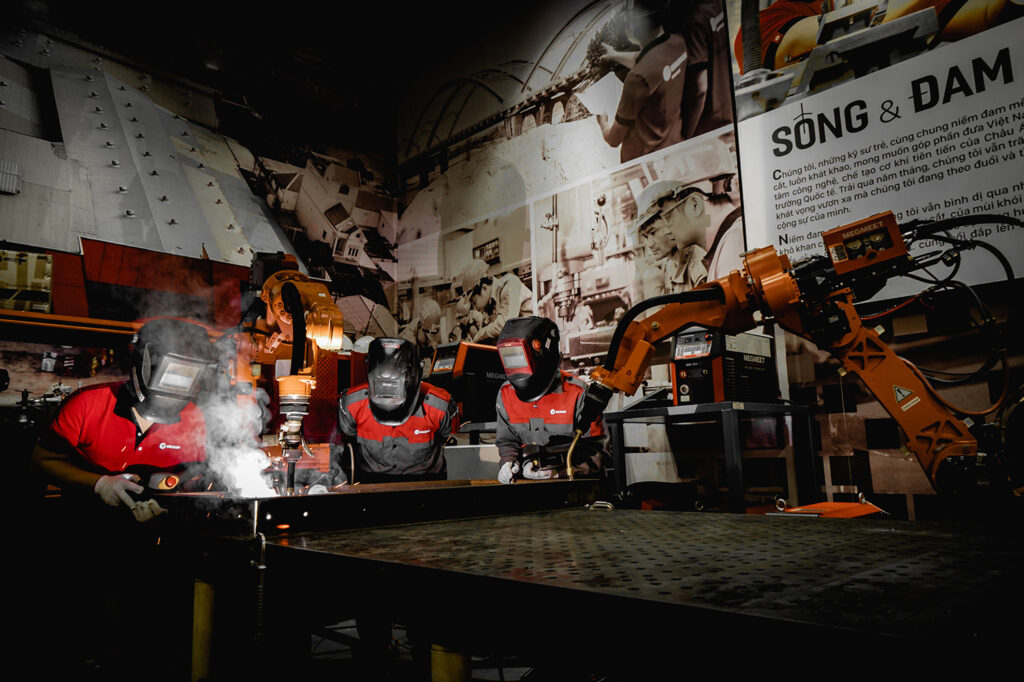
This means workforce development will be essential. Employees will need opportunities to learn how to operate, supervise and maintain increasingly intelligent machines.
The next generation of factories may not be entirely human-free. Instead, they could combine human judgement and creativity with robotic speed, accuracy and endurance.
For businesses, the competitive advantage may come from choosing the right balance between people and machines. For countries, investment in automation could strengthen manufacturing competitiveness and support more advanced industrial ecosystems.
With five million industrial robots already operating worldwide, automation is no longer a distant vision. It is becoming a defining feature of modern manufacturing.