






The retail industry is undergoing a major transformation as automation technologies reshape the way stores operate and customers interact with brands. From automated checkout systems and smart inventory management to artificial intelligence and robotics, automation is helping retailers improve efficiency, reduce costs, and create more personalized shopping experiences. As consumer expectations continue to change, automation has become a key factor in building the retail stores of the future.
Retail automation refers to the use of technology to perform tasks that were traditionally completed manually. These technologies include self-service kiosks, automated payment systems, artificial intelligence (AI), robots, smart shelves, and data-driven management tools. The goal of automation is not only to increase operational efficiency but also to improve customer satisfaction and provide faster, smoother shopping experiences.
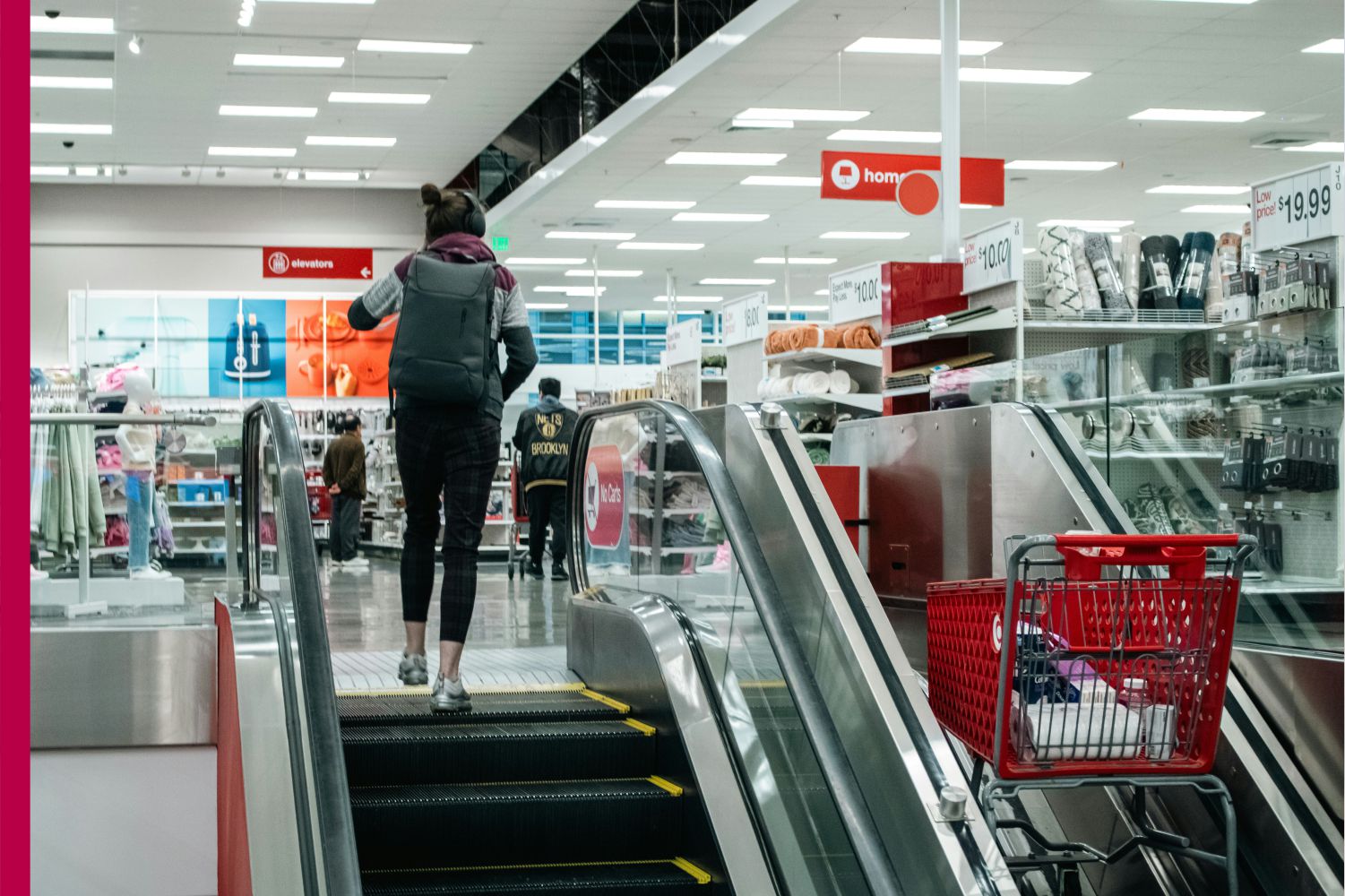
One of the most visible examples of automation in retail stores is self-checkout technology. Self-checkout machines allow customers to scan products, make payments, and complete purchases without waiting for a cashier. This reduces queue times and helps stores manage customer flow more effectively. Many retailers are also adopting contactless payment systems, mobile checkout options, and digital wallets to make transactions faster and more convenient.
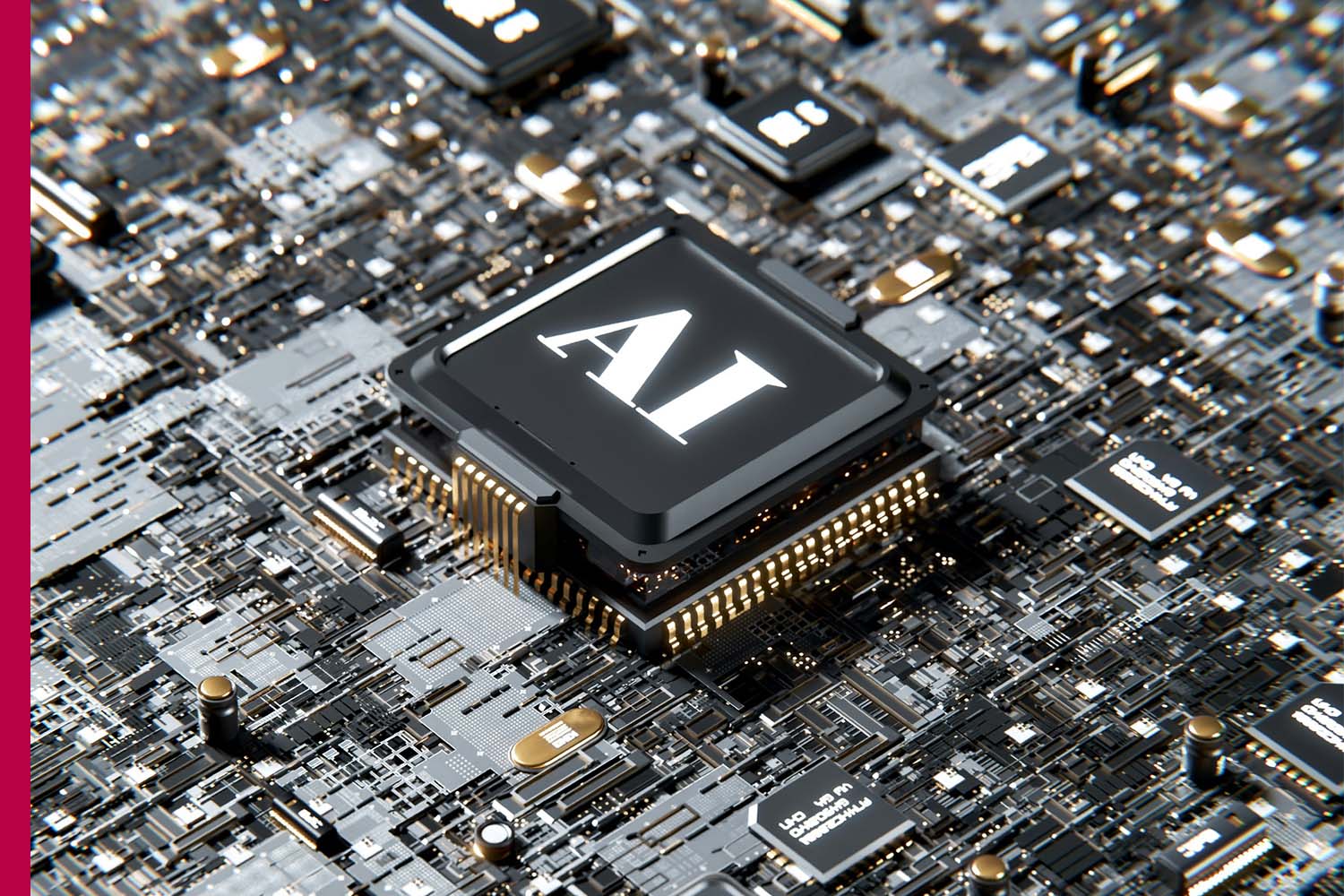
Artificial Intelligence is playing an important role in modern retail automation. AI-powered systems analyze customer behavior, shopping patterns, and product preferences to provide personalized recommendations. These technologies help retailers understand customer needs and offer targeted promotions. AI is also used for demand forecasting, allowing stores to predict which products will be needed and maintain appropriate inventory levels.
Smart inventory management is another major benefit of automation. Traditional inventory tracking methods can be time-consuming and may lead to errors. Automated systems use sensors, RFID technology, and data analytics to monitor stock levels in real time. Retailers can quickly identify when products need to be restocked, reduce shortages, and minimize excess inventory. This improves supply chain efficiency and reduces operational waste.
Robotics is becoming increasingly common in retail environments. Robots can assist with tasks such as shelf scanning, product arrangement, cleaning, and warehouse operations. In large retail stores, robotic systems help employees focus on customer service while machines handle repetitive activities. These technologies improve accuracy and create more efficient store operations.
Automation is also changing the customer experience through smart stores. Smart shelves equipped with sensors can detect product movement and provide real-time information about availability. Digital displays can adjust advertisements based on customer preferences and store conditions. Mobile applications allow customers to locate products, check prices, and receive personalized offers while shopping.
The growth of online and offline retail integration has increased the importance of automation. Many retailers now use automated systems to support omnichannel shopping experiences. Customers can order products online and collect them from stores, track deliveries, or return items through automated processes. These solutions connect physical stores with digital platforms and provide greater flexibility.
Security and fraud prevention are other areas where automation is making an impact. AI-based surveillance systems can monitor store activity, detect unusual behavior, and improve safety. Automated payment monitoring helps identify suspicious transactions and reduces retail losses.
Automation also supports employee productivity. Rather than replacing all human roles, many automated systems assist employees by reducing repetitive tasks. Staff members can spend more time helping customers, managing experiences, and providing personalized service. This combination of technology and human interaction creates a more efficient retail environment.
However, implementing automation comes with challenges. The initial investment in technology can be high, especially for small retailers. Businesses also need skilled employees who can manage and maintain automated systems. Data privacy and cybersecurity are important concerns because automated retail systems collect large amounts of customer and operational information.
The future of retail automation will likely involve more advanced technologies such as artificial intelligence, augmented reality, robotics, and connected devices. Stores may become increasingly intelligent, with systems that understand customer preferences and optimize operations automatically.
In conclusion, automation is transforming retail stores by improving efficiency, enhancing customer experiences, and creating smarter business operations. While technology continues to evolve, the most successful retailers will be those who combine automation with human creativity and customer-focused service. The future of shopping will be defined by a balance between digital innovation and meaningful customer interactions.