



The farm-to-table concept has gained significant popularity in recent years as consumers become more conscious about the origin, quality, and sustainability of their food. At its core, a farm-to-table supply chain focuses on minimizing the distance and intermediaries between food production and consumption. This approach not only ensures fresher produce but also supports local farmers, reduces environmental impact, and promotes transparency in the food system.
A traditional food supply chain often involves multiple intermediaries such as wholesalers, distributors, and retailers. While this system enables large-scale distribution, it can also lead to longer storage times, higher costs, and reduced freshness. In contrast, farm-to-table supply chains aim to shorten this process by connecting farmers directly with consumers, restaurants, or local markets.
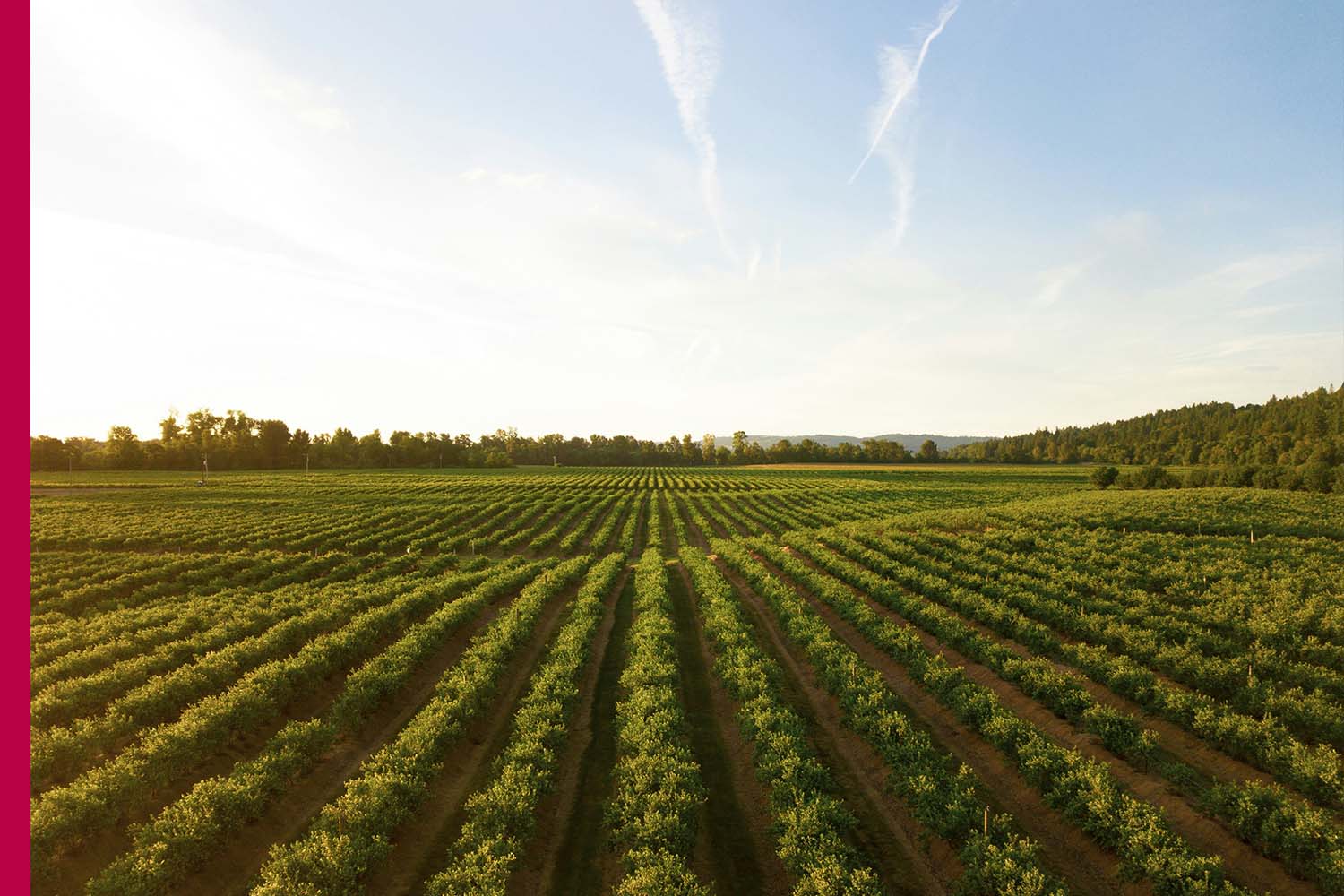
The journey begins at the farm, where crops are grown or livestock is raised. Farmers play a central role in ensuring the quality and sustainability of the produce. Many farm-to-table initiatives emphasize organic farming practices, seasonal produce, and minimal use of chemicals. This not only enhances the nutritional value of food but also supports environmentally friendly agriculture.
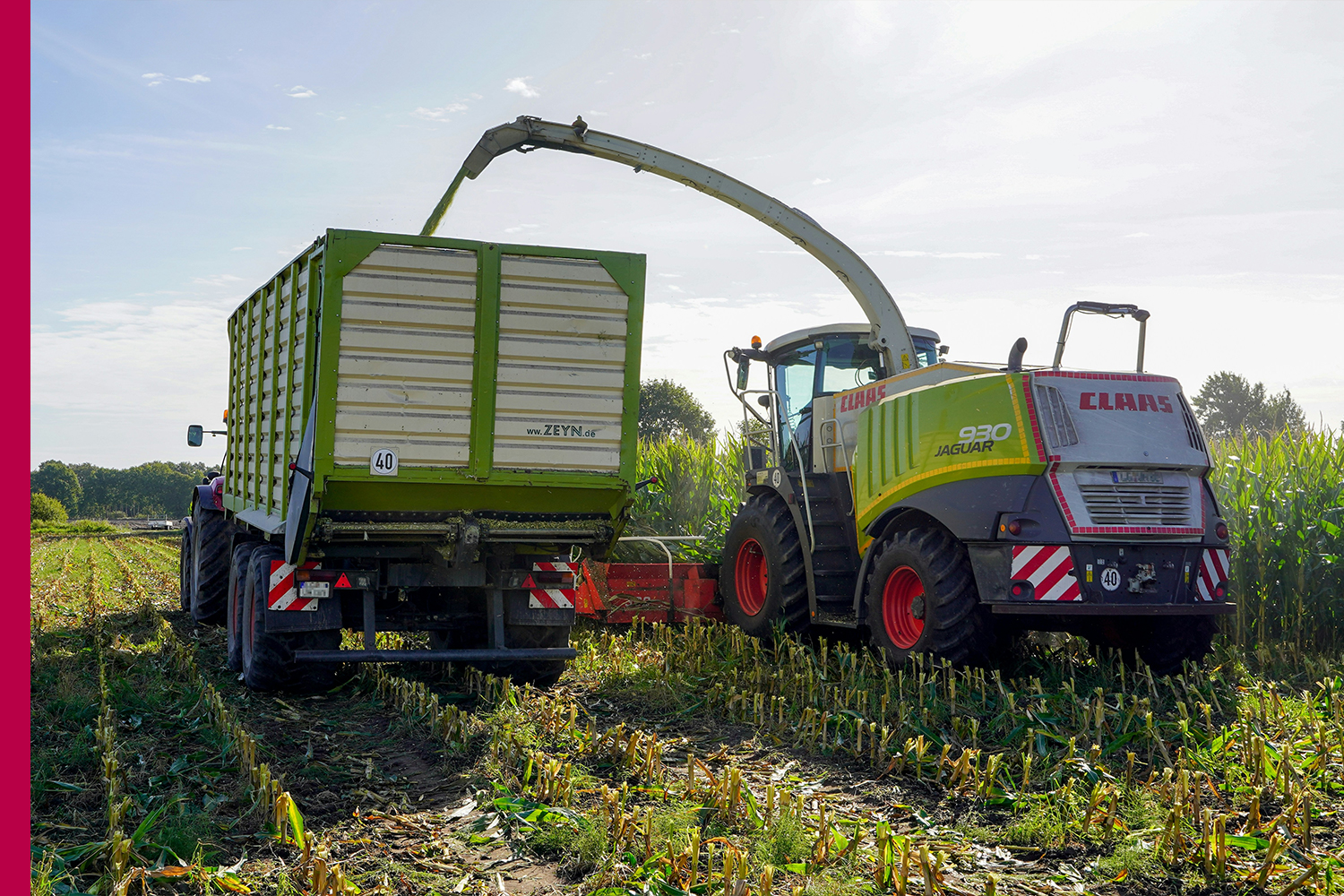
Once harvested, the produce is transported through a streamlined distribution network. Unlike traditional systems, farm-to-table supply chains often rely on local logistics, reducing transportation time and costs. This localized approach helps maintain freshness and reduces carbon emissions associated with long-distance shipping.
Technology is playing an increasingly important role in enhancing farm-to-table supply chains. Digital platforms and apps connect farmers directly with consumers and businesses, enabling efficient order management and communication. Tools based on the Internet of Things can monitor storage conditions, track shipments, and ensure product quality throughout the journey.
In India, farm-to-table models are gaining traction as consumers seek healthier and more sustainable food options. Startups and agricultural platforms are bridging the gap between farmers and urban consumers, offering fresh produce directly from farms. This not only benefits consumers but also improves farmers’ incomes by eliminating middlemen.
Restaurants and food businesses are also embracing the farm-to-table concept. By sourcing ingredients directly from local farms, they can offer fresher and more flavorful dishes while supporting local agriculture. This approach also allows chefs to experiment with seasonal ingredients and create unique menus.
Transparency is a key advantage of farm-to-table supply chains. Consumers are increasingly interested in knowing where their food comes from and how it is produced. Direct sourcing enables better traceability and builds trust between producers and consumers. Some businesses are even providing detailed information about farming practices, harvest dates, and sourcing locations.
Sustainability is another major benefit. By reducing transportation distances and minimizing packaging, farm-to-table systems have a lower environmental footprint. Supporting local farming also helps preserve agricultural communities and promotes biodiversity.

Despite its benefits, the farm-to-table model faces certain challenges. Limited scalability, seasonal availability, and logistical complexities can make it difficult to meet large-scale demand. Additionally, maintaining consistent supply and quality requires careful coordination between farmers and distributors.
Cost can also be a factor, as locally sourced and organic produce may be priced higher than mass-produced alternatives. However, many consumers are willing to pay a premium for quality, freshness, and sustainability.
Looking ahead, the future of farm-to-table supply chains lies in innovation and collaboration. Advances in technology, improved logistics, and supportive policies can help overcome existing challenges and expand the reach of this model.
In conclusion, farm-to-table supply chains represent a shift toward more sustainable, transparent, and community-driven food systems. By connecting farmers directly with consumers, this approach ensures fresher food, supports local economies, and reduces environmental impact. As awareness continues to grow, farm-to-table practices are set to play a vital role in shaping the future of food consumption.