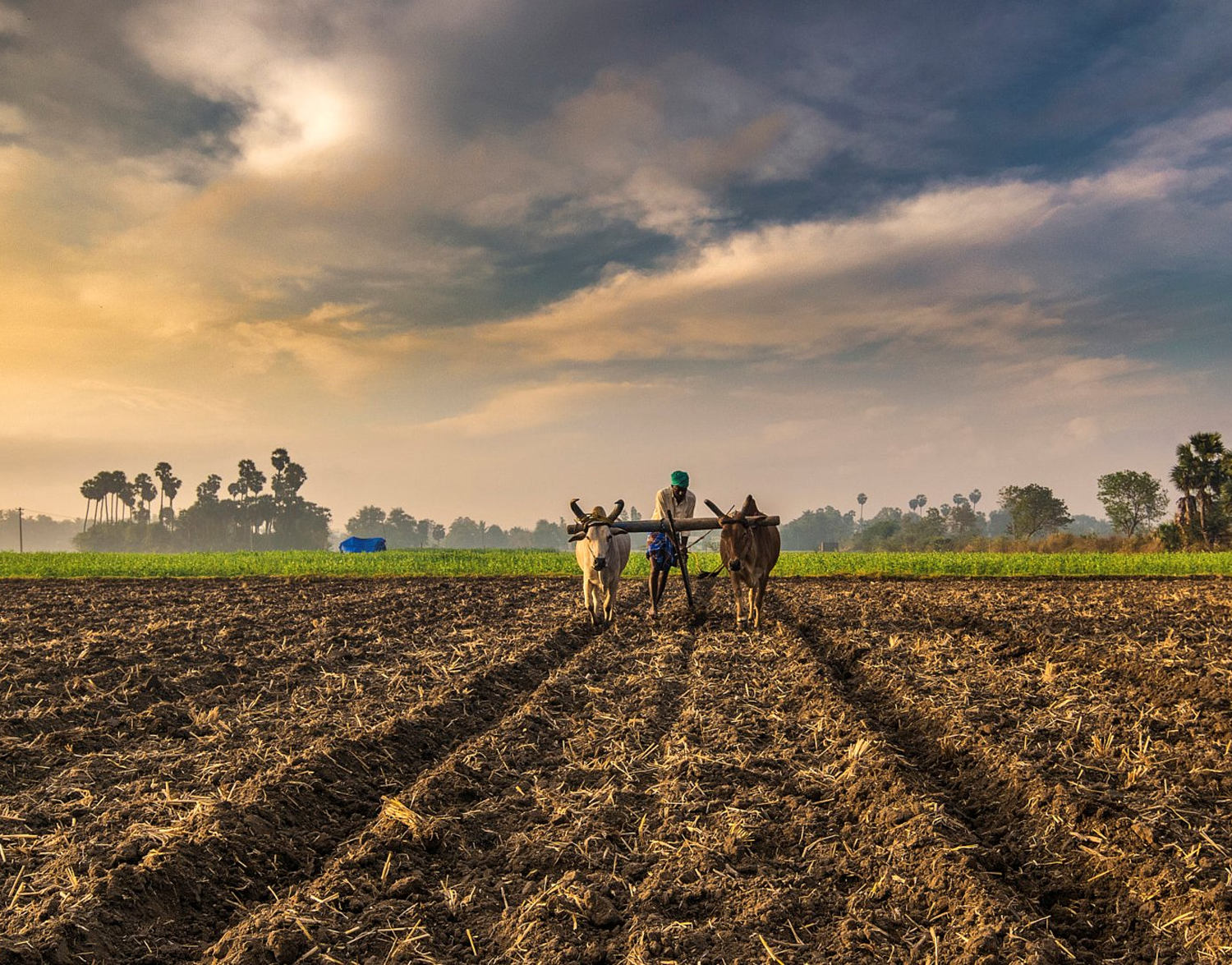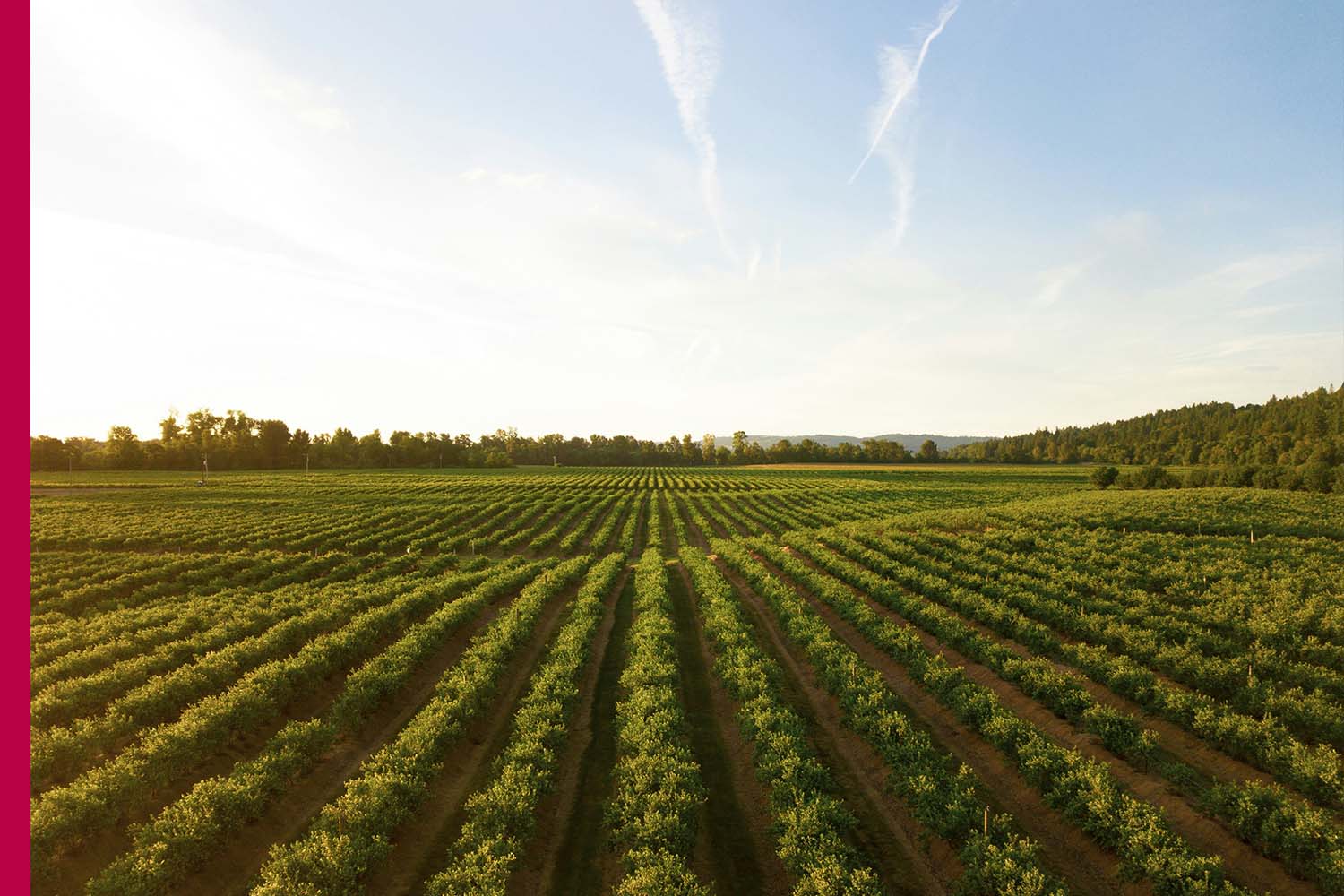




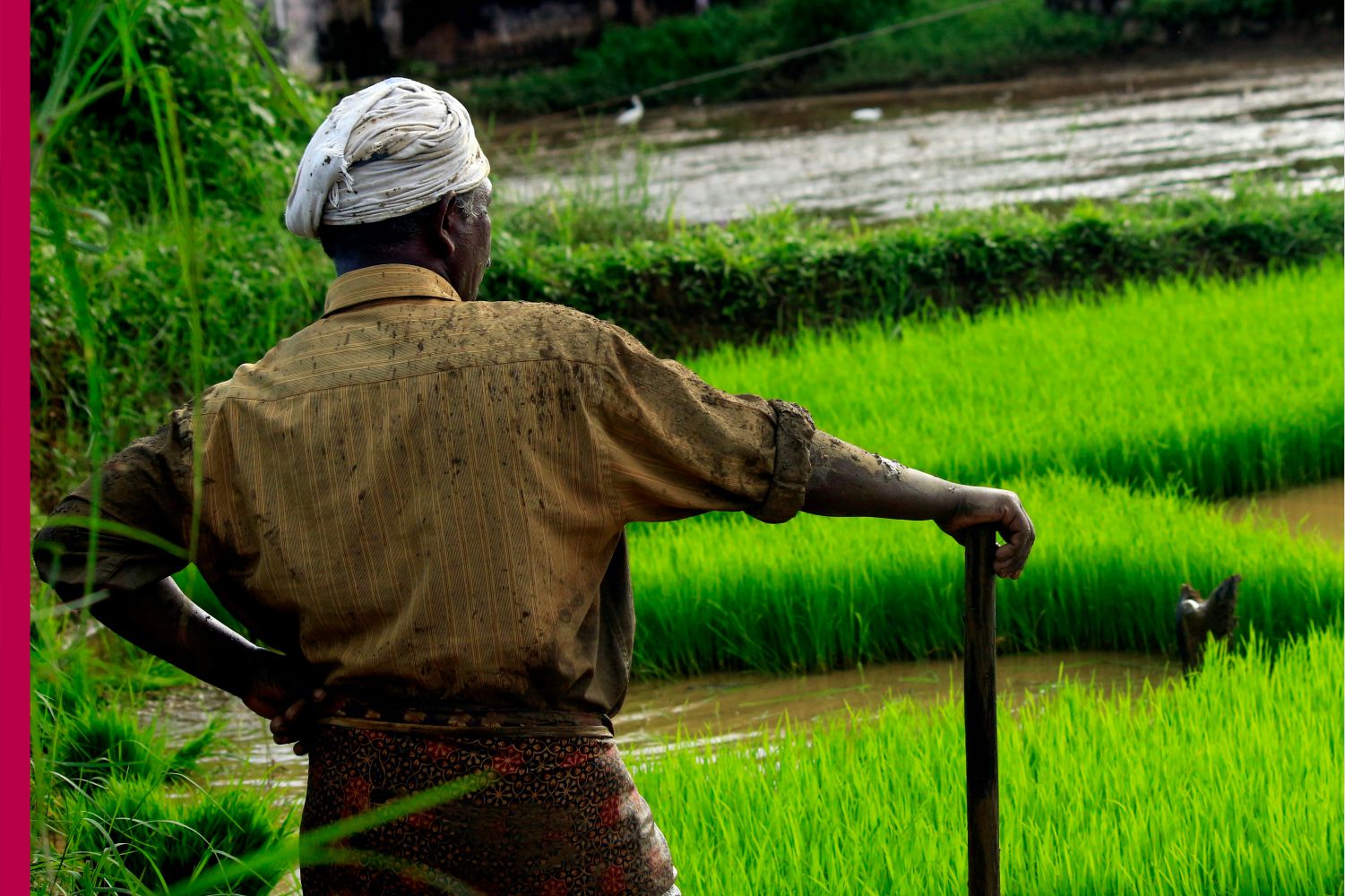
Agriculture remains one of the most important sectors in India, supporting the livelihoods of millions of farmers and contributing significantly to the country’s economy. Despite its importance, Indian agriculture faces numerous challenges that affect productivity, farmer income, and long-term sustainability. Factors such as climate change, fragmented land holdings, water scarcity, market instability, and limited technological access continue to create obstacles for agricultural development. Addressing these issues through practical and sustainable solutions is essential for strengthening the future of Indian farming.
One of the major challenges in Indian agriculture is dependence on unpredictable weather conditions. A large portion of farming still relies on monsoon rainfall, making crops vulnerable to droughts, floods, and irregular climate patterns. Climate change has further intensified these uncertainties, leading to crop losses and financial stress for farmers. Expanding irrigation facilities, promoting rainwater harvesting, and adopting drought-resistant crop varieties can help reduce dependence on rainfall and improve agricultural resilience.
Another significant issue is fragmented land holdings. Many farmers in India own very small plots of land, limiting the use of modern machinery and efficient farming practices. Small-scale farming often results in lower productivity and reduced profitability. Farmer cooperatives and shared farming models can help overcome this challenge by allowing farmers to pool resources, access machinery, and improve bargaining power in the market.
Water scarcity is becoming a growing concern in agriculture. Excessive groundwater extraction and inefficient irrigation methods have led to declining water resources in many regions. Promoting water-saving technologies such as drip irrigation and sprinkler systems can significantly improve water efficiency. Crop diversification toward less water-intensive crops can also help conserve resources while maintaining farm income.
Limited access to modern technology and agricultural knowledge is another challenge faced by many farmers. In rural areas, lack of awareness about advanced farming techniques, weather forecasting tools, and soil management practices affects productivity. Expanding agricultural extension services, digital education programs, and mobile-based advisory platforms can help farmers make informed decisions and improve crop management.
Market instability and price fluctuations also create financial uncertainty for farmers. Agricultural prices often vary due to supply-demand imbalances, middlemen involvement, and inadequate storage infrastructure. Strengthening direct market access, improving cold storage facilities, and promoting digital agricultural marketplaces can help farmers receive fair prices for their produce. Contract farming and farmer-producer organizations can further improve market linkages and income stability.
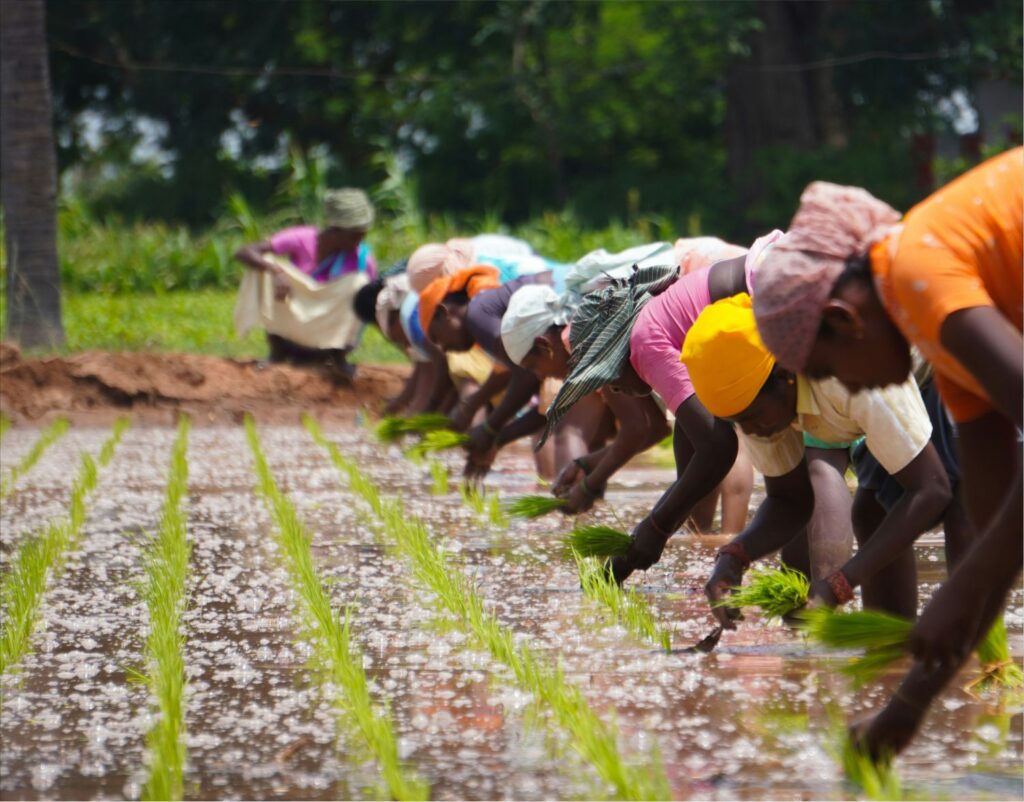
Post-harvest losses remain a major issue in Indian agriculture. Poor transportation, inadequate storage, and inefficient supply chains result in significant wastage of fruits, vegetables, and grains. Investing in rural infrastructure, cold chain logistics, and food processing industries can reduce losses and increase the value of agricultural products.
Financial challenges also affect the farming community. Many farmers struggle with debt, limited access to affordable credit, and rising input costs. Expanding access to low-interest agricultural loans, crop insurance schemes, and financial literacy programs can help improve economic security for farmers.
Sustainable farming practices are becoming increasingly important for long-term agricultural growth. Excessive use of chemical fertilizers and pesticides can damage soil health and reduce productivity over time. Encouraging organic farming, integrated pest management, and soil conservation techniques can support environmental sustainability and improve crop quality.
In conclusion, Indian agriculture faces multiple challenges that require coordinated efforts from governments, industries, researchers, and farming communities. By adopting modern technology, improving infrastructure, promoting sustainable practices, and strengthening market systems, India can create a more resilient and productive agricultural sector that supports both farmers and national economic growth.