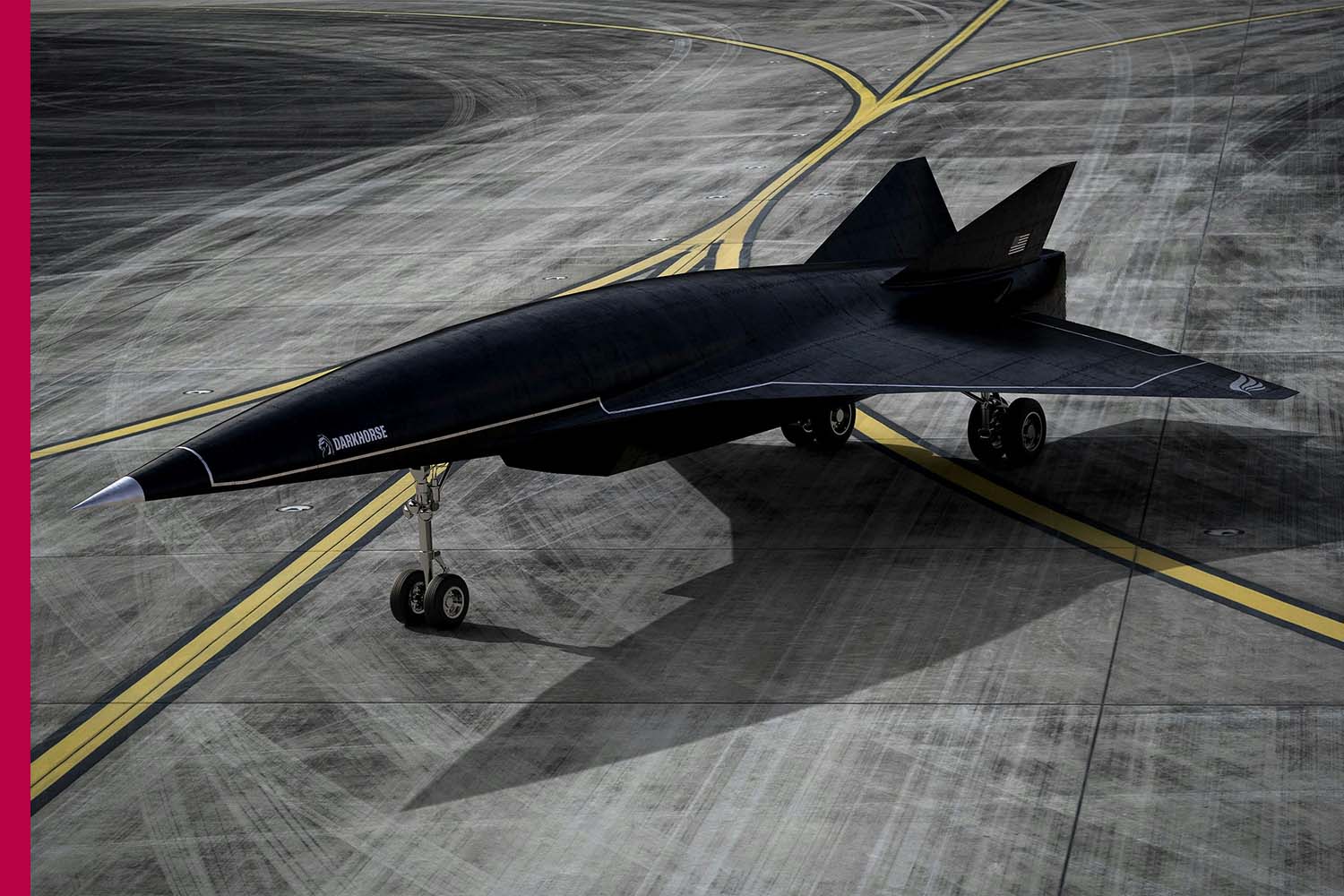







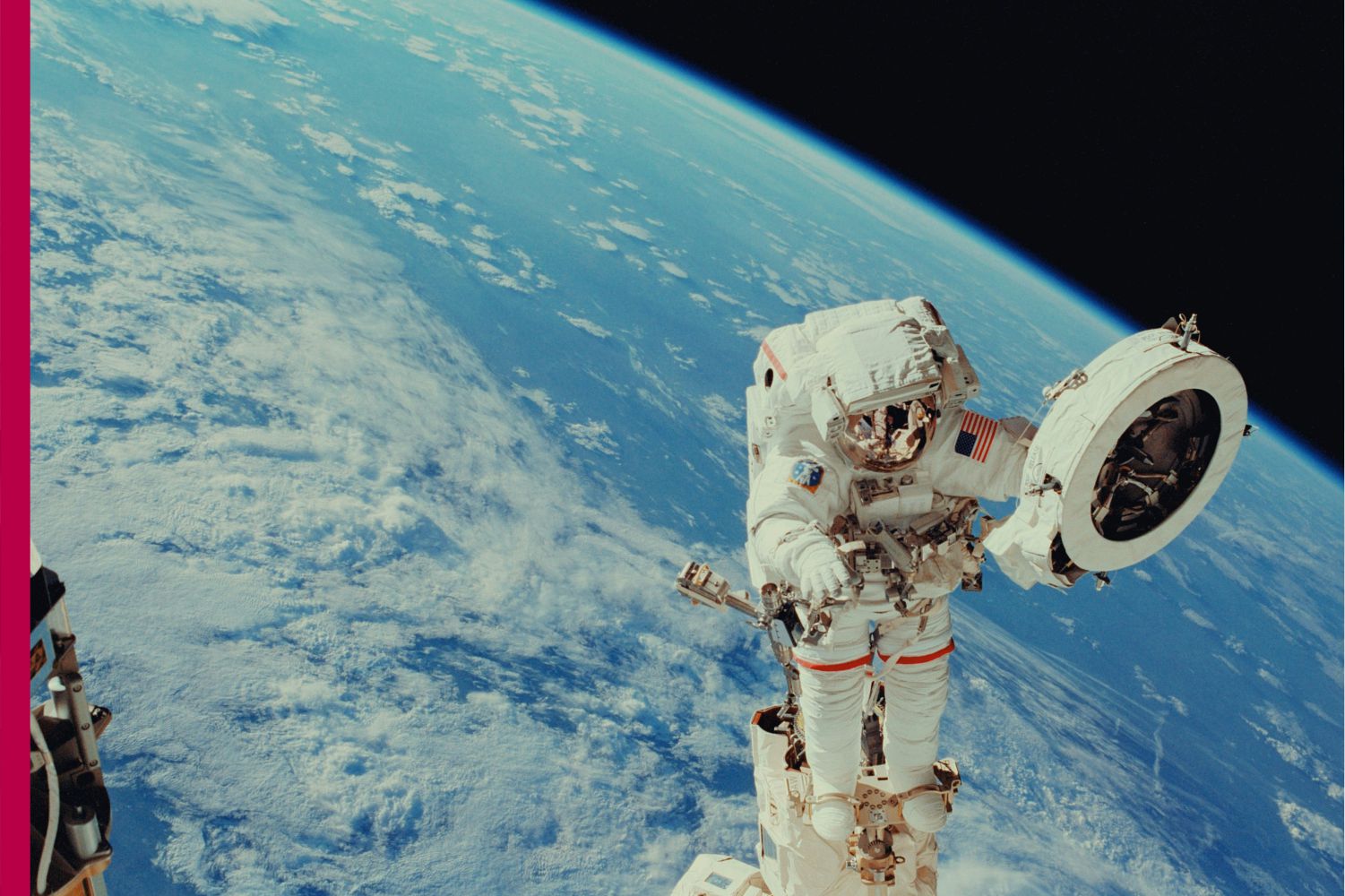
The space industry, once dominated primarily by government agencies and large aerospace corporations, is experiencing a major transformation with the rise of startups. New space companies are bringing fresh ideas, advanced technologies, and innovative business models that are changing how humanity explores and uses space. From satellite services and reusable rockets to space-based communication and planetary research, startups are playing an increasingly important role in accelerating space innovation and making space technology more accessible.
Traditionally, space exploration required enormous investments, large teams, and long development timelines. Government organizations led most space missions because of the complexity and cost involved. However, advancements in technology, miniaturization, and private investment have lowered entry barriers. Today, startups are developing affordable solutions that allow more organizations and countries to participate in space activities.
One of the biggest contributions of space startups is innovation in satellite technology. Small satellites, including CubeSats and nanosatellites, have revolutionized the industry by providing cost-effective alternatives to traditional large satellites. Startups are using these technologies for Earth observation, climate monitoring, agriculture analysis, navigation, and global communication. These smaller systems can be built faster and launched at a fraction of the cost of conventional satellites.
Launch technology is another area where startups are creating significant change. The development of reusable rockets and advanced propulsion systems has the potential to reduce the cost of accessing space. Private space companies are focusing on improving launch efficiency, increasing reliability, and creating flexible solutions for satellite deployment. Lower launch costs are opening opportunities for scientific research, commercial applications, and international space projects.
Space startups are also contributing to the growth of satellite-based internet and global connectivity. Many companies are developing large satellite networks designed to provide high-speed internet access to remote and underserved regions. These innovations have the potential to reduce the digital divide by connecting communities that lack traditional communication infrastructure.
Artificial Intelligence (AI), robotics, and automation are further expanding the role of startups in space innovation. AI-powered systems are being used to analyze satellite data, improve spacecraft operations, and support autonomous missions. Robotics companies are developing advanced machines for space exploration, maintenance, and resource collection. These technologies could become essential for future missions to the Moon, Mars, and beyond.
The commercial space sector is also exploring new opportunities such as space tourism, asteroid research, and space manufacturing. Startups are experimenting with technologies that could enable future industries beyond Earth. Space-based manufacturing may allow the production of advanced materials in microgravity, while asteroid exploration could provide access to valuable resources.
Another important contribution of startups is their ability to create a culture of rapid innovation. Unlike traditional organizations with complex structures, startups often operate with greater flexibility and can quickly test new ideas. This approach encourages experimentation, faster development cycles, and creative problem-solving. Collaboration between startups, research institutions, and established aerospace organizations is helping accelerate technological progress.
Despite their potential, space startups face several challenges. High development costs, regulatory requirements, technical risks, and competition create significant obstacles. Space projects require long-term investment, specialized expertise, and careful planning. However, increasing venture capital support and government initiatives are helping many startups overcome these challenges.
Sustainability is becoming another important focus area for space startups. With the growing number of satellites and missions, concerns about space debris and environmental impact are increasing. Innovative companies are developing satellite tracking systems, debris removal technologies, and responsible space operations to support long-term space sustainability.
In conclusion, startups are becoming powerful drivers of space innovation by introducing new technologies, reducing costs, and expanding access to space. Their contributions in satellites, launch systems, artificial intelligence, communication, and exploration are reshaping the future of the aerospace industry. As collaboration and investment continue to grow, space startups will play a crucial role in humanity’s journey toward a more connected and advanced future beyond Earth.