



For generations, the sky represented a boundary between what humanity knew and what it could only imagine. Today, the aerospace industry is steadily transforming that boundary into a gateway. From commercial aviation and advanced aircraft to satellite networks, space exploration, and emerging space technologies, aerospace continues to redefine how people travel, communicate, explore, and understand the world.
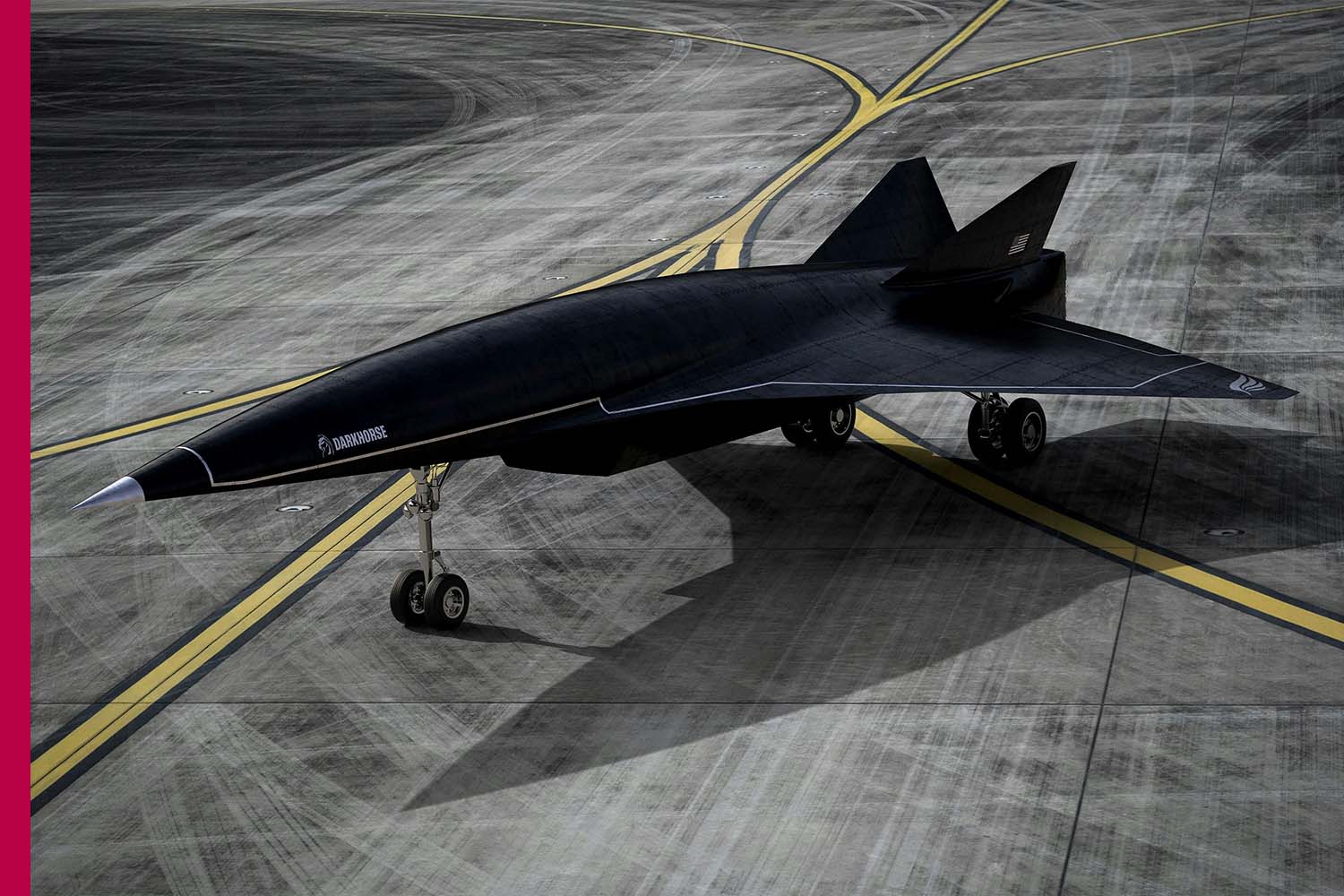
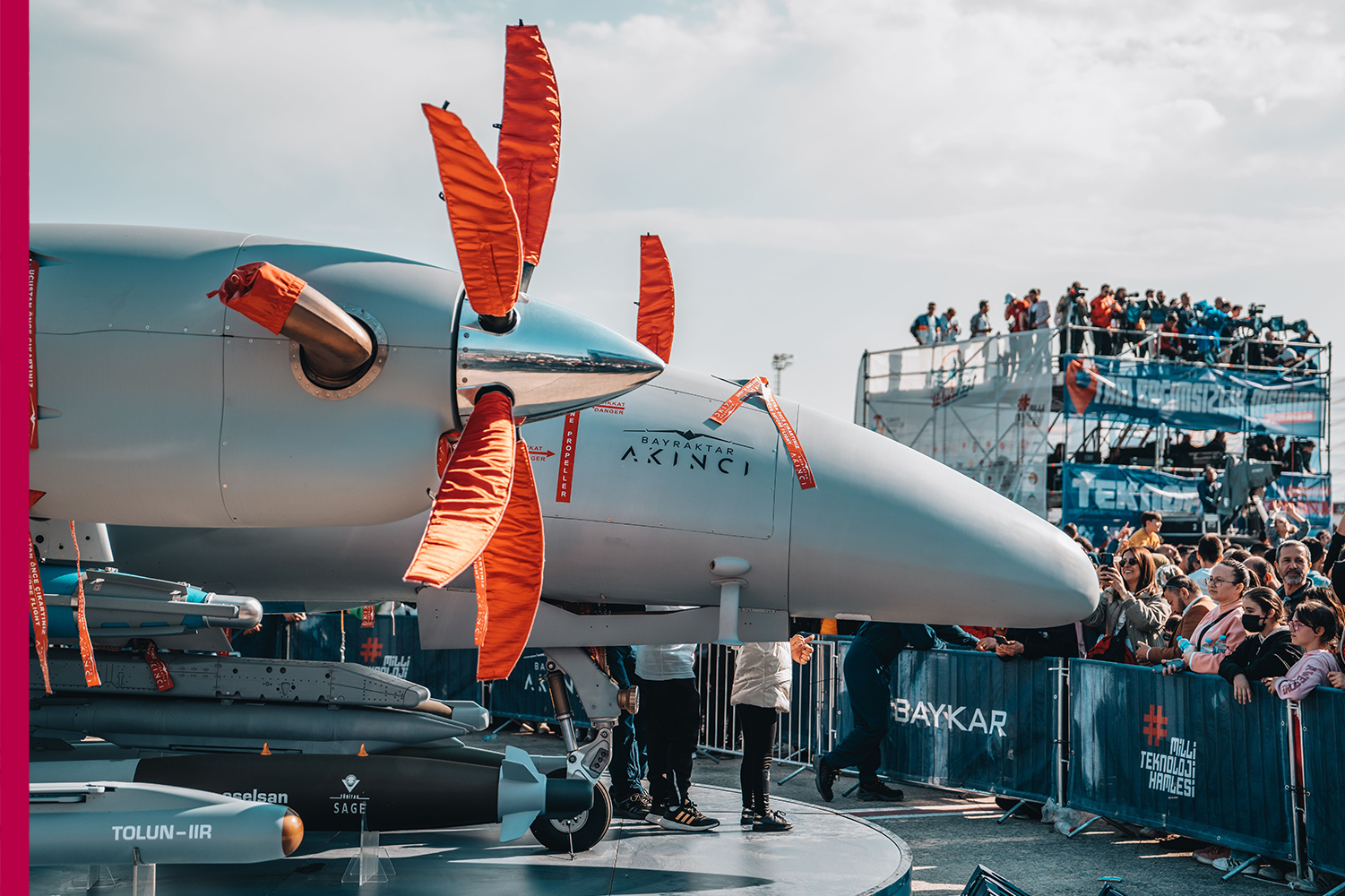
The industry is built on the collaboration of many disciplines. Engineers design aircraft that can travel farther while consuming less fuel. Scientists develop materials capable of withstanding extreme temperatures and pressure. Researchers improve navigation systems, propulsion technologies, and autonomous flight capabilities. Behind every successful aerospace achievement stands a vast network of technical expertise, rigorous testing, and coordinated problem-solving.
One of the sector’s most significant contributions is its role in connecting the world. Commercial aviation has made international business, tourism, education, and cultural exchange more accessible. Cargo aircraft support global supply chains, transporting essential goods across continents. Meanwhile, satellites provide services that modern life increasingly depends on, including weather forecasting, navigation, telecommunications, environmental monitoring, and disaster management.
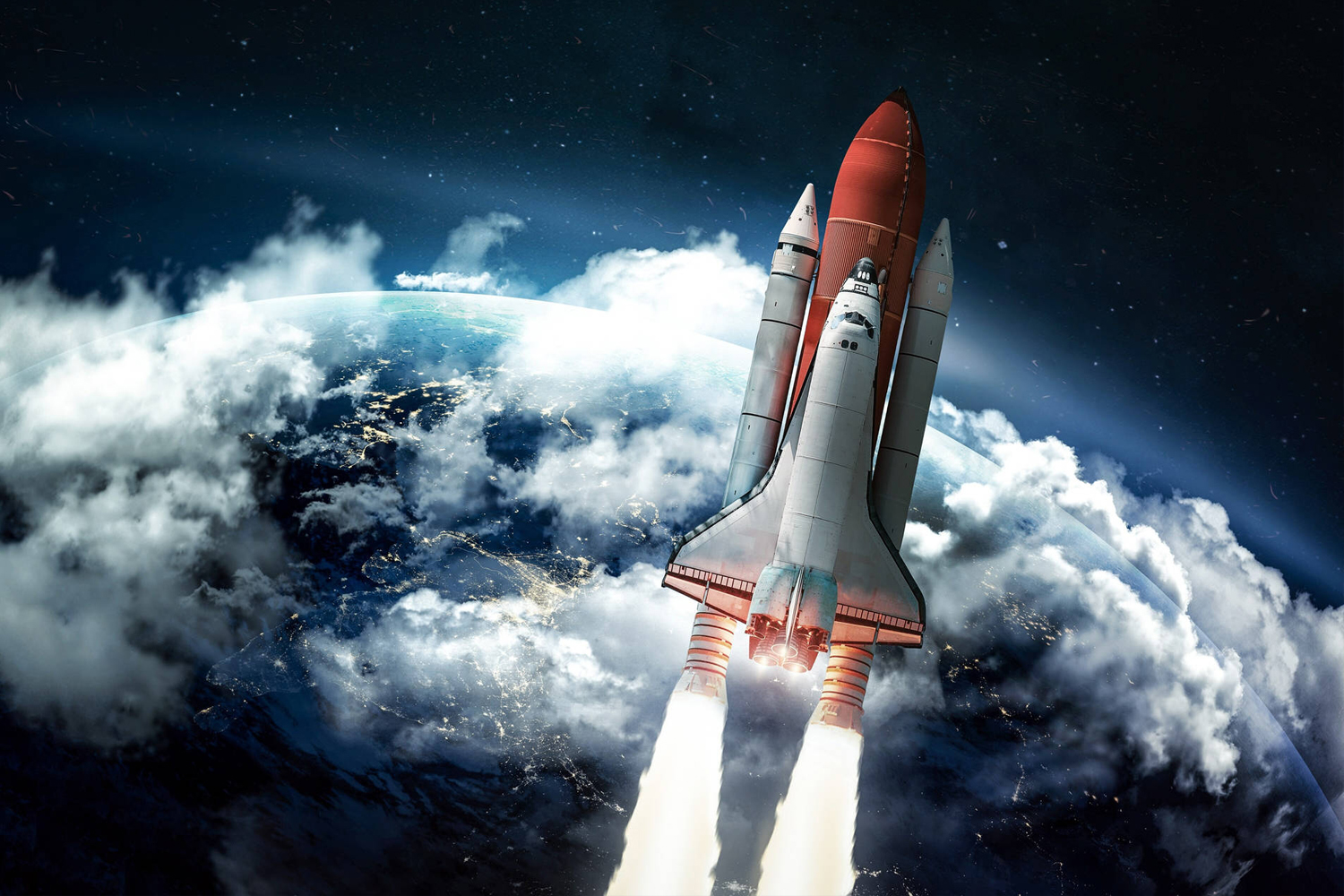
Space exploration has opened another chapter in this continuing story. Satellites and scientific missions help researchers observe Earth, study distant planets, and investigate the origins and structure of the universe. Developments in reusable launch systems and commercial spaceflight are also changing how the industry approaches access to space. What was once largely the responsibility of national space agencies now involves a growing ecosystem of private companies, research institutions, and international partnerships.

Yet progress in aerospace comes with substantial responsibilities. Aircraft emissions, orbital congestion, space debris, cybersecurity risks, and the high cost of research demand careful attention. The industry’s future will depend not only on technological breakthroughs but also on responsible design, international cooperation, safety standards, and sustainable practices.
Innovation is also creating opportunities for a new generation of professionals. Aerospace requires expertise in engineering, software development, robotics, data science, materials research, manufacturing, and project management. As artificial intelligence and automation become more integrated into aerospace systems, the ability to combine technical knowledge with sound judgment will become increasingly valuable.
Ultimately, aerospace is more than a story of machines leaving the ground. It is a story of human curiosity translated into engineering, collaboration, and discovery. Every aircraft that connects distant communities and every satellite that expands our understanding of Earth demonstrates the power of collective ambition.
As humanity looks toward more efficient aviation, deeper space exploration, and increasingly connected societies, aerospace will remain an important measure of how imagination can become reality. Its greatest achievements will be those that extend our reach while protecting the people, planet, and shared future that make exploration worthwhile.