


Sport has the power to unite communities, inspire individuals, and create moments that remain in public memory long after a competition ends. But behind every athlete’s performance lies a wider ecosystem of coaches, facilities, sponsors, broadcasters, administrators, medical professionals, equipment manufacturers, and supporters. As this ecosystem develops, sport is increasingly recognised not only as a cultural force but also as an industry with significant economic potential.
India’s sports landscape has traditionally been dominated by cricket in terms of audience attention, sponsorship, and commercial revenue. Yet interest in football, badminton, kabaddi, athletics, wrestling, hockey, esports, and women’s competitions is creating opportunities to broaden the market. The challenge is to convert growing participation and audience interest into sustainable systems that support athletes and organisations over the long term.
Recent developments suggest that India’s sports economy is attracting investment beyond traditional competitions. The Economic Times reported in October 2026 that investors were exploring opportunities in women’s sports, emerging leagues, and participation-led sporting properties. Its coverage noted that streaming platforms are helping sports organisations reach targeted audiences without depending entirely on conventional television distribution.
A further policy development came in late October 2026, when the Union Cabinet approved the Khelo India Sports Goods Manufacturing Scheme with a total outlay of ₹1,856.67 crore for the period 2026 to 2033–34. According to the Prime Minister’s Office, the scheme is intended to strengthen domestic sports-goods manufacturing through investment support, technology adoption, research, skills development, quality certification, and export promotion. It also envisages dedicated manufacturing zones and support for existing industry clusters.
The scheme connects two important ambitions: developing a stronger sports ecosystem and expanding India’s manufacturing capabilities. Sports equipment requires design expertise, material science, product testing, manufacturing precision, and compliance with international standards. Building these capabilities can create opportunities for manufacturers, suppliers, designers, research institutions, and skilled workers.
However, a successful sports economy cannot be built through commercial investment alone. Athletes need access to quality coaching, safe facilities, nutrition, sports science, medical support, and structured competition. Young talent must have pathways from school and community sport into professional development. These foundations are particularly important in disciplines that receive less sponsorship or media attention.
Women’s sport presents both an opportunity and a responsibility. Growing visibility can attract sponsors and audiences, but sustained progress requires investment in grassroots participation, coaching, facilities, competition structures, and professional opportunities. A successful tournament can create momentum; lasting change depends on the system that remains after the event concludes.
Technology is reshaping how sport is played, watched, and managed. Performance analytics can help coaches understand training loads and tactical patterns. Digital broadcasting can connect niche sports with specialised audiences, while online communities create new opportunities for sponsorship and fan engagement. Yet data must be interpreted carefully, and technology should support—not replace—expert coaching and athlete judgement.
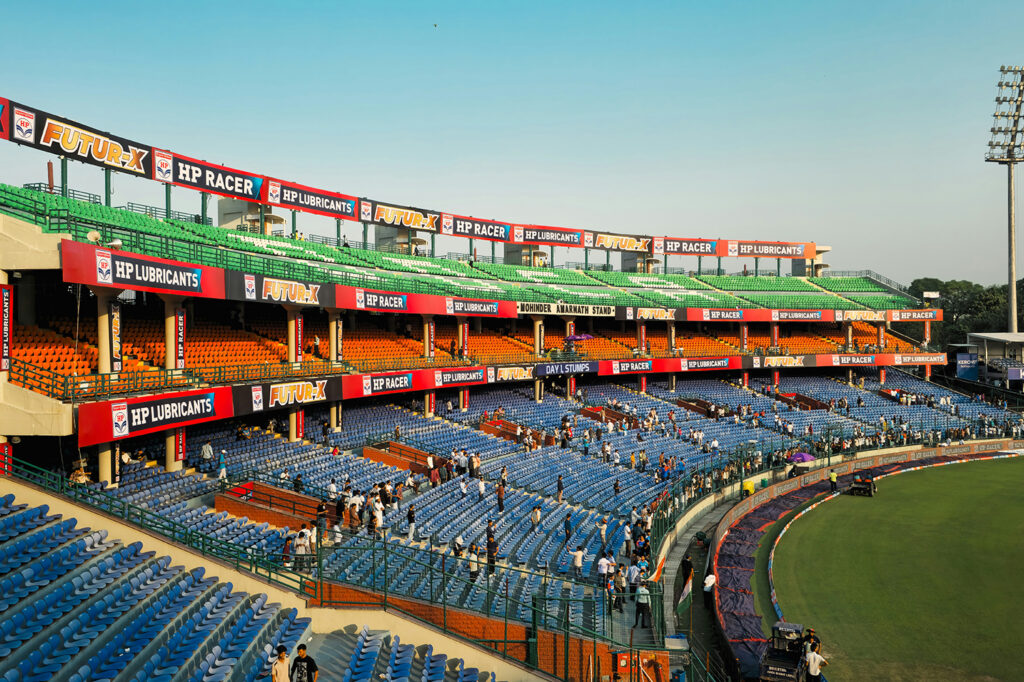
Commercialisation also brings questions of governance. Sports organisations need transparent financial management, credible competitions, fair selection processes, and strong safeguards for participants. Sponsors and investors are more likely to support properties that demonstrate sound management and a clear long-term vision.
For businesses, sports offers opportunities across events, broadcasting, merchandise, travel, fitness, equipment, digital platforms, and community programmes. The most sustainable models create value for more than one stakeholder: fans receive engaging experiences, athletes receive development opportunities, partners gain meaningful connections with audiences, and communities benefit from participation.
India’s sporting future will depend on its ability to build beyond isolated moments of success. Winning medals and championships matters, but so does the quality of the pathways that make those achievements possible.
A stronger sports economy is ultimately one that expands participation, supports athletes, encourages innovation, and creates opportunities across the country. The true measure of progress will not be the size of a single league or the popularity of one sport, but the strength of the entire ecosystem behind it.