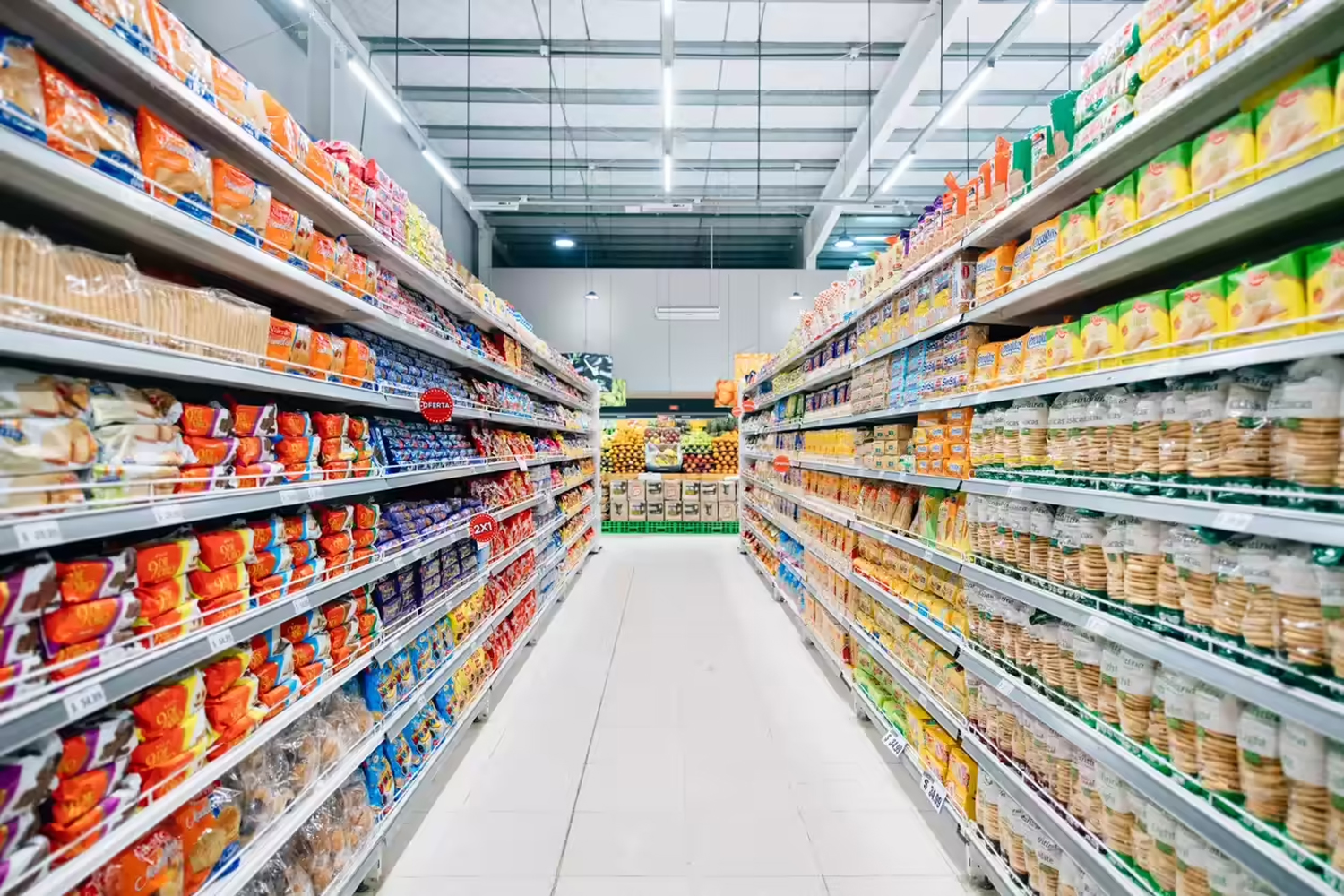


Retail is where the broader economy meets everyday decisions. From groceries and clothing to electronics, home products, and personal care, retail businesses respond to the ways people live, work, spend, and plan for the future. Their success depends on understanding not only what consumers want, but also how expectations, budgets, habits, and purchasing channels change over time.
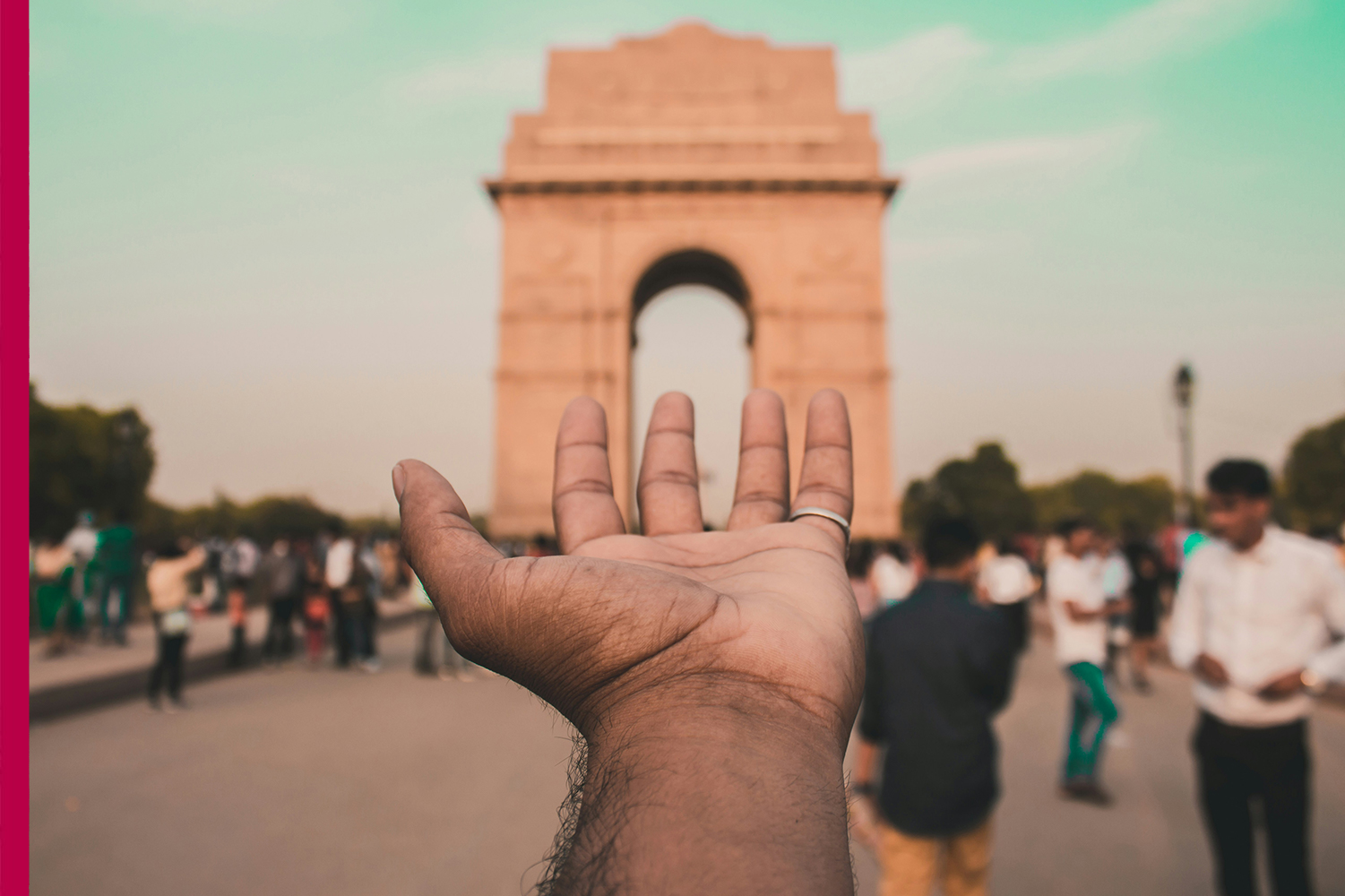
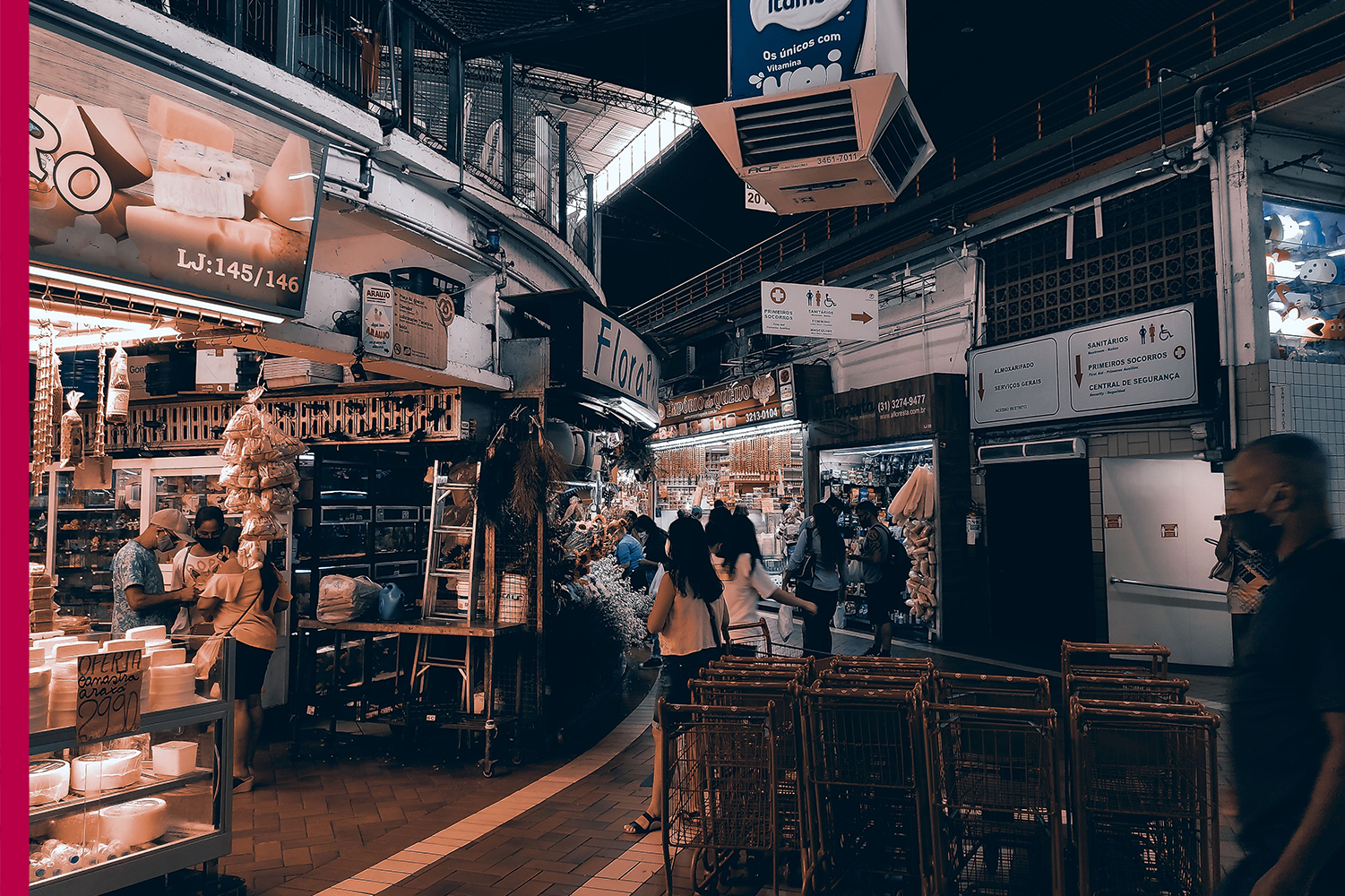
India’s retail landscape is particularly diverse. Large organised chains operate alongside independent shops, neighbourhood stores, specialist outlets, online marketplaces, and direct-to-consumer brands. This diversity creates both competition and opportunity. Businesses can serve distinct customer groups, but they must also manage inventory, pricing, service quality, and customer experience across increasingly complex markets.
Recent figures reveal a retail sector experiencing growth alongside uneven demand. A report published by the Retailers Association of India and Innoviti Technologies on 30 October 2026 found that like-for-like retail spending grew 7.1% year-on-year in July, accelerated to 9.6% in August, and moderated to 6.8% in September. Tier-3 cities consistently outperformed metropolitan markets during the quarter, suggesting that retail opportunities are not limited to the country’s largest urban centres.
The festive season has also produced mixed signals. The Financial Express reported on 1 November 2026 that India’s fast-moving consumer goods market recorded 15% value growth in October, its strongest pace in approximately 18 months, based on data from retail intelligence platform Bizom. Rural markets grew 17% and urban markets 11%. However, value growth does not necessarily mean that consumers purchased proportionately more products: price increases and changes in product mix can also influence sales values.
For retailers, these differences matter. A business that treats the entire country as one market may overlook variations in income, product preferences, payment habits, local competition, and shopping frequency. Regional data can help retailers choose suitable assortments, plan promotions, allocate stock, and decide where to expand.
Digital technology is changing how customers discover and purchase products. Online marketplaces, mobile applications, digital payments, and social commerce have reduced barriers between product discovery and purchase. Physical stores remain important, however, because customers often value the ability to examine products, receive advice, take goods home immediately, or resolve issues face to face. Many retailers are therefore combining digital convenience with physical service rather than treating the two channels as mutually exclusive.
Inventory management is one of the most important operational challenges. Excess stock ties up capital and may lead to markdowns, while shortages can send customers to competitors. Better demand forecasting, supplier coordination, and store-level data can help businesses balance availability with cost. The festive season makes this especially important because demand can rise sharply before returning to more normal levels.
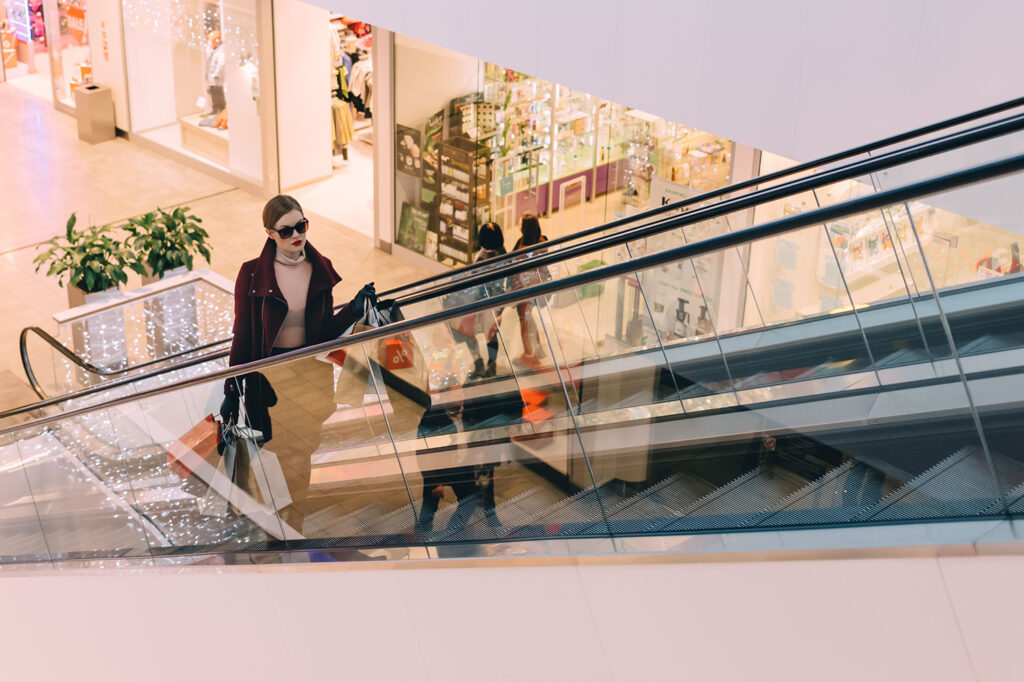
Customer trust is another differentiator. Clear pricing, reliable product information, fair return policies, secure payments, and responsive support encourage repeat purchases. Retailers that use customer data must also handle it responsibly and communicate clearly about how it is collected and used.
Smaller retailers can remain competitive through local knowledge, personal relationships, specialised products, and flexible service. Larger organisations may benefit from scale, logistics capabilities, and technology investment. Neither model guarantees success; each must deliver value that customers recognise.
The future of retail will be shaped by how effectively businesses combine data with human understanding. Technology can identify patterns, but people must interpret what those patterns mean for real customers. Growth requires not only selling more, but also building relationships that withstand changing economic conditions.
Retail’s strongest businesses will be those that understand the consumer beyond the transaction. When convenience, value, reliability, and service come together, a single purchase can become the beginning of lasting loyalty.