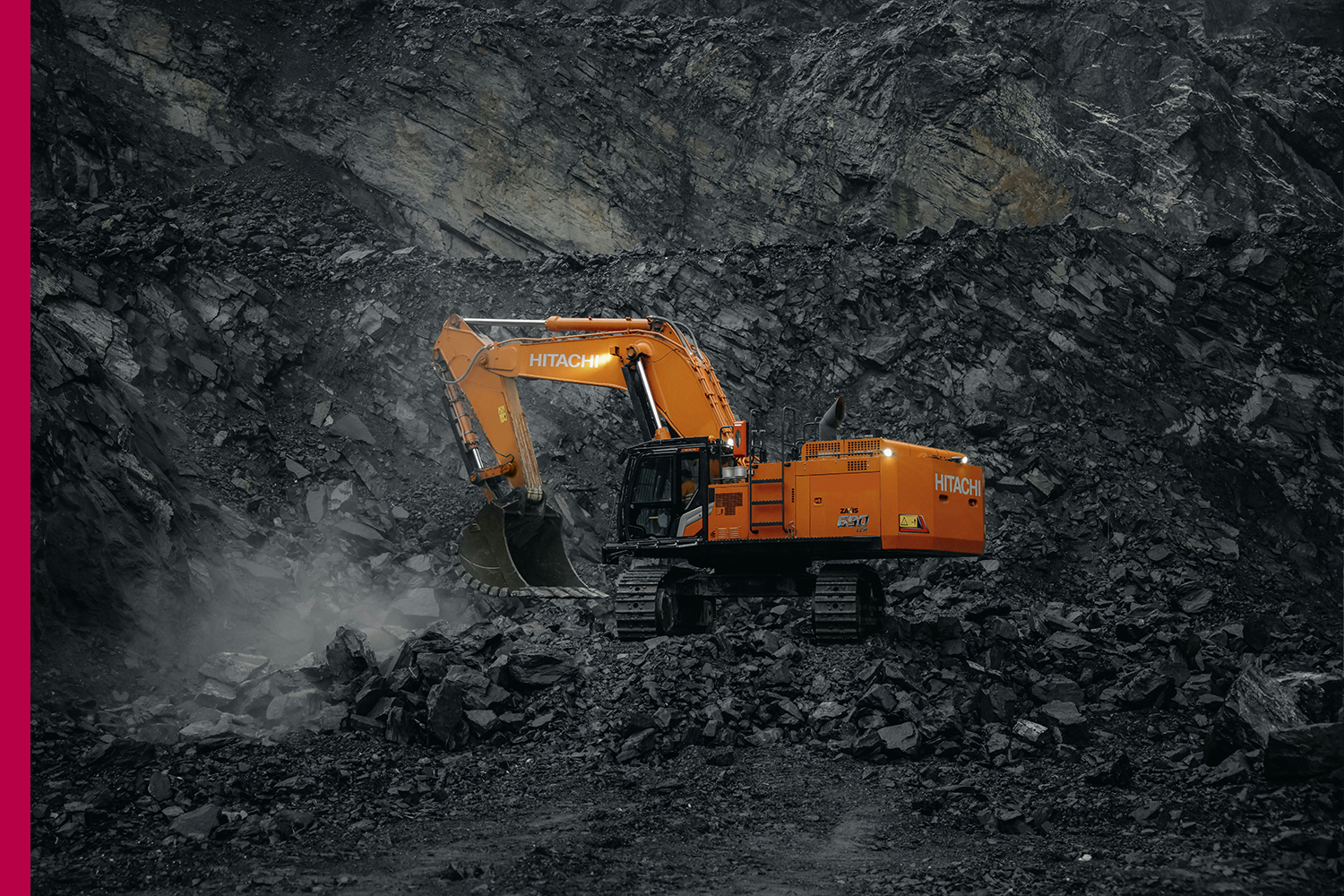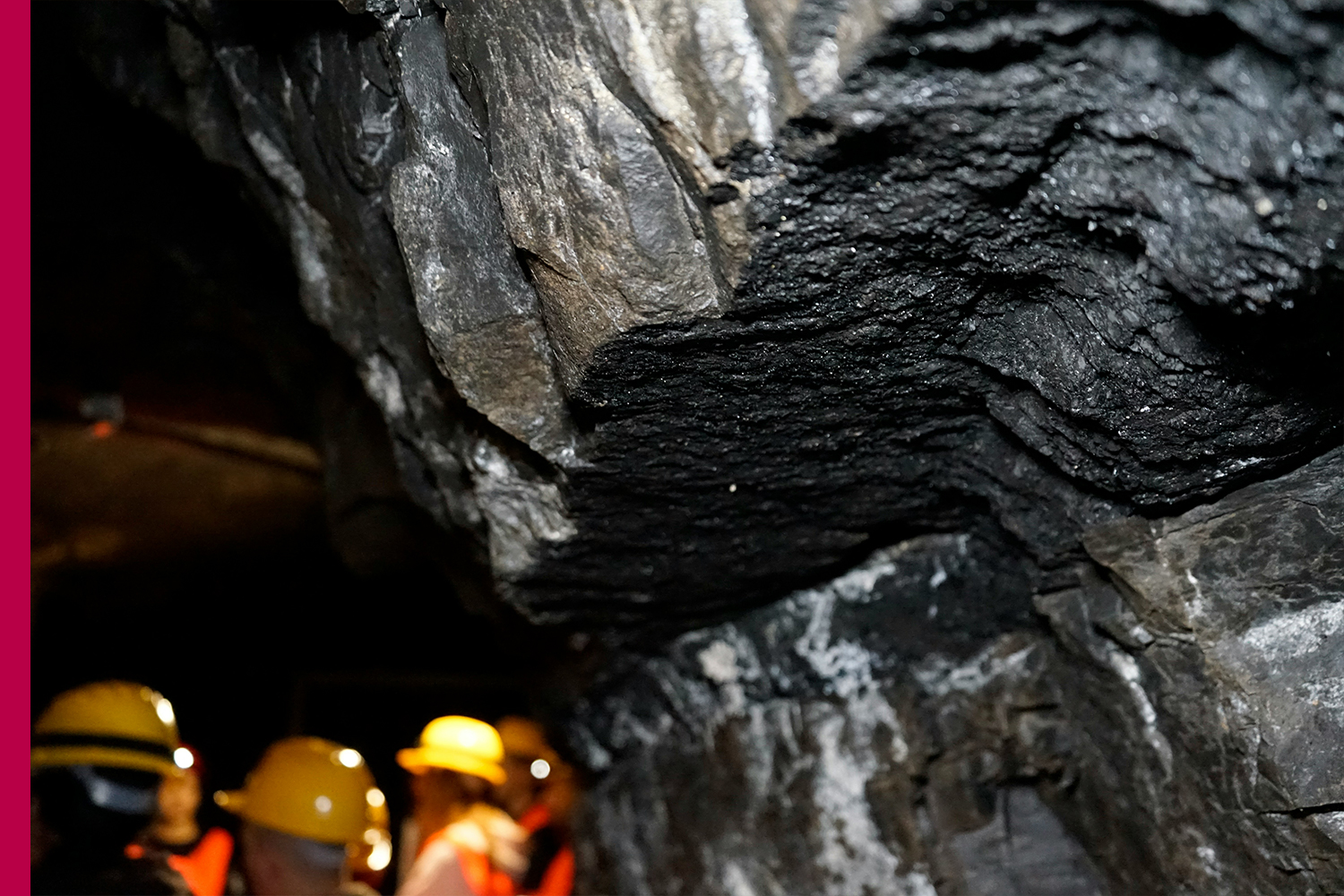




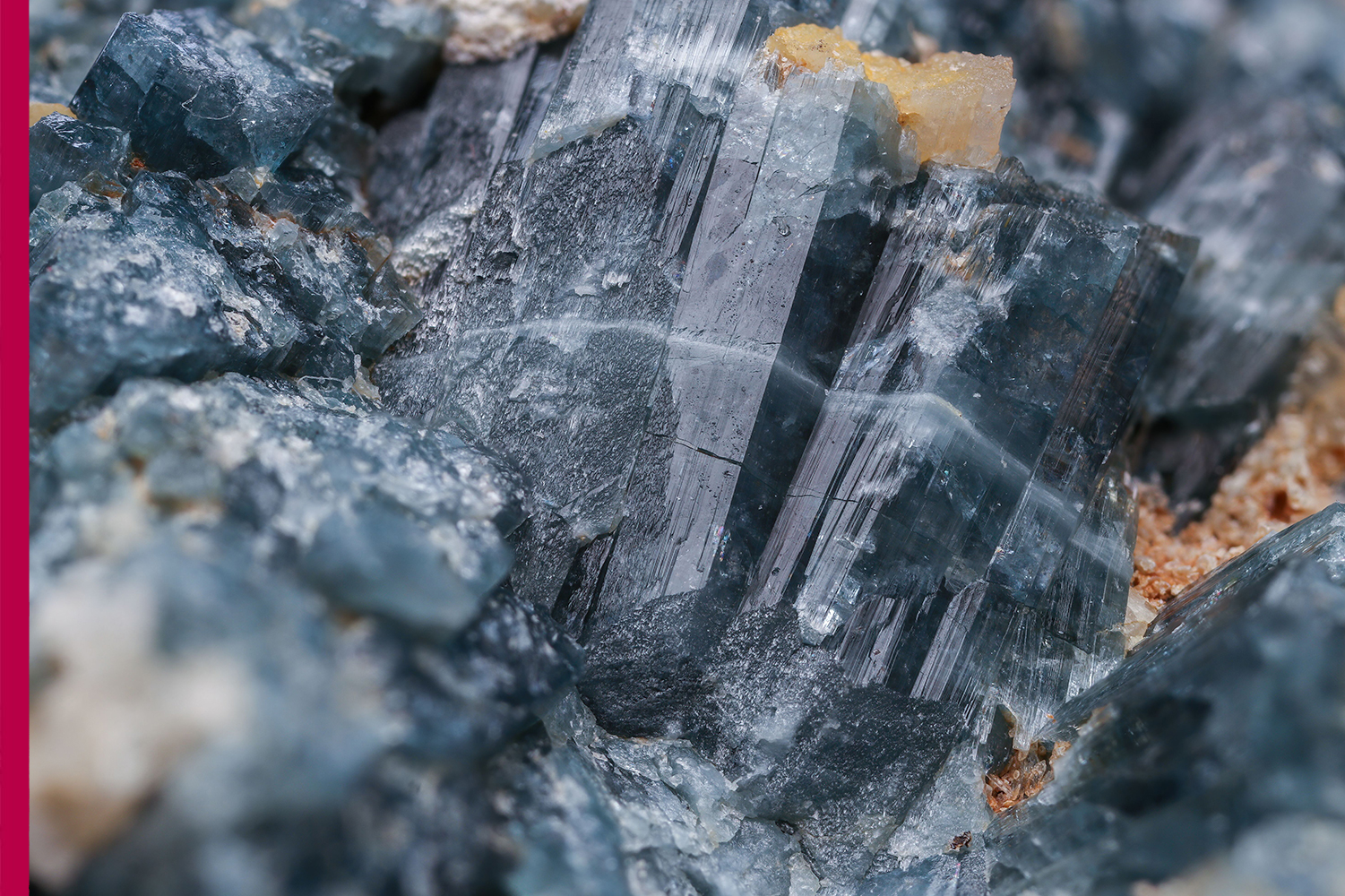
Mining supplies the raw materials that support construction, manufacturing, energy, transport, and modern technology. Coal, iron ore, copper, nickel, manganese, and many other minerals enter supply chains that eventually produce electricity, buildings, industrial equipment, vehicles, and electronic products. Although mining often takes place far from major commercial centres, its influence reaches nearly every part of the economy.
India’s mineral sector faces a complex task: meeting the material needs of a developing economy while improving safety, environmental performance, and the long-term value created for communities. Domestic mineral resources can support industrial growth and reduce dependence on selected imports, but discovering a deposit is only the beginning. Commercial development requires geological assessment, suitable infrastructure, regulatory approvals, investment, processing capacity, and responsible mine planning.
A notable development was reported on 3 November 2026, when The Times of India described a potential nickel-bearing ore deposit identified at Deccan Gold Mines’ Bhalukona nickel-copper-platinum group elements project in Chhattisgarh. The reported resource estimate exceeded four million tonnes of ore at approximately 0.24% nickel equivalent. Further mineralisation was considered possible, but additional exploration and assessment would be needed before the deposit’s full commercial potential could be established.
Nickel is an important industrial material used in stainless steel and various other applications, including selected battery chemistries. Identifying domestic resources may therefore contribute to discussions about supply security and critical minerals. However, an exploration result should not be confused with an operating mine or a confirmed increase in usable supply. Economic feasibility, extraction methods, processing requirements, environmental impacts, and project approvals all influence whether a deposit can be developed successfully.
Coal mining also remains a significant part of India’s industrial and energy landscape. On 2 November 2026, India Mining Review reported that Western Coalfields Limited produced 5.93 million tonnes of coal in October, compared with 3.60 million tonnes a year earlier—an increase of 64.87%. The company also reported higher coal offtake and increased railway rake loading. These figures illustrate the operational importance of coordinating production with transport and supply requirements.
Mining performance cannot be measured by output alone. Worker safety, land rehabilitation, water management, dust control, biodiversity protection, and engagement with surrounding communities are essential responsibilities. Mining projects can alter landscapes and affect livelihoods, making transparent consultation and accountable environmental management critical to public trust.
Technology can help improve both productivity and safety. Remote monitoring, digital geological models, automated equipment, and predictive maintenance can support better planning and reduce certain operational risks. Sensors and monitoring systems may help detect changing conditions, while improved data analysis can support resource estimation and equipment management. These tools must be backed by effective safety procedures, trained workers, and clear responsibility for decisions.
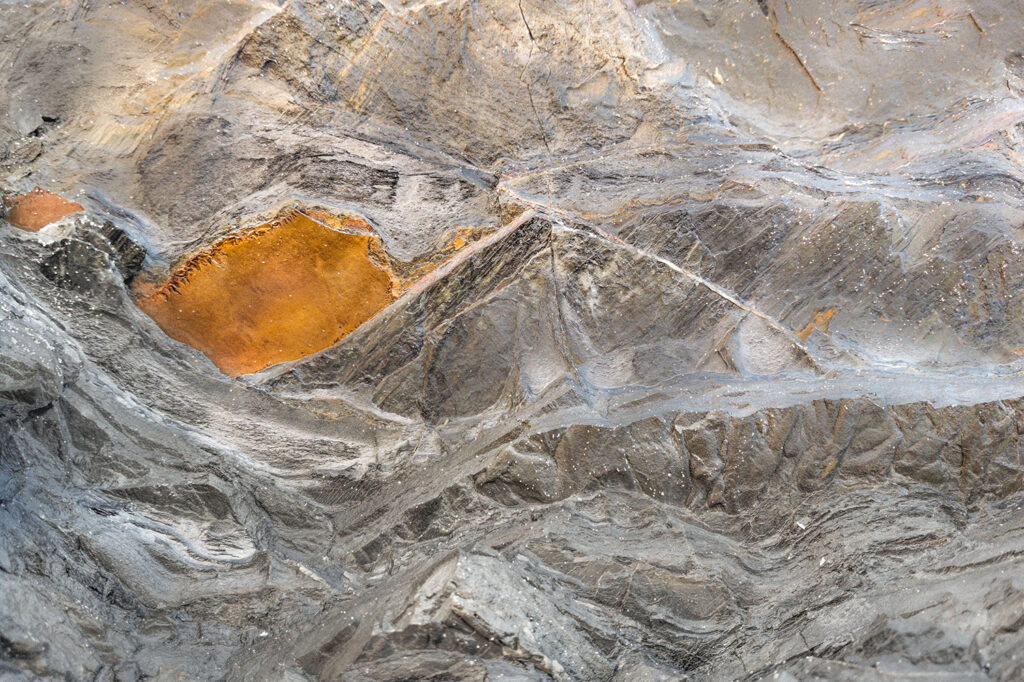
The transition towards cleaner energy also creates new questions for the sector. Demand for certain minerals may grow as countries develop electricity networks, renewable-energy systems, and new technologies. At the same time, the environmental cost of extraction must be carefully managed. Recycling, material efficiency, responsible sourcing, and the recovery of minerals from industrial waste can complement primary mining.
For India, a stronger mineral ecosystem will require investment in exploration, processing, infrastructure, technical skills, and research. It will also require dependable governance that gives investors clarity while protecting workers, communities, and natural resources.
Mining begins beneath the surface, but its consequences are visible across society. Responsible mineral development must therefore look beyond extraction volumes to consider safety, economic value, environmental stewardship, and community wellbeing.
The future of mining will belong to organisations that understand that natural resources are not simply commodities to be removed from the ground. They are assets that must be developed carefully, managed responsibly, and used to support lasting progress.