



E-commerce has transformed shopping from a physical activity into an experience that can begin anywhere, at almost any time. A mobile phone can connect a customer with a neighbourhood retailer, a national brand, or a seller thousands of kilometres away. What began as an alternative to traditional shopping has become an essential part of modern commerce, reshaping consumer expectations, business operations, logistics, and entrepreneurship.
India is emerging as one of the world’s most closely watched digital retail markets. Affordable smartphones, digital payments, improved internet access, and increasingly sophisticated delivery networks have made online shopping accessible to a wider population. Small businesses can reach customers beyond their immediate surroundings, while consumers can compare products, prices, reviews, and delivery options without visiting multiple stores.
Recent market projections underline the scale of this transformation. According to a Redseer report published by the India Brand Equity Foundation on 21 October 2026, India’s online retail market grew approximately 25% year-on-year in the first half of 2026, reaching around ₹3.55 lakh crore, or US$38 billion. The report projected that the full-year market could exceed US$90 billion, with grocery, beauty and personal care, and home and furniture contributing significantly to growth. These figures are projections, rather than final full-year results, but they indicate the market’s expanding potential.
The changing mix of online purchases is particularly important. Electronics once dominated many conversations about digital retail, but everyday categories are becoming increasingly influential. Grocery delivery, household products, personal care, and furniture can encourage customers to use digital platforms more frequently rather than only during major sales.
Another recent development concerns the rules governing online sellers. Changes to India’s e-commerce-related GST procedures took effect on 1 November 2026, with measures intended to simplify registration for eligible small sellers operating through e-commerce platforms. Easier compliance could help more small businesses participate in digital commerce, although sellers must still understand the conditions and obligations that apply to their activities.
Growth, however, brings new responsibilities. Customers expect accurate product descriptions, transparent pricing, secure payments, reliable delivery, and fair return policies. Platforms must address counterfeit products, misleading listings, fake reviews, data protection, and the treatment of sellers. As online retail becomes more competitive, trust is increasingly important to customer retention.

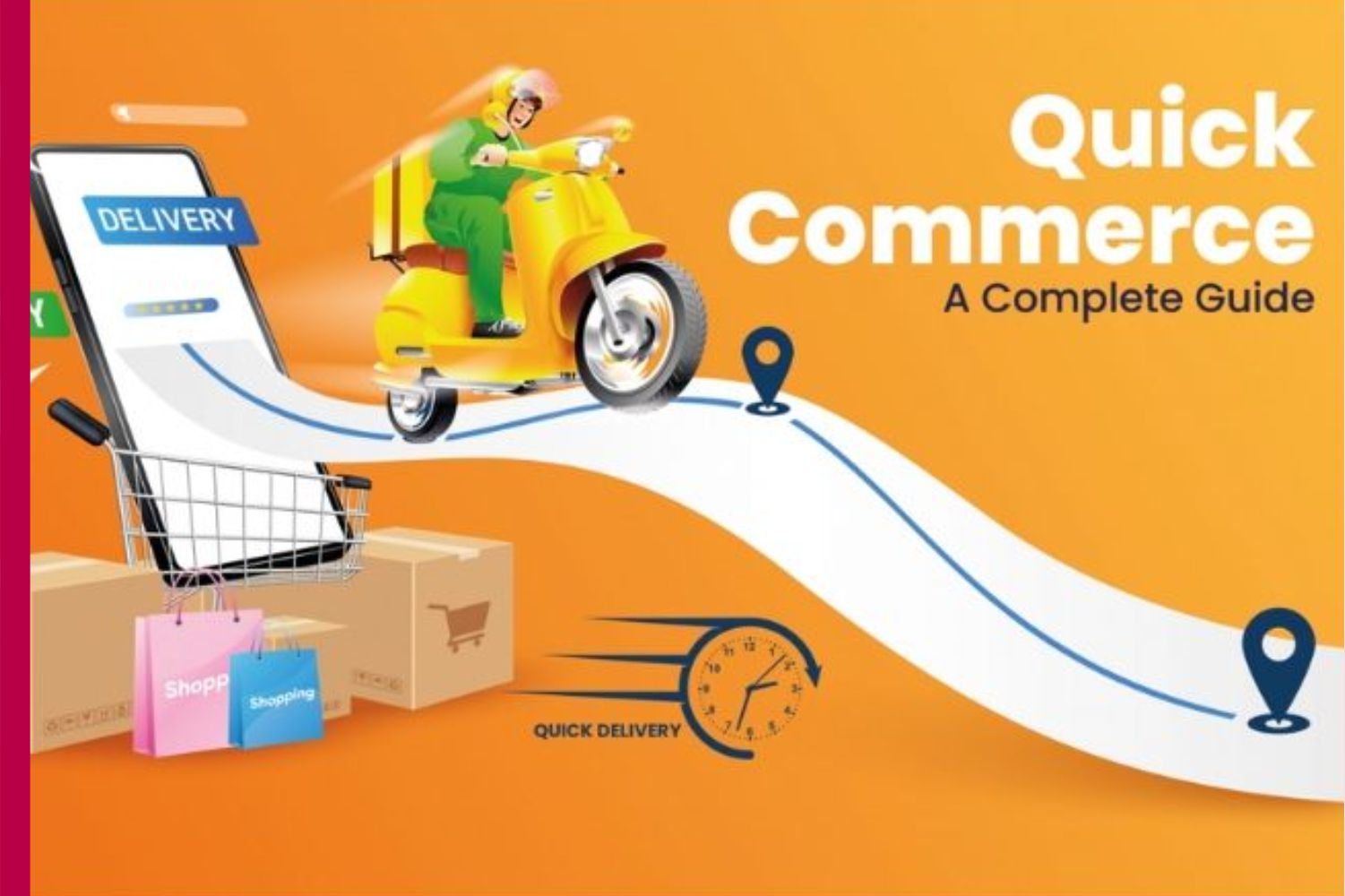
Quick commerce has added another dimension to the industry. The expectation of receiving everyday products within a short period has encouraged businesses to develop local fulfilment centres, improve inventory forecasting, and redesign last-mile delivery. This convenience can be valuable, but companies must balance speed with worker safety, operational costs, and sustainable business models.
Artificial intelligence is also changing the shopping experience. Recommendation systems can help customers discover products, while forecasting tools can support stock management and demand planning. Yet personalisation must be balanced with privacy, transparency, and meaningful customer choice.
For small businesses, e-commerce creates opportunities that were once difficult to access. Artisans, regional food producers, independent designers, and emerging brands can connect with wider audiences. Their success depends not only on visibility but also on product quality, pricing, fulfilment, customer service, and the ability to build a recognisable identity.
The future of e-commerce will not be determined by sales growth alone. It will depend on whether digital platforms create value for consumers, sellers, employees, and the wider economy. The strongest marketplaces will be those that combine convenience with accountability and technological innovation with lasting trust.