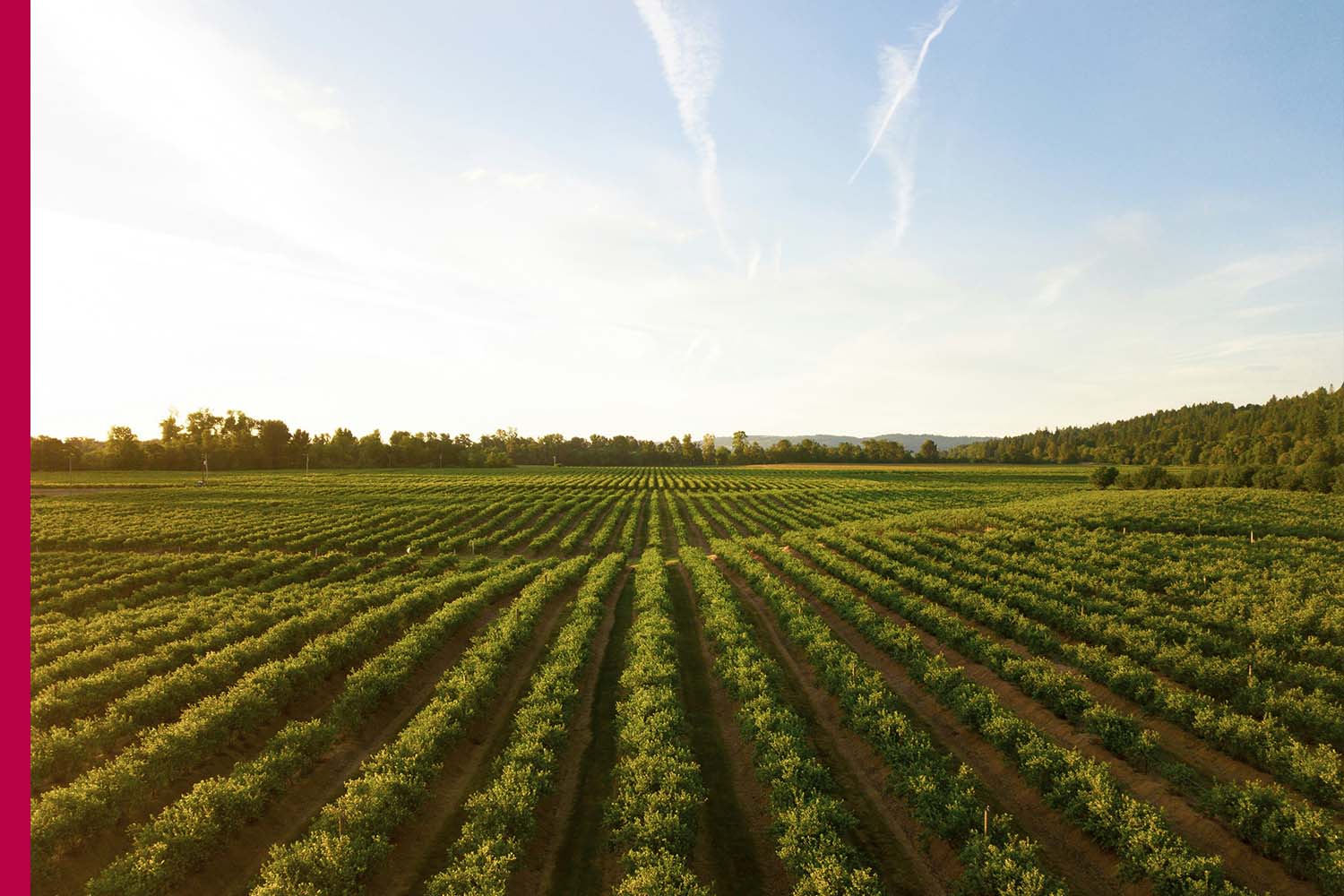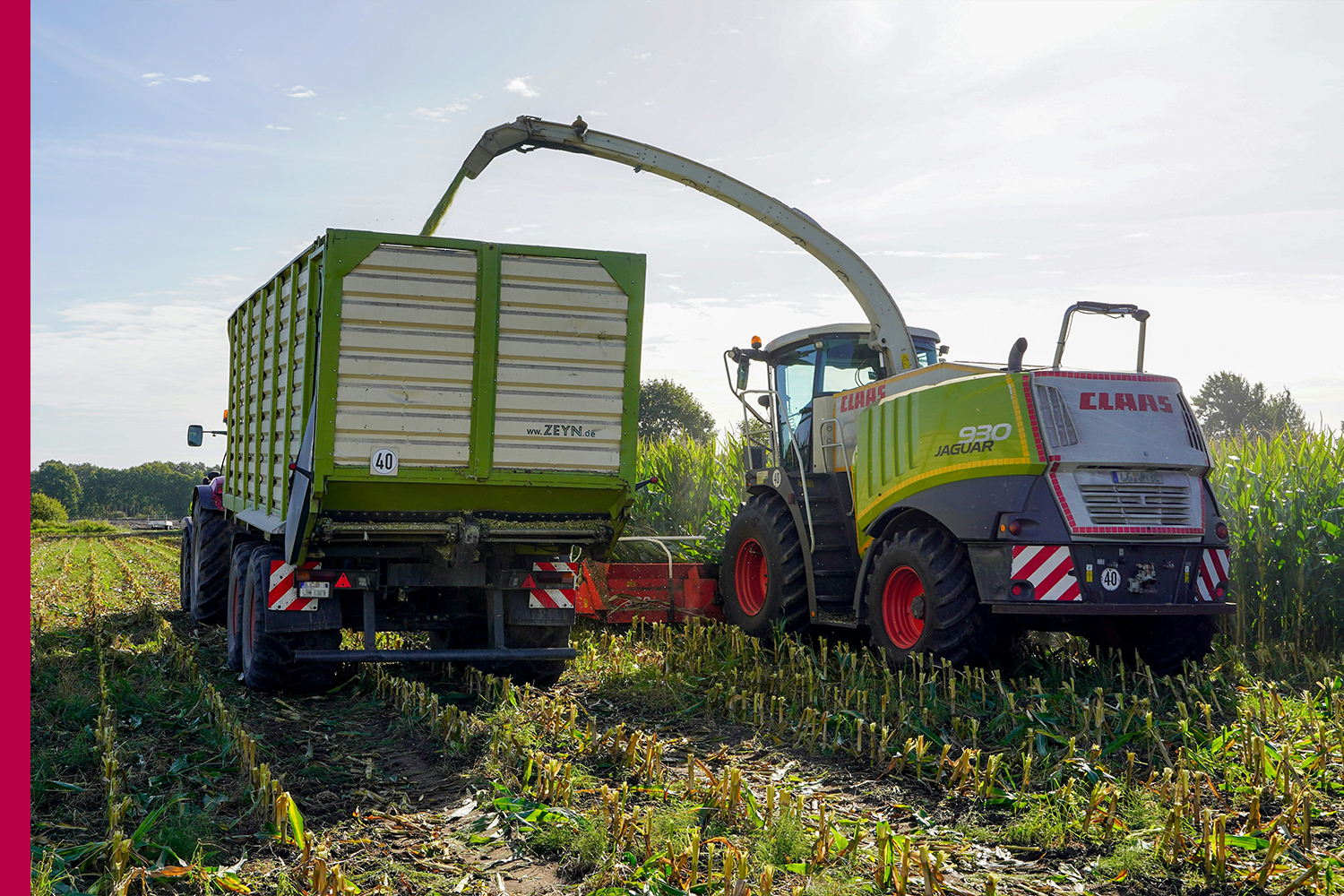




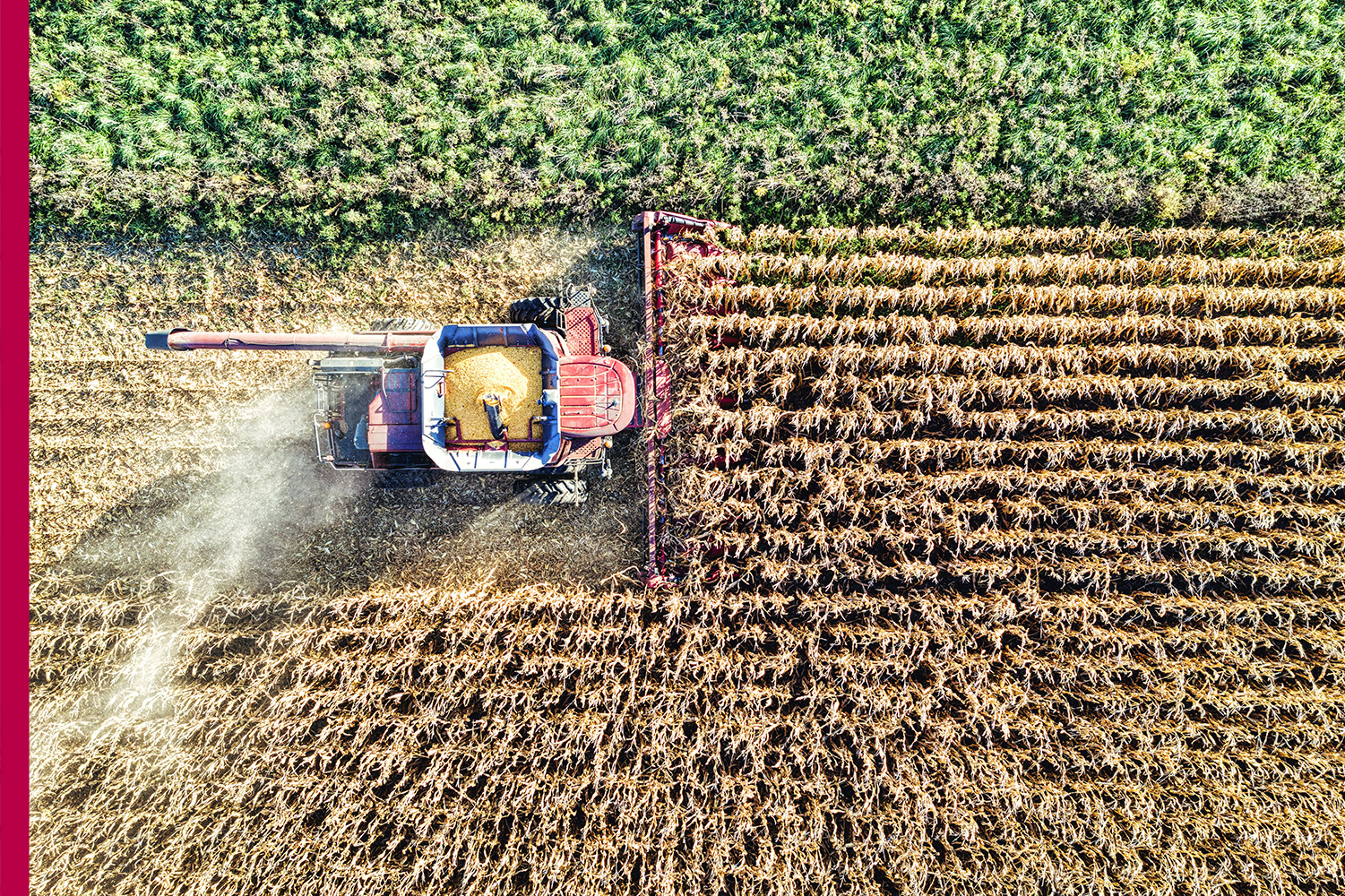
Agriculture has always depended on observation. Farmers study the colour of leaves, the condition of the soil, the movement of clouds, and the behaviour of crops to decide what their fields need. AgriTech is extending this traditional knowledge with digital tools, scientific research, and data-driven systems that can help farmers make more informed decisions.
Agricultural technology brings together several fields, including artificial intelligence, robotics, satellite imaging, biotechnology, precision irrigation, farm-management software, and digital marketplaces. Its purpose is not simply to introduce technology into farming. At its best, AgriTech helps solve practical problems: reducing waste, improving productivity, using water more efficiently, identifying crop diseases earlier, and connecting farmers with useful information and markets.
One important development is precision agriculture. Instead of treating an entire field as if every section were identical, precision tools can help identify differences in soil conditions, moisture levels, crop growth, and nutrient requirements. Sensors and satellite imagery provide information that can guide irrigation, fertilisation, and crop monitoring. When used appropriately, these insights can reduce unnecessary input use and help farmers respond to problems before they become more serious.
Artificial intelligence is creating further possibilities. Image-recognition systems can assist in identifying visible signs of pests or diseases, while predictive models can analyse weather patterns and historical information to support planning. Agricultural robots may assist with tasks such as weeding, harvesting, and monitoring crops. These applications continue to develop, and their usefulness depends on the quality of the data, local farming conditions, affordability, and the availability of reliable technical support.
Digital platforms are also changing the relationship between producers and markets. Farmers may use online services to access weather updates, compare prices, arrange transport, obtain agricultural advice, or reach potential buyers. In some settings, digital finance and traceability tools can improve access to services and help businesses track products through supply chains. However, benefits depend on connectivity, usability, trust, and fair access to the platforms involved.
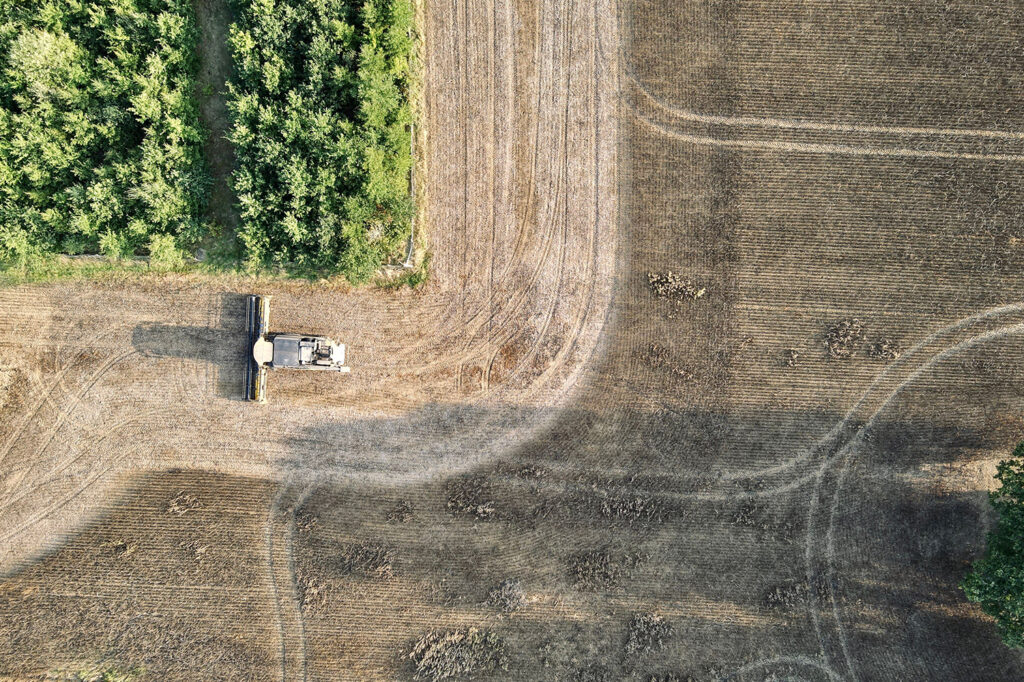
The sector faces important challenges. Advanced equipment and software can be expensive, particularly for small-scale farmers. Limited internet access, language barriers, insufficient training, and concerns about data ownership can prevent people from benefiting fully. Technology designed without an understanding of local needs may create complexity instead of solving problems. For this reason, affordable tools, farmer education, inclusive design, and dependable support are essential to successful adoption.
AgriTech also requires a realistic understanding of what technology can achieve. Digital tools cannot eliminate every effect of drought, extreme weather, market instability, or poor infrastructure. They work best as part of a broader system that includes agricultural research, sound public policy, financial support, strong rural networks, and practical farming expertise.
The greatest opportunity lies in making innovation accessible. A sophisticated system that only a small number of farms can afford may have limited impact, while a simple, reliable tool that helps thousands of farmers make better decisions can deliver substantial value.
AgriTech represents a meeting point between the wisdom of the field and the possibilities of modern science. Its success will be determined not by how advanced a technology appears, but by whether it improves real agricultural outcomes, strengthens farmers’ livelihoods, and helps build a more resilient food system.