



Agriculture is one of humanity’s oldest and most essential pursuits. Long before modern cities, global markets, and industrial economies emerged, farming provided the foundation on which communities could grow. Today, agriculture remains central to food security, employment, rural livelihoods, and environmental stewardship. Yet the industry is entering a period of profound change as farmers respond to shifting climates, evolving consumer needs, and increasing pressure on natural resources.
At its heart, agriculture is an industry of patience and judgment. Every planting season involves decisions about soil, water, seeds, weather, labour, and markets. The results are influenced by forces that farmers cannot always control. Droughts, floods, pests, rising input costs, and unpredictable prices can threaten livelihoods even after months of careful work. Supporting farmers therefore requires more than improving crop yields; it requires strengthening the systems that help agricultural communities remain resilient.
Technology is becoming an increasingly important part of this transformation. Precision farming uses data, sensors, satellite imagery, and digital tools to help farmers understand their fields and use resources more efficiently. Weather forecasting can support planting decisions, while improved irrigation systems help reduce water waste. Mechanisation can ease labour-intensive work, and better storage and transportation can prevent valuable produce from being lost after harvest.
However, innovation does not replace the knowledge farmers have developed through experience. Local understanding of soil, seasonal patterns, crop varieties, and community needs remains invaluable. The most effective agricultural progress combines scientific research with practical knowledge, ensuring that new solutions are suitable for the people expected to use them.
Sustainability is another defining priority. Healthy soil, responsible water management, biodiversity, and carefully planned crop rotation can help protect the foundations of long-term food production. Practices such as agroforestry, conservation agriculture, and integrated pest management offer ways to balance productivity with environmental responsibility. Their success depends on local conditions, access to training, financial resources, and the ability to adapt methods to individual farms.
Agriculture also extends far beyond the farm gate. Food processors, transport operators, retailers, researchers, financial institutions, and policymakers all influence how agricultural value is created and distributed. Strong supply chains can connect producers with markets, while transparent pricing and accessible finance can help farmers plan for the future. Greater investment in rural infrastructure can improve access to education, healthcare, storage facilities, and digital connectivity.
For younger generations, agriculture offers opportunities in entrepreneurship, agricultural science, food technology, logistics, sustainability, and rural innovation. Making the sector more attractive requires better access to knowledge, modern tools, fair opportunities, and pathways for young people to build viable businesses.
The future of agriculture will not be measured solely by how much food the world produces. It will also depend on whether farming communities can prosper, natural resources can be protected, and nutritious food can reach people reliably.
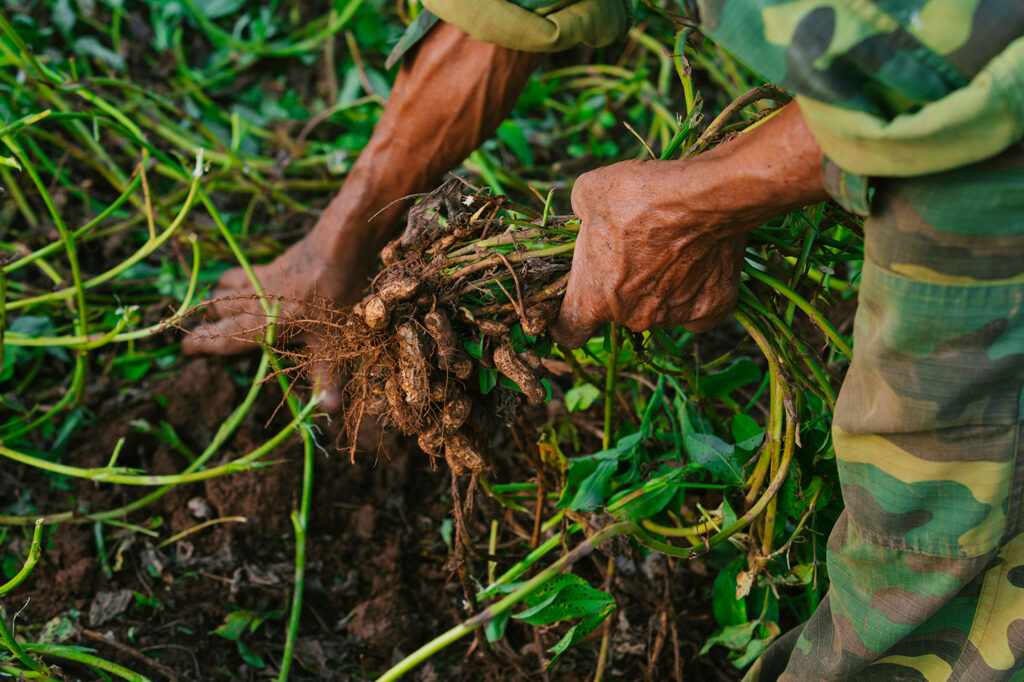
Agriculture is both a livelihood and a legacy. By combining tradition with thoughtful innovation, society can help ensure that the hands cultivating the land today continue to nourish generations tomorrow.