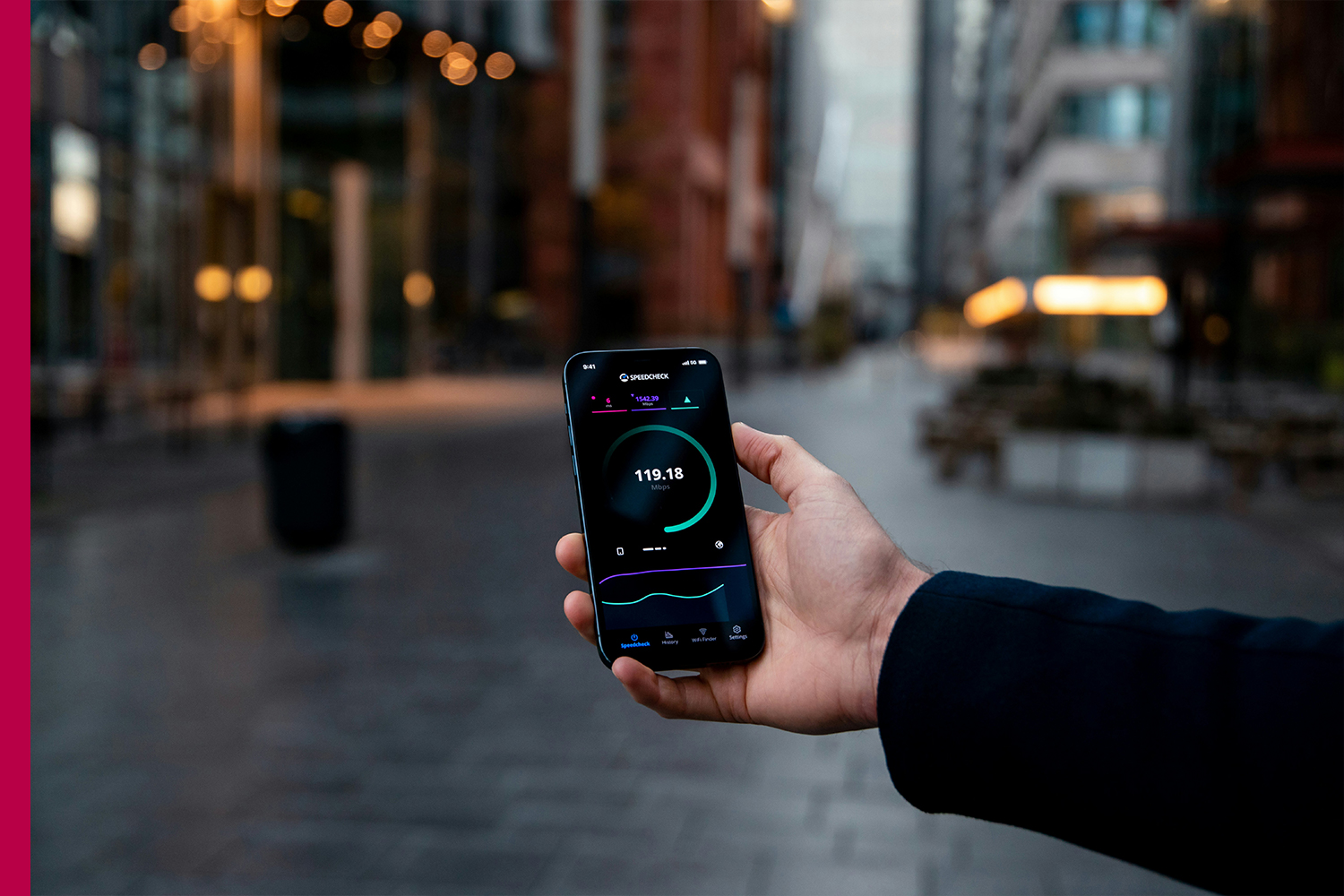




Technology has changed the meaning of distance. A business owner in a small town can now communicate with international clients, a student can access lectures from leading institutions around the world, and a research team can collaborate across continents without sharing the same physical space. What once required extensive infrastructure and substantial resources can increasingly be accomplished through digital platforms. The result is a world in which technological capability is becoming a major influence on global opportunity.
This transformation is not simply about faster communication. It is changing how countries compete, how businesses expand, and how societies participate in the global economy. Nations are investing in semiconductor manufacturing, artificial intelligence, telecommunications, cybersecurity, and digital infrastructure because these capabilities increasingly influence economic strength and strategic independence.
For businesses, digital connectivity has opened international markets to organisations of different sizes. Cloud-based systems allow teams to collaborate remotely, digital payment platforms facilitate transactions, and online marketplaces help businesses introduce products to customers beyond their domestic markets. Small enterprises can build international visibility without necessarily establishing physical offices in every country they serve. However, entering global markets still requires cultural understanding, regulatory awareness, reliable service, and the ability to build trust across different communities.
Artificial intelligence is accelerating this shift. Businesses can analyse international market trends, automate repetitive processes, translate information, and improve customer support through intelligent tools. Healthcare researchers can collaborate across borders, while educational institutions can distribute learning resources to students in different regions. These applications demonstrate how technology can connect knowledge and expertise that might otherwise remain separated.
Yet a connected world does not automatically create an equal world. Reliable internet access, affordable devices, digital literacy, and technical education remain unevenly distributed. Communities without adequate infrastructure may struggle to benefit from opportunities available elsewhere. Closing this digital divide requires coordinated investment from governments, businesses, educational institutions, and development organisations.
Cybersecurity has also become a matter of international importance. Digital attacks can disrupt essential services, expose personal information, damage businesses, and undermine public confidence. As societies become more dependent on interconnected systems, protecting digital infrastructure requires cooperation, effective security practices, and responsible information management.
Another challenge involves the movement of work across borders. Remote employment creates opportunities for professionals to work with international organisations, but it also introduces competition and changing expectations. Workers must continually develop their skills, while employers must create fair working environments that account for different locations, cultures, and employment conditions.
The environmental cost of technology deserves attention as well. Data centres, electronic devices, and digital infrastructure require energy and materials. Responsible innovation must therefore consider energy efficiency, electronic waste, product lifecycles, and sustainable resource use.
The next phase of global technology will be defined by more than technical advancement. It will depend on how countries and organisations balance innovation with security, accessibility, fairness, and accountability.
A truly connected world is not simply one where information moves instantly. It is one where technology enables people to exchange knowledge, participate in economic progress, and develop solutions to shared challenges. The greatest measure of global technological progress will be the opportunities it creates for humanity as a whole.