




The Future of Technology
How Intelligent Systems Are Reshaping Everyday Life and Business
Technology has become one of the most influential forces shaping the modern world. It affects how people communicate, learn, work, travel, access healthcare, and conduct business. As artificial intelligence, cloud computing, connected devices, and advanced automation continue to develop, technology is moving beyond a supporting role and becoming central to economic growth and social transformation.
Artificial intelligence is among the most significant developments. Modern AI systems can assist with writing, research, software development, data analysis, customer support, and decision-making. Businesses are exploring these applications to improve productivity, reduce repetitive work, and provide more responsive services. At the same time, AI outputs require appropriate human review, particularly when decisions affect safety, finances, employment, or personal rights.
Cloud computing has also transformed how organisations operate. Instead of maintaining all their computing infrastructure locally, businesses can access computing power, storage, and software through online services. This can make it easier to scale operations, support remote teams, and deploy new applications. However, organisations must consider service reliability, data security, privacy, and long-term operating costs.
Cybersecurity has become increasingly important as digital systems connect more aspects of daily life. Businesses, governments, hospitals, and individuals face risks from phishing, data theft, ransomware, and other forms of cybercrime. Protecting digital assets requires secure authentication, regular software updates, employee awareness, reliable backups, and well-prepared incident response plans.
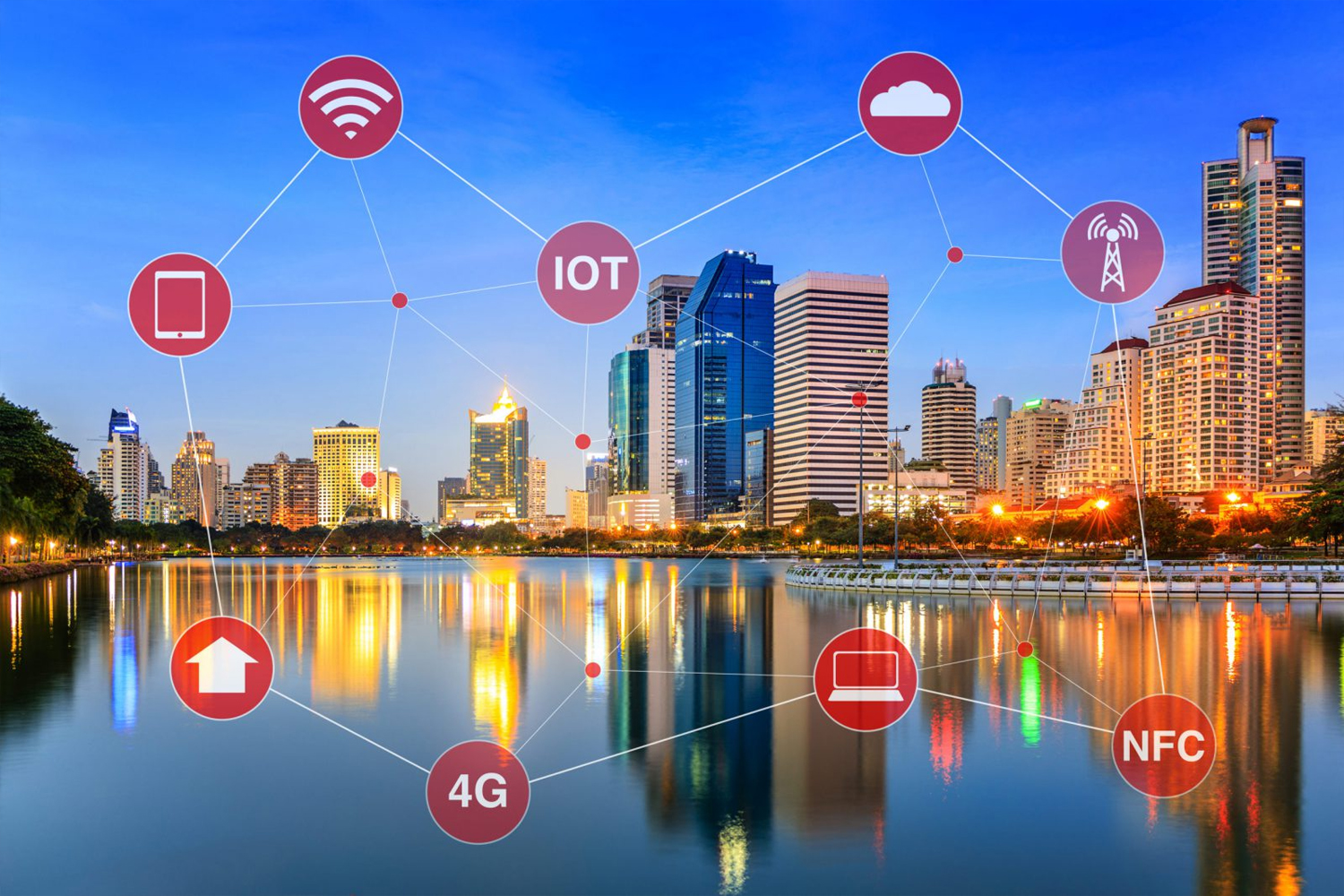
The Internet of Things is expanding connectivity between physical devices. Smart sensors can monitor industrial equipment, buildings, vehicles, agricultural systems, and household appliances. These connections can improve efficiency and provide useful information, but they also create additional security and maintenance responsibilities.
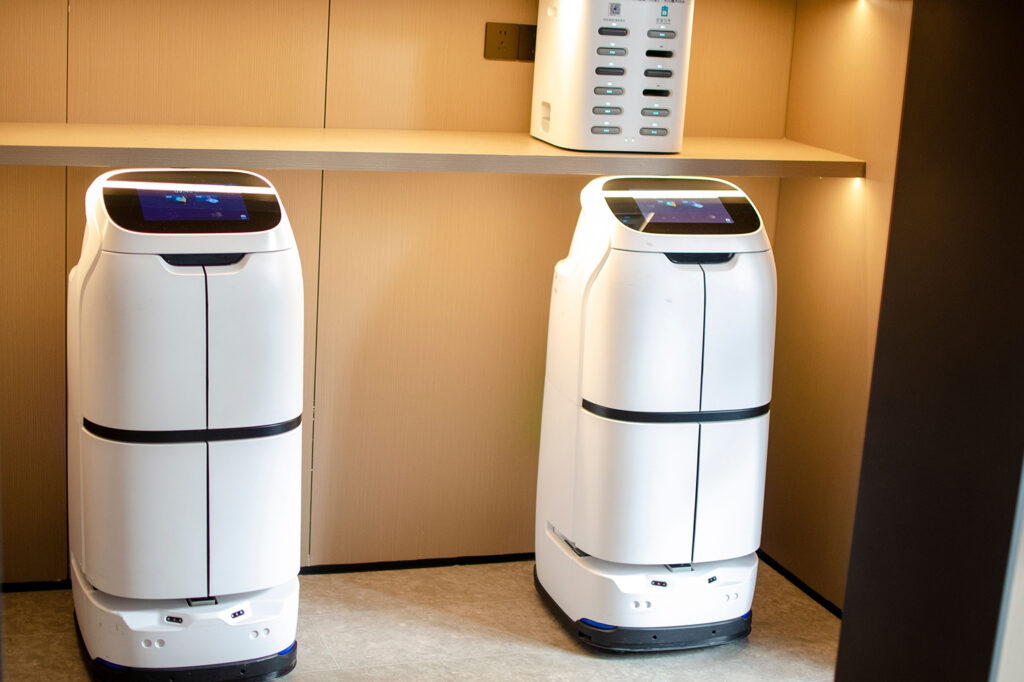
Another major trend is the growth of automation. Software systems and intelligent machines can handle repetitive tasks, support quality control, and improve operational consistency. Rather than eliminating the need for human expertise, many applications change the types of skills employees require. Analytical thinking, communication, creativity, and the ability to work with digital systems are becoming increasingly valuable.
Technology is also influencing healthcare and education. Digital health platforms can support remote consultations and health information management, while educational technologies provide flexible access to learning resources. Their effectiveness depends on accessibility, professional oversight, reliable infrastructure, and the protection of sensitive information.
The development of emerging technologies continues to create opportunities. Advances in robotics, advanced materials, biotechnology, and quantum computing may influence industries in different ways over time. Some applications are already practical, while others remain experimental and require further research before their wider impact becomes clear.
A major challenge is ensuring that technological progress benefits society broadly. Differences in internet access, digital skills, affordability, and infrastructure can prevent some communities from participating fully in the digital economy. Accessible design, education, and investment in digital infrastructure can help reduce these gaps.
Responsible technology development also requires attention to privacy, bias, transparency, and accountability. Organisations must consider not only what a system can do but also how it may affect users and communities. Clear governance and meaningful human oversight are essential when technology influences important decisions.
The future of technology will not be determined by innovation alone. It will depend on how effectively people apply new capabilities to real problems while managing risks responsibly.
Technology is most valuable when it expands human potential, improves access to opportunities, and makes essential services more effective. The organisations and communities that combine technical progress with ethical judgement and continuous learning will be better positioned to thrive in the digital age.