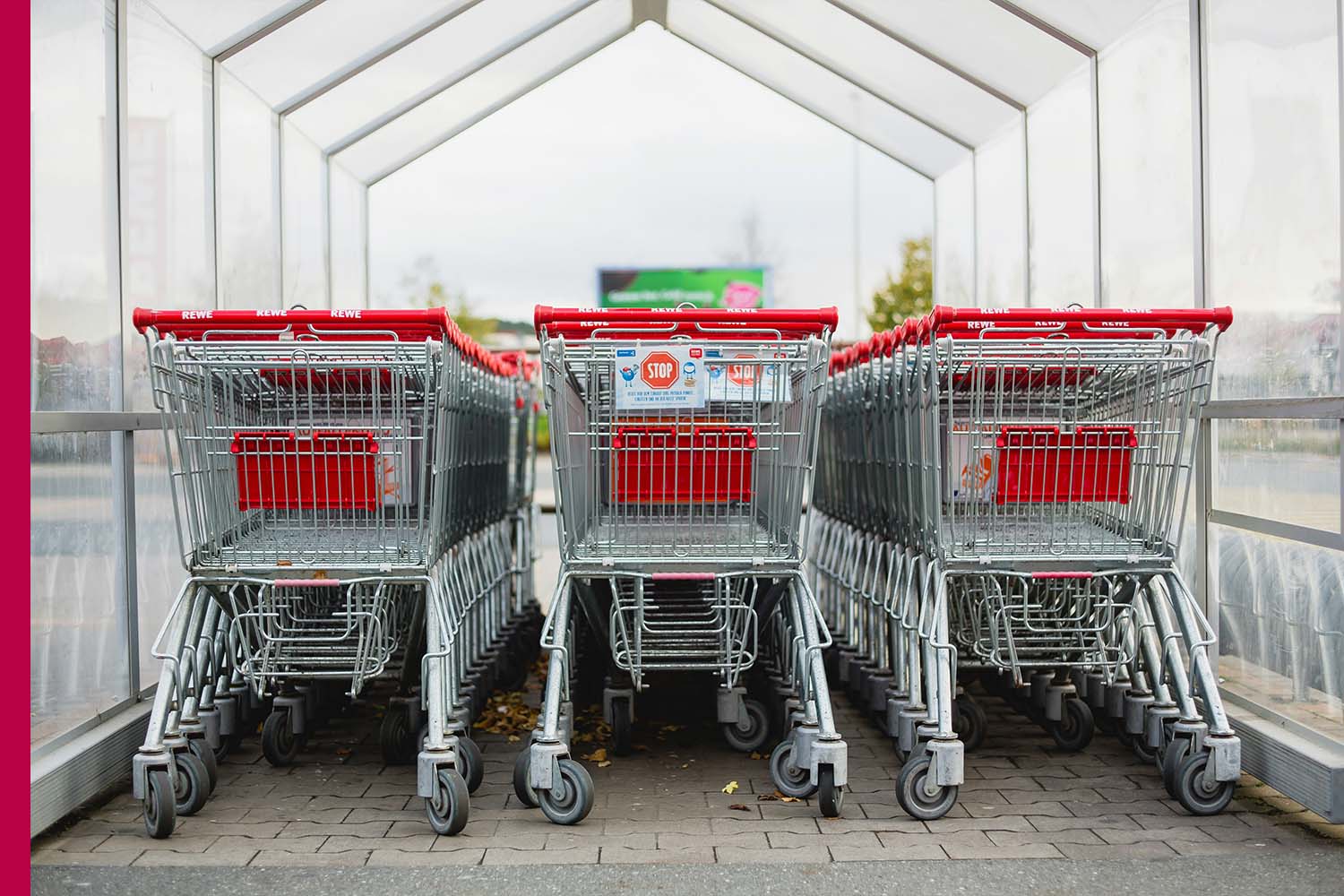





The Future of Retail
How Omnichannel Experiences and AI Are Transforming Shopping
The retail industry is undergoing a major transformation as digital commerce, changing consumer expectations, and intelligent technologies reshape the shopping experience. Customers now interact with brands through physical stores, websites, mobile applications, social media, and online marketplaces. Retailers must therefore create connected experiences that allow consumers to discover, compare, purchase, and receive products conveniently.
One of the most significant developments is omnichannel retail. Rather than treating online and offline shopping as separate activities, businesses are connecting them through integrated inventory systems, consistent pricing, digital loyalty programmes, and flexible fulfilment options. Customers may research products online, examine them in a store, and complete their purchases through a mobile application.
Artificial intelligence is becoming an important tool for retail operations. AI-powered systems can analyse sales patterns, customer preferences, and inventory information to support demand forecasting and stock management. Better forecasting can help retailers reduce product shortages, avoid excessive inventory, and respond more quickly to changing consumer behaviour.
Personalisation is another major trend. Digital platforms can use customer preferences and previous interactions to recommend relevant products, offer tailored promotions, and improve product discovery. When used transparently and responsibly, these features can make shopping more convenient. Retailers must also respect privacy and ensure that customer information is protected.
Social commerce is changing how consumers discover products. Social media platforms increasingly allow people to explore products through videos, creator recommendations, live demonstrations, and direct shopping features. For retailers, these channels create opportunities to connect with audiences in more interactive ways. However, effective social commerce requires credible product information, clear pricing, reliable fulfilment, and responsive customer service.
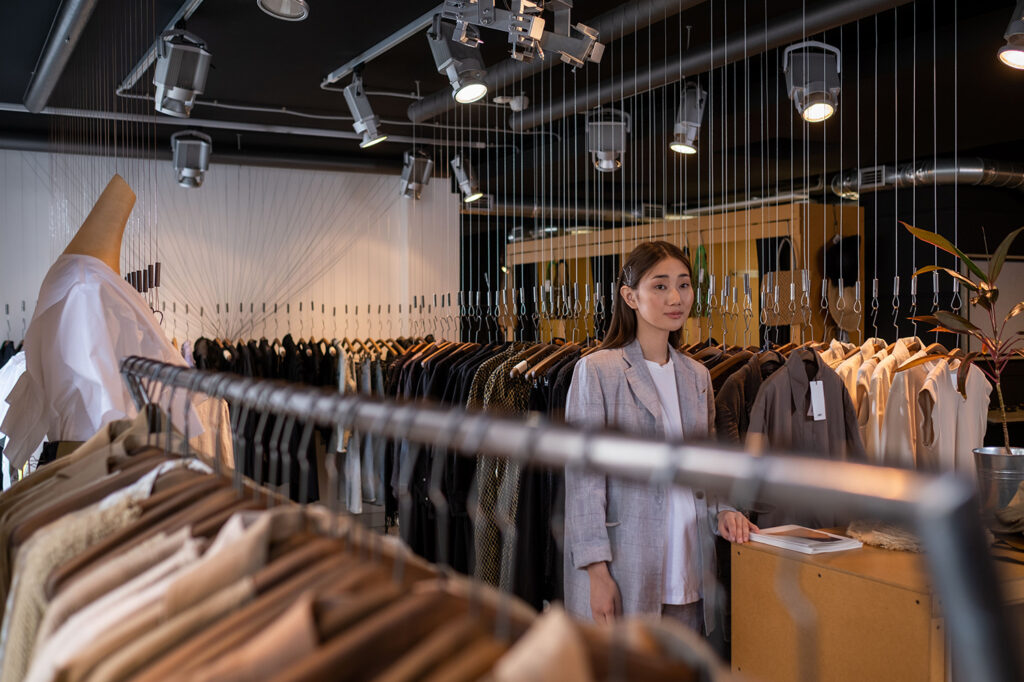
Physical stores continue to play an important role despite the growth of e-commerce. Customers value the ability to examine products, receive advice, try items, and take purchases home immediately. Retailers are therefore redesigning stores to offer more than shelves and payment counters. Demonstration areas, personalised assistance, interactive displays, and convenient collection points can help create more engaging experiences.
Supply chain efficiency is another key priority. Retailers must coordinate suppliers, warehouses, transportation, and stores to maintain product availability. Real-time inventory visibility and improved forecasting can support better planning, particularly during seasonal demand peaks and promotional periods. Delivery speed remains important, but accuracy and reliability are equally essential to customer satisfaction.
Sustainability is increasingly influencing retail strategies. Businesses are exploring recyclable packaging, reduced food waste, responsible sourcing, energy-efficient stores, and product repair or resale programmes. Consumers’ expectations vary across markets, but transparency about materials, sourcing, and environmental claims is becoming increasingly important.
Retailers also face continuing challenges. Price competition, rising operating costs, cybersecurity risks, changing consumer spending, and complex returns processes can put pressure on profitability. Companies must balance competitive pricing with service quality and sustainable business practices.
Employee development remains essential as retail becomes more technology-driven. Store teams increasingly need skills in digital systems, customer engagement, inventory management, and omnichannel fulfilment. Technology can automate certain tasks, but knowledgeable employees remain important for resolving problems and building customer relationships.
The future of retail will be shaped by the successful integration of digital convenience and human connection. Retailers that understand their customers, manage inventory intelligently, protect personal information, and deliver reliable service will be better positioned to compete.
Shopping may become increasingly digital, but its fundamental purpose remains unchanged: helping people find products that meet their needs and providing an experience worth returning to. The retailers that combine innovation with trust and convenience will help define the next era of commerce.