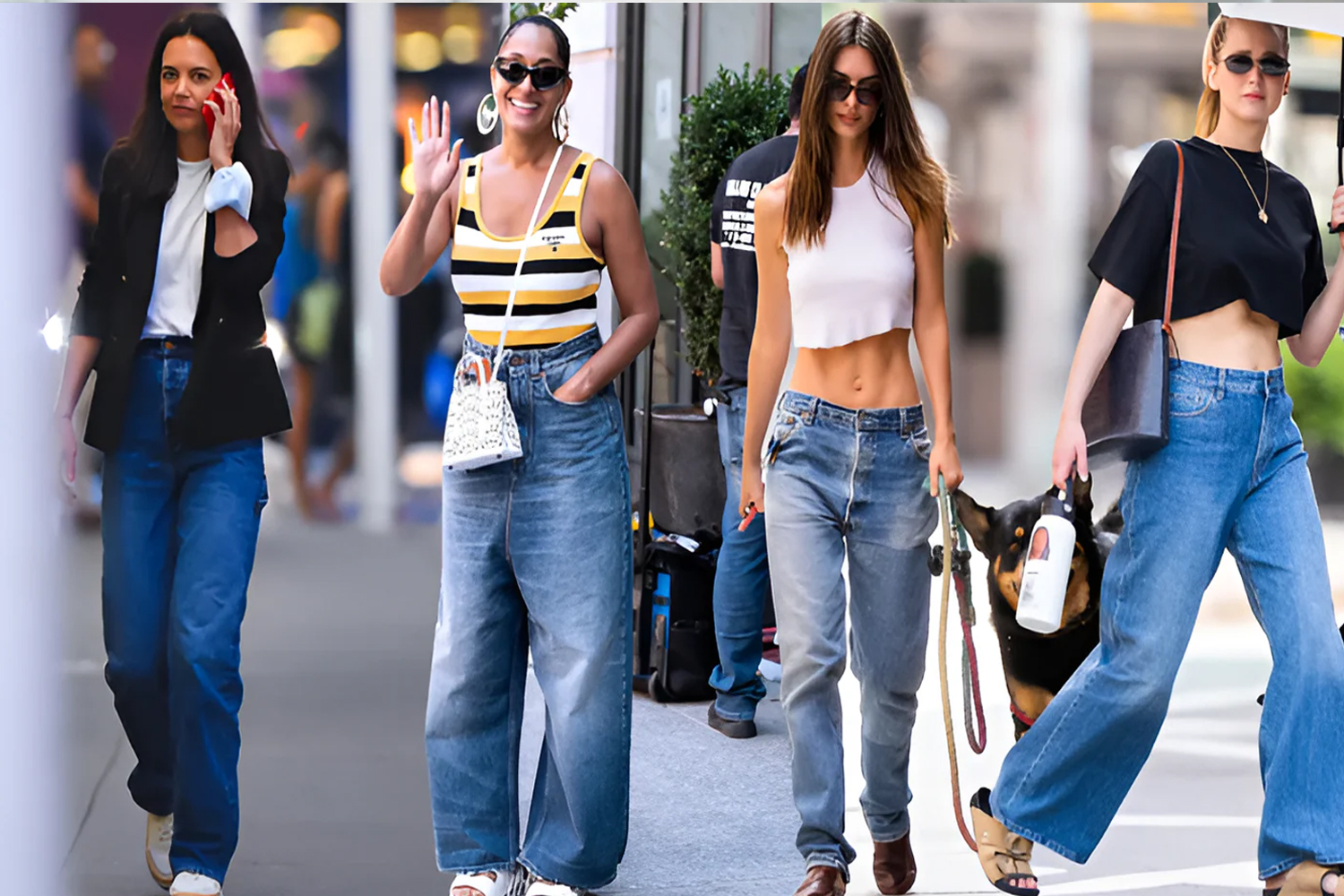





Fashion has always reflected the values, aspirations, and identities of the societies in which it develops. Today, the industry is navigating a period of change shaped by sustainability concerns, digital technology, shifting consumer behaviour, and a renewed interest in individual expression. Clothing is no longer viewed only through the lens of seasonal trends. Increasingly, consumers are asking how garments are made, how long they will last, and what their purchasing decisions communicate.
One important development is the growing conversation around sustainable fashion. The production of clothing involves materials, water, energy, transportation, and labour. When garments are worn only briefly before being discarded, valuable resources are wasted. Designers and brands are therefore exploring durable construction, recycled fibres, responsible material sourcing, repair services, resale platforms, and clothing rental models. These approaches can help extend garment lifecycles, although their environmental benefits depend on how products are manufactured, transported, used, and ultimately disposed of.
Circular fashion is gaining attention as an alternative to the traditional model of producing, purchasing, and discarding clothing. Under circular approaches, garments are designed with longevity, repair, reuse, or recycling in mind. Second-hand fashion platforms and vintage shopping are also helping some consumers find distinctive clothing while extending the useful life of existing products. However, genuine progress requires more than attractive sustainability messaging. Brands must provide credible information about their materials, manufacturing practices, and environmental claims.
Technology is changing fashion design and retail. Digital design software allows designers to experiment with shapes, colours, and patterns before producing physical samples. AI-supported tools can assist with trend analysis, inventory planning, and product recommendations. Virtual fitting technologies may help shoppers understand how garments could look or fit, potentially reducing uncertainty during online purchases. These tools can improve efficiency, but their usefulness depends on accurate data and realistic representations of products.
Social media has also transformed how fashion trends emerge. Influencers, independent designers, celebrities, and everyday consumers can introduce styles to global audiences almost instantly. This creates opportunities for smaller brands to gain recognition without relying entirely on traditional advertising. At the same time, rapidly changing trends can encourage impulsive purchasing and create pressure to constantly update personal wardrobes.
Individual expression remains central to fashion’s appeal. Many consumers are exploring styles that reflect their identities, cultural backgrounds, and personal values rather than following a single dominant trend. Traditional textiles, regional craftsmanship, handmade accessories, and contemporary interpretations of heritage clothing can provide opportunities to celebrate cultural identity while supporting skilled artisans.

India occupies a distinctive position in this evolving industry. Its textile heritage, weaving communities, embroidery traditions, garment manufacturing capabilities, and growing independent-design scene offer considerable creative potential. Connecting traditional craftsmanship with contemporary design and responsible production can help Indian brands reach new audiences while supporting local expertise.
Nevertheless, the industry faces challenges involving labour conditions, material traceability, waste management, and the pressure to offer inexpensive products quickly. Addressing these issues requires collaboration among designers, manufacturers, retailers, policymakers, and consumers.
The future of fashion will not be defined by a single colour, silhouette, or seasonal collection. It will increasingly reflect a balance between creativity, functionality, cultural meaning, and responsibility.
Fashion’s greatest opportunity is to demonstrate that style and sustainability do not have to compete. Clothing can be expressive and innovative while also respecting the resources, skills, and people involved in its creation.