



E-commerce has transformed the way people discover, compare, and purchase products. What began as an alternative to traditional shopping has become an essential part of the global retail economy. Consumers now expect convenient ordering, transparent pricing, flexible payments, reliable delivery, and responsive customer service. As artificial intelligence, social commerce, and digital payment systems continue to develop, online retail is entering another period of significant change.
One of the most influential developments is the growing use of artificial intelligence. Online retailers can use AI-powered tools to improve product recommendations, analyse shopping patterns, assist customers, and forecast demand. Instead of presenting identical experiences to every visitor, platforms can organise product suggestions around browsing behaviour, preferences, and previous purchases. When implemented responsibly, this can make shopping more relevant and help customers find products more efficiently.
AI is also changing how businesses manage inventory and fulfil orders. Demand forecasting tools can help retailers anticipate purchasing trends, while automated systems can support warehouse operations and delivery planning. Better coordination between inventory, transportation, and customer-service systems may reduce delays and improve the overall shopping experience. Nevertheless, inaccurate forecasts, poor data, and unexpected market changes can still create operational problems.
Social commerce is another major development. Consumers increasingly discover products through short videos, creator recommendations, online communities, and social-media platforms. Shopping is becoming closely connected with entertainment and digital interaction. For businesses, this creates opportunities to demonstrate products, communicate brand values, and reach audiences through engaging content. However, brands must distinguish genuine customer engagement from short-lived attention and ensure that promotional claims remain honest.
The growth of digital payments has also contributed to e-commerce expansion. Mobile payment systems, digital wallets, and other electronic payment options can make transactions more convenient. In India, the wider adoption of digital payments has helped businesses serve customers who increasingly expect fast and familiar payment experiences. Yet merchants must remain alert to payment fraud, account compromise, disputes, and other security risks.
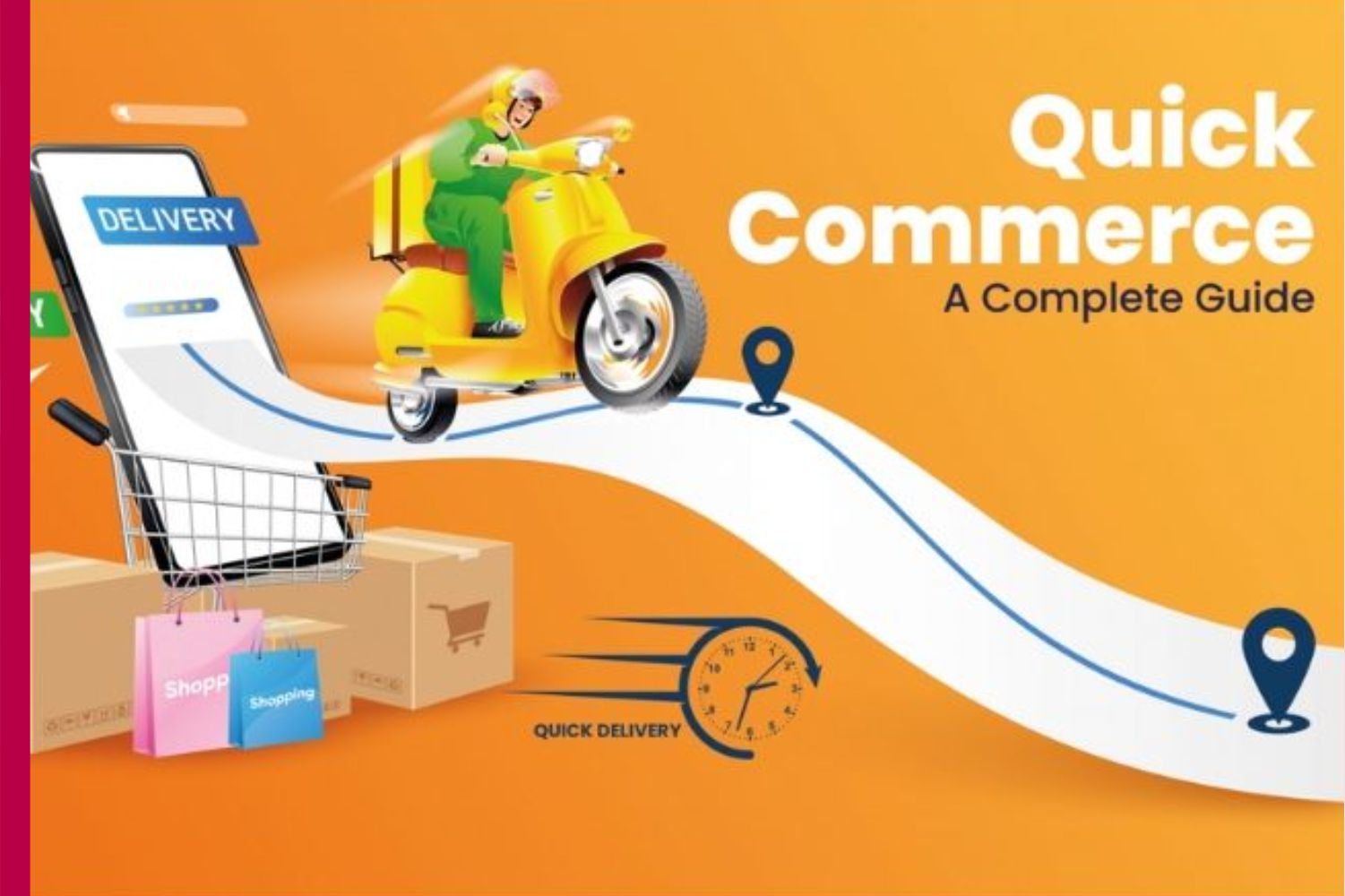
Delivery remains one of the most important factors influencing customer satisfaction. Consumers may appreciate attractive prices and convenient websites, but late shipments, damaged products, and complicated returns can quickly undermine trust. Retailers are therefore exploring improved logistics networks, better order tracking, local fulfilment centres, and more efficient reverse logistics. Sustainable packaging and more efficient delivery planning are also receiving attention as businesses evaluate their environmental responsibilities.

For small businesses, e-commerce can provide access to customers beyond their immediate geographic markets. Entrepreneurs can test products, build specialised audiences, and develop digital brands without relying entirely on physical storefronts. However, competition can be intense. Advertising costs, marketplace fees, price pressure, and customer-acquisition challenges can reduce profitability. Success requires more than simply listing products online.
Trust is becoming a decisive competitive advantage. Customers want accurate descriptions, clear pricing, secure payments, accessible support, and fair return policies. Businesses must also handle personal data carefully and comply with relevant consumer-protection requirements.
Looking ahead, the distinction between online and offline retail is likely to become less pronounced. Customers may discover products through social media, research them online, inspect them in stores, and complete purchases through whichever channel is most convenient.
The future of e-commerce belongs to businesses that combine technology with reliability and human understanding. Personalisation may attract customers, but consistent service, transparent practices, and genuine value are what encourage them to return.