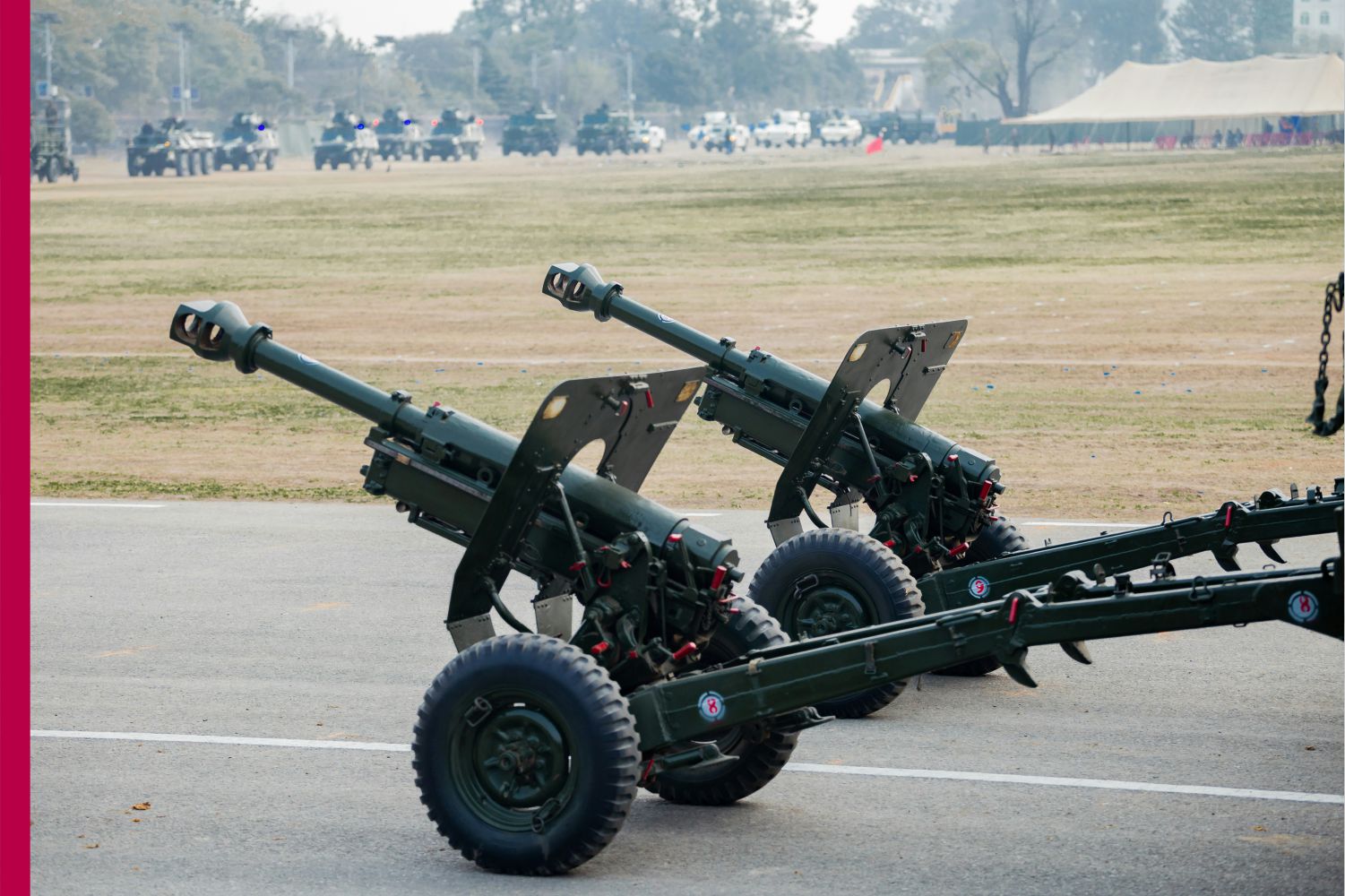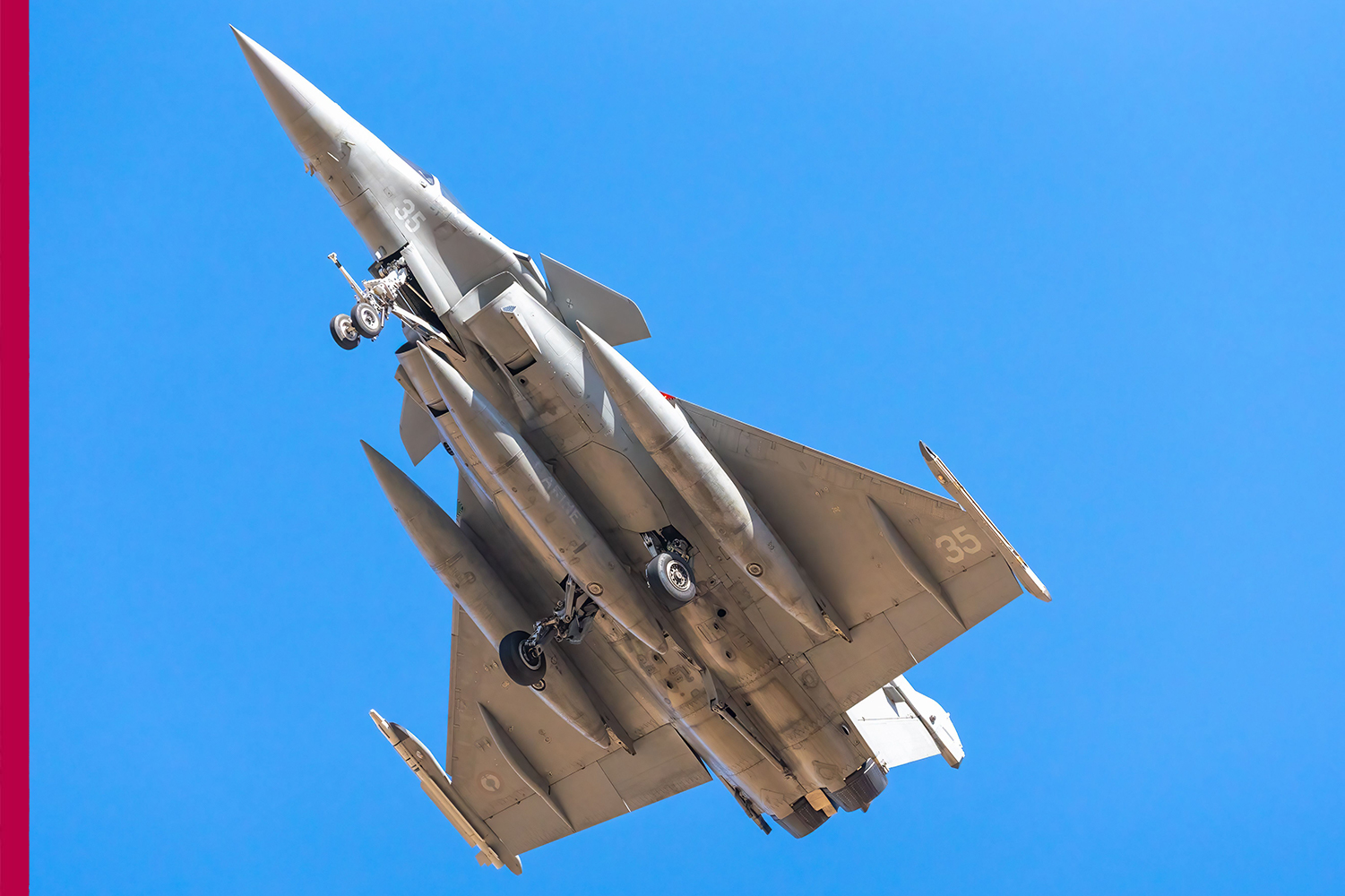




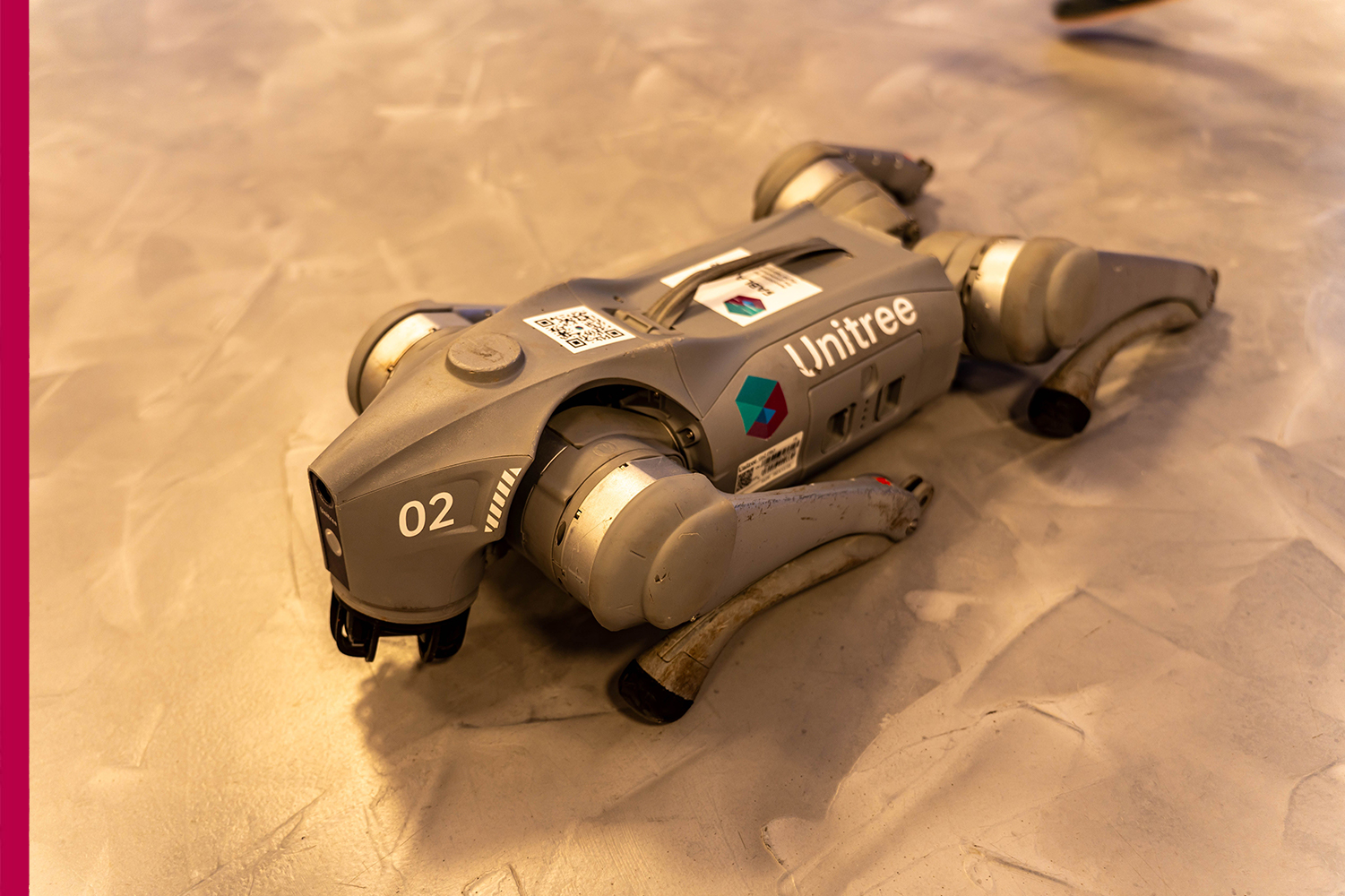
National defense is undergoing a significant transformation as countries invest in advanced technologies to address increasingly complex security challenges. While military strength was traditionally measured through personnel, weapons, and physical infrastructure, modern defense capabilities increasingly depend on intelligence, cybersecurity, autonomous systems, satellite communications, and the ability to analyse information quickly. The result is a new era in which technological readiness is becoming an essential component of national security.
Artificial intelligence is emerging as an important element of this transformation. Defense organisations generate enormous volumes of information through surveillance systems, satellites, communications networks, and intelligence operations. AI-powered analytical tools can help identify patterns, organise information, and support decision-making. When appropriately tested and supervised, these systems may help personnel process information more efficiently. However, the reliability of their recommendations depends on data quality, system design, and human oversight.
Autonomous and remotely operated systems are also changing defense planning. Uncrewed aerial vehicles, underwater platforms, and robotic systems can perform selected reconnaissance, inspection, logistics, and other tasks in environments that may be difficult or dangerous for personnel. These technologies can reduce exposure to certain risks, but they also introduce challenges involving reliability, communications, electronic interference, and accountability. Their effectiveness depends on careful integration with existing operations and established safety procedures.
Cybersecurity has become another central concern. Modern defense systems rely on digital networks to coordinate communications, logistics, infrastructure, and intelligence. A successful cyberattack can disrupt essential services without a conventional physical confrontation. Consequently, defense organisations must strengthen network security, protect sensitive information, identify vulnerabilities, and prepare to respond to digital threats. Cybersecurity is no longer simply an information-technology responsibility; it is an important part of operational resilience.
Space technology also plays a growing role in national security. Satellites support communications, navigation, weather forecasting, and observation. These services are important for both civilian and defense applications. Protecting space-based infrastructure and maintaining reliable access to satellite services have therefore become increasingly significant strategic priorities.
India’s defense ecosystem is also evolving through investments in domestic manufacturing, research, aerospace, electronics, and advanced engineering. Greater participation by Indian companies and research institutions can strengthen industrial capabilities, create specialised employment, and reduce dependence on selected foreign technologies. At the same time, developing sophisticated systems requires long-term investment, rigorous testing, skilled professionals, and reliable supply chains.
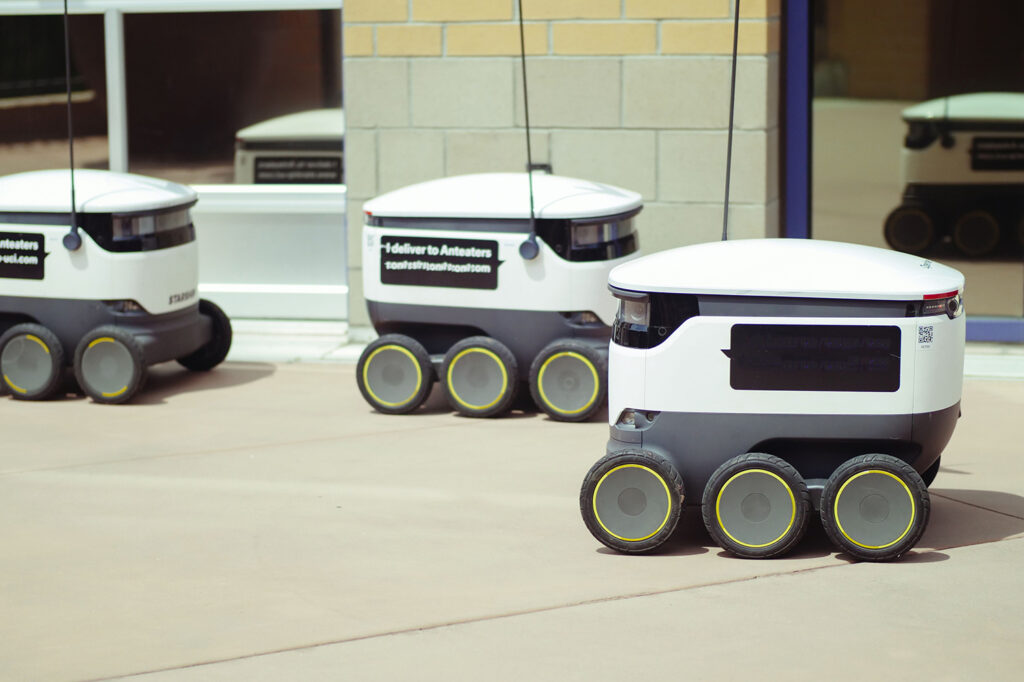
The expansion of defense technology raises important ethical and legal questions. AI-supported decisions involving force require careful consideration of human responsibility, international law, and civilian protection. Autonomous systems must be evaluated for safety, reliability, and accountability. Innovation should strengthen security without weakening the principles that govern responsible defense practices.
Another challenge is the speed of technological change. Equipment and software can become outdated rapidly, making continuous training, maintenance, research, and adaptation essential. Collaboration between engineers, scientists, military professionals, policymakers, and industry partners is increasingly important.
The future of defense will not depend on technology alone. Leadership, strategic judgement, disciplined personnel, international cooperation, and sound policy will remain indispensable.
Ultimately, modern defense is about combining technological capability with responsibility. Nations that develop secure, reliable, and adaptable systems while investing in people and institutions will be better positioned to navigate an increasingly complex security environment.