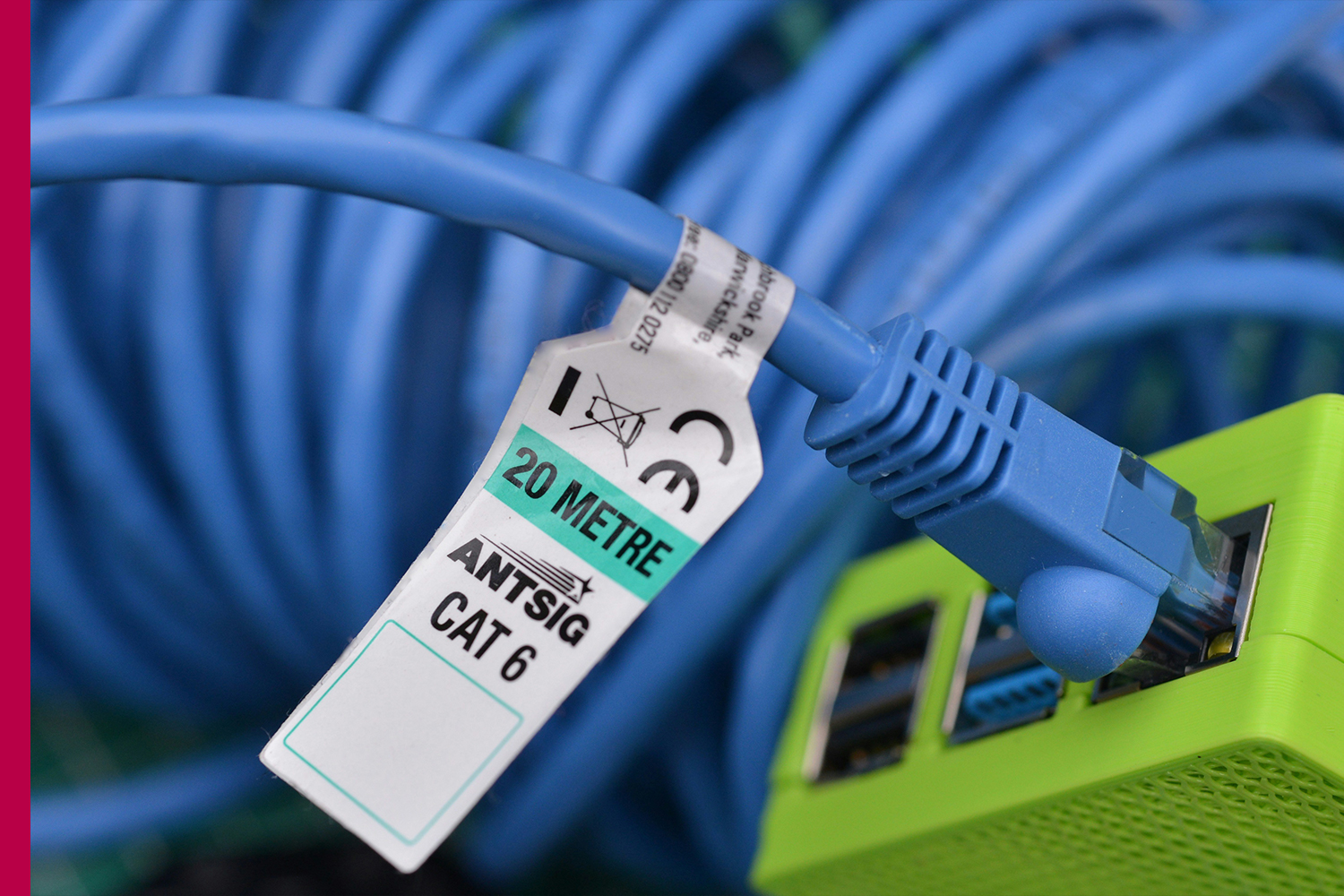





Connectivity has become one of the foundations of modern society. From online education and digital payments to remote healthcare and international business, reliable communication networks influence how people live, learn, work, and interact. As technologies such as 5G, satellite communications, Wi-Fi advancements, and the Internet of Things continue to develop, connectivity is expanding beyond connecting people to connecting machines, buildings, vehicles, and entire industrial systems.
The arrival of 5G has strengthened interest in faster mobile communication, greater network capacity, and lower latency in suitable conditions. These capabilities can support applications that require frequent data exchange, including industrial monitoring, connected transportation, immersive digital experiences, and certain remote-control systems. Actual performance depends on network coverage, spectrum availability, device capabilities, congestion, and local infrastructure. Even so, advanced mobile networks are creating opportunities for services that were previously difficult to deliver at scale.
The Internet of Things, commonly known as IoT, is another important part of the connected world. IoT devices use sensors and network connections to collect and exchange information. In agriculture, sensors can monitor soil moisture and environmental conditions. In manufacturing, connected equipment can help operators detect unusual performance and schedule maintenance. Smart buildings can use connected systems to manage lighting, temperature, and energy consumption. In healthcare, selected connected devices can help monitor health-related measurements, subject to appropriate clinical oversight and privacy safeguards.
Artificial intelligence is making these networks more useful. Rather than simply collecting information, connected systems can use AI to analyse data, identify patterns, and recommend actions. For example, a factory may combine machine sensors with predictive analytics to identify equipment that requires inspection. A logistics operator may use connected tracking devices and data analysis to improve shipment visibility. This combination of connectivity and intelligence is helping organisations make decisions with greater speed and context.
In India, digital connectivity has substantial social and economic importance. Online services can help people access education, banking, government information, and business opportunities. Connectivity also enables small enterprises to reach customers beyond their immediate communities. However, gaps in coverage, affordability, digital literacy, language accessibility, and device availability can limit these benefits. Expanding infrastructure must therefore be accompanied by efforts to make digital services accessible and understandable to diverse populations.

The connected world also introduces risks. Every additional device or network connection can create another potential entry point for cyberattacks. Weak passwords, outdated software, insecure devices, and poor data-management practices can expose individuals and organisations to harm. Privacy is especially important when connected systems collect location information, behavioural data, or sensitive personal measurements.
Businesses must consequently approach connectivity as a strategic responsibility rather than a simple technology upgrade. Effective implementation requires secure network design, clear data policies, employee training, reliable maintenance, and planning for system failures. Organisations should also ensure that new systems can communicate with existing infrastructure instead of creating disconnected digital islands.
Looking ahead, advances in satellite connectivity, network automation, edge computing, and future mobile-network generations may further expand access and performance. Yet progress should not be measured by speed alone.
The real achievement of connectivity is its ability to make information useful, services accessible, and collaboration possible. A truly connected world is one in which technology creates meaningful opportunities while protecting the people and communities who depend on it.