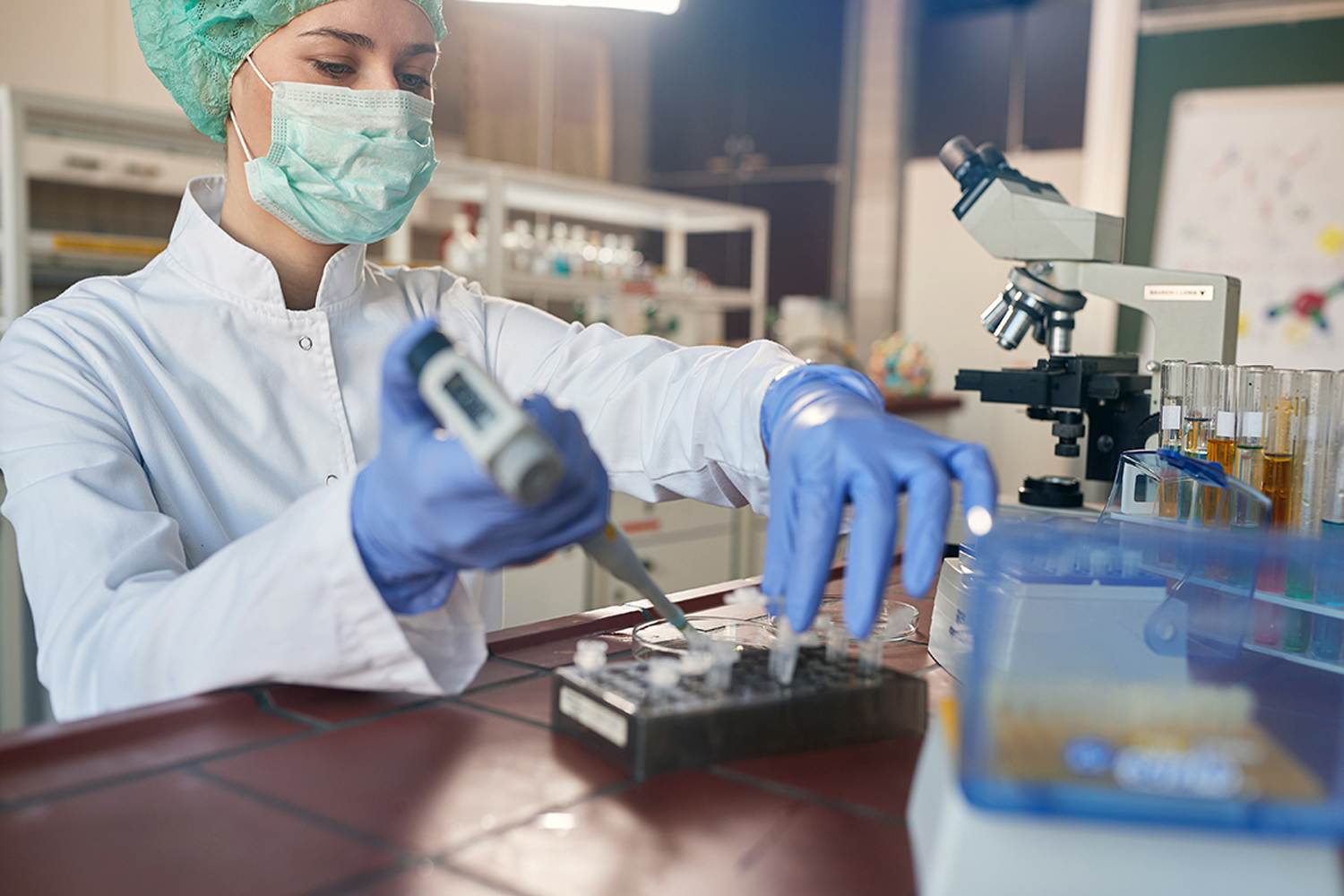




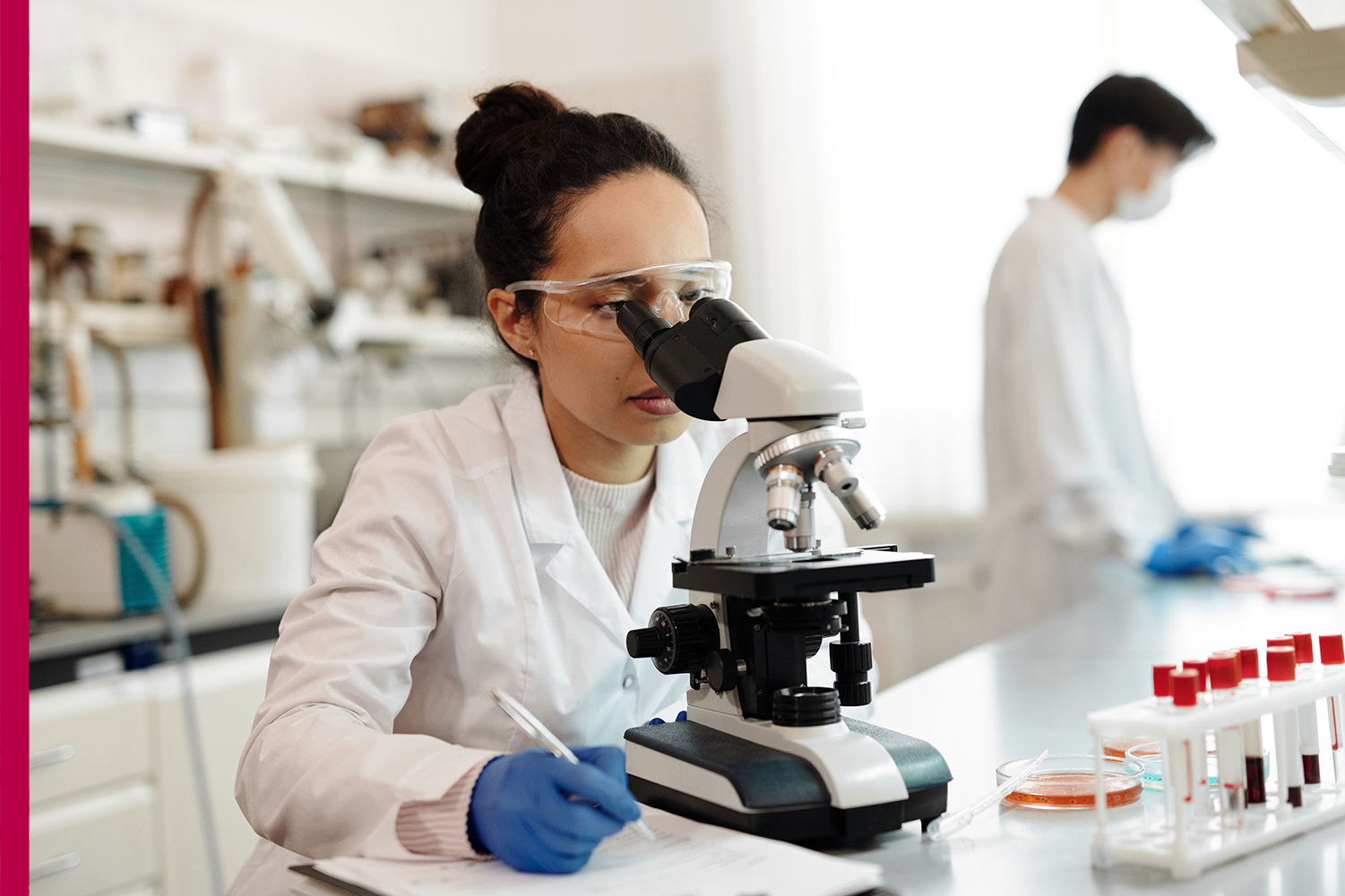
Biotechnology is becoming one of the most influential forces in modern science, offering new ways to understand disease, develop treatments, improve agriculture, and address environmental challenges. By combining biology with engineering, data science, and advanced laboratory techniques, biotechnology is helping researchers move beyond traditional approaches toward more precise and personalised solutions.
One of the most promising developments is personalised medicine. Historically, many treatments were designed around what worked for the average patient. However, individuals can respond differently to the same medication because of genetic variation, lifestyle, age, and other biological factors. Advances in genomics and molecular diagnostics are helping researchers understand these differences. As a result, healthcare professionals may be able to select treatments more effectively for certain diseases and identify risks earlier in a patient’s life.
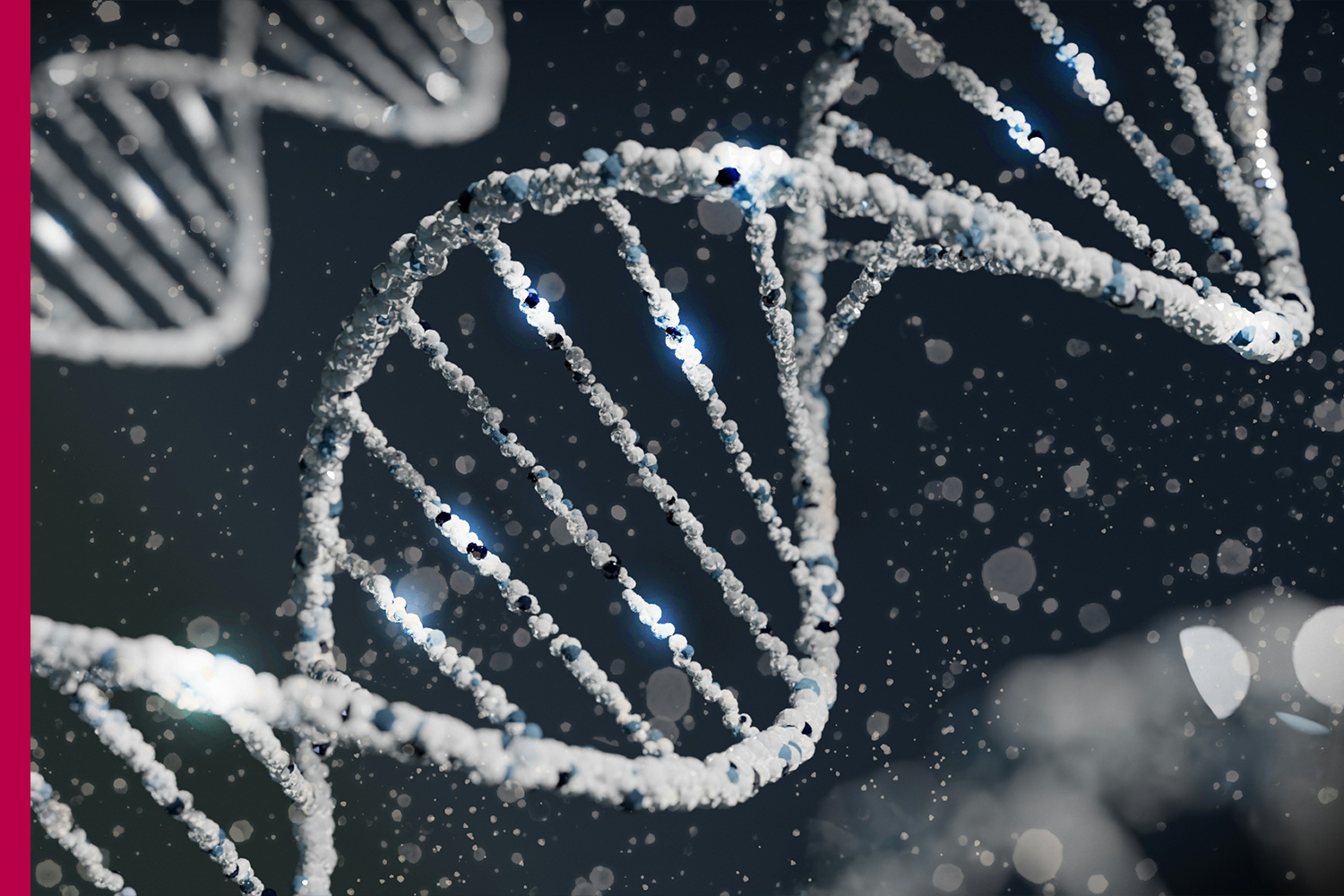
Gene-editing technologies have also expanded scientific possibilities. Researchers are investigating methods that can modify specific sections of DNA to study biological processes and potentially treat inherited conditions. Gene-based therapies are being developed for selected diseases, while cell therapies are creating new approaches to certain cancers and other serious illnesses. These technologies remain complex, and not every experimental treatment becomes a safe or effective medical option. Nevertheless, they represent a major shift in how scientists approach disease at its biological foundations.
Artificial intelligence is accelerating this transformation. Modern biotechnology produces enormous quantities of information through genetic sequencing, protein analysis, medical imaging, and laboratory experiments. AI systems can help researchers identify patterns, generate hypotheses, and prioritise potential drug candidates. These tools may shorten parts of the discovery process, although laboratory validation, clinical trials, regulatory review, and long-term safety monitoring remain essential.
Biotechnology is also influencing agriculture and food production. Researchers are developing crops with improved resistance to pests, diseases, and environmental stress. Biological fertilisers, microbial soil treatments, and alternative protein technologies are attracting attention as industries search for ways to improve productivity while managing environmental pressures. The challenge is to ensure that innovation remains accessible, scientifically evaluated, and appropriate for local farming conditions.
Another important area is industrial biotechnology. Microorganisms and biological processes can be used to manufacture enzymes, specialised chemicals, bio-based materials, and certain fuels. These applications may offer alternatives to some conventional manufacturing processes. Their environmental benefits, however, depend on factors such as energy consumption, raw materials, production methods, and the full lifecycle of the finished product.
Despite its promise, biotechnology raises important ethical and practical questions. Genetic information requires strong privacy protections. Advanced therapies may be expensive and difficult to distribute fairly. Researchers must follow rigorous safety standards, while governments and institutions need regulatory systems that protect the public without unnecessarily obstructing responsible scientific progress.
For India, biotechnology presents opportunities across healthcare, pharmaceuticals, agriculture, diagnostics, and research services. Continued investment in scientific education, laboratory infrastructure, skilled professionals, and collaboration between universities and industry will be important for converting research into real-world benefits.
The future of biotechnology will not be measured solely by scientific breakthroughs. Its greatest achievements will be those that improve lives, strengthen healthcare systems, support sustainable production, and make the benefits of scientific progress available to more people.
Biotechnology is ultimately about understanding life more deeply—and using that knowledge responsibly to create a healthier and more sustainable future.