



Industrial automation is changing how products are manufactured, inspected, packaged, and delivered. Factories that once relied heavily on manual monitoring and isolated machines are increasingly adopting connected equipment, industrial robots, sensors, and software that can provide a clearer picture of production performance. This development is helping manufacturers improve consistency, manage costs, and respond to changing market demands.
One of the most important applications is predictive maintenance. Traditional maintenance often takes place at scheduled intervals or after a machine develops a problem. Connected sensors can monitor factors such as temperature, vibration, and operating conditions. Analytical systems can then help identify unusual patterns that may indicate developing equipment faults. When the information is reliable, manufacturers can investigate problems earlier and reduce unexpected downtime.
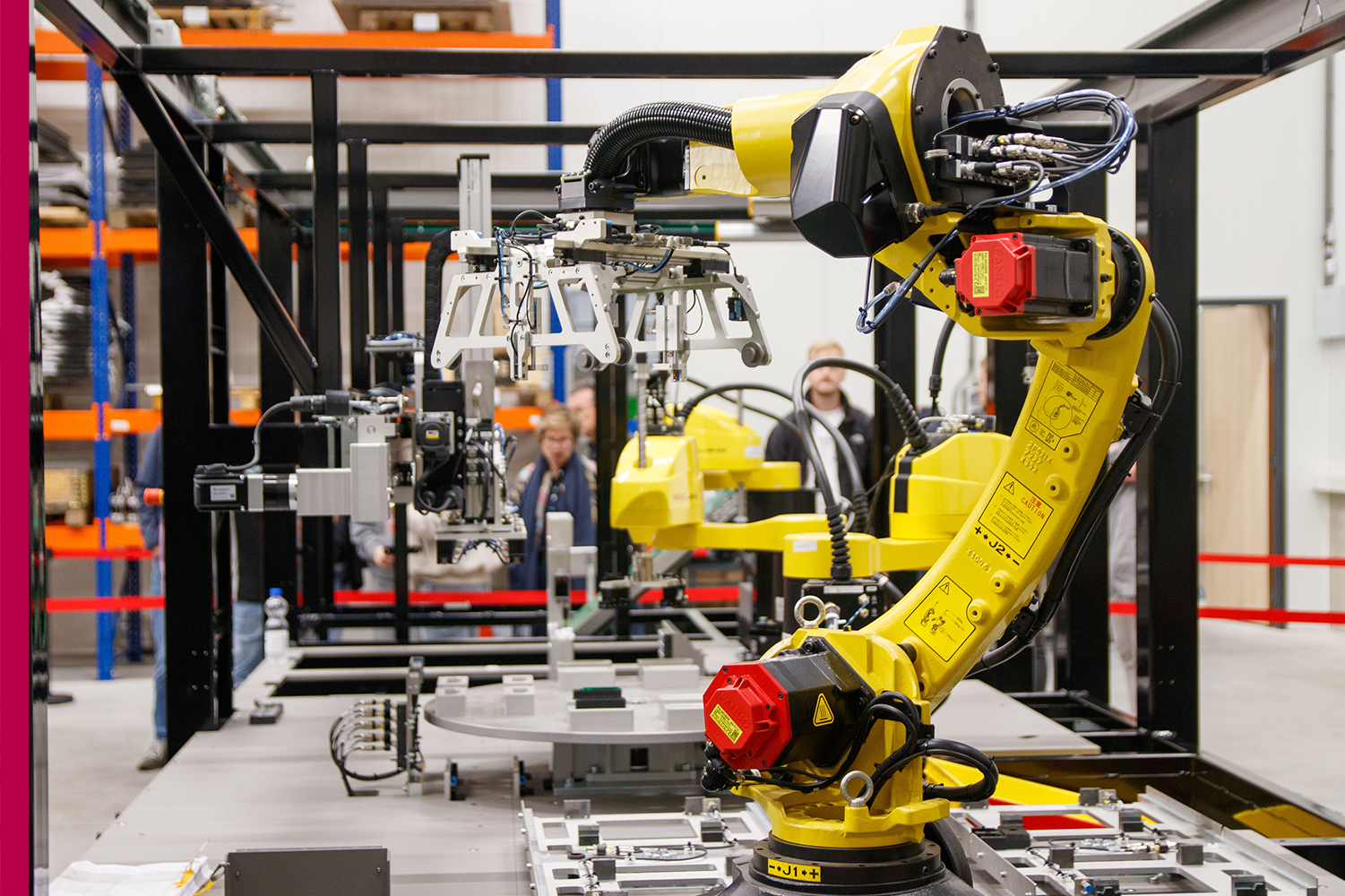
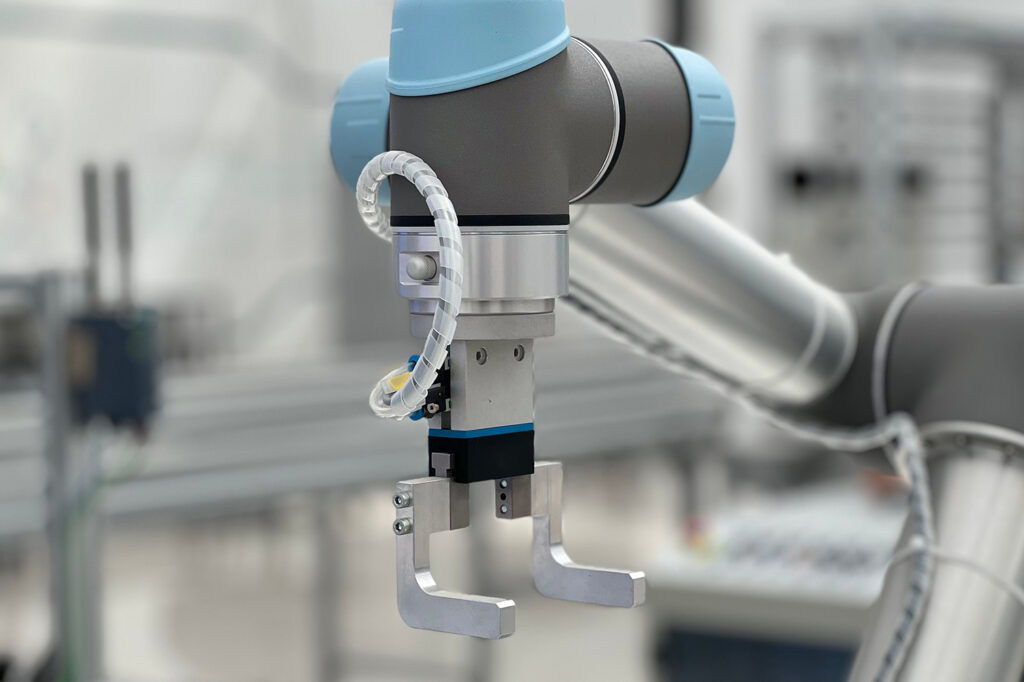
Robotics is another major part of industrial automation. Robots can perform repetitive or physically demanding tasks, including material handling, welding, assembly, and packaging. In suitable environments, automation can improve precision and reduce workers’ exposure to hazardous conditions. However, equipment must be selected carefully according to the product, production volume, workplace layout, and required level of flexibility.
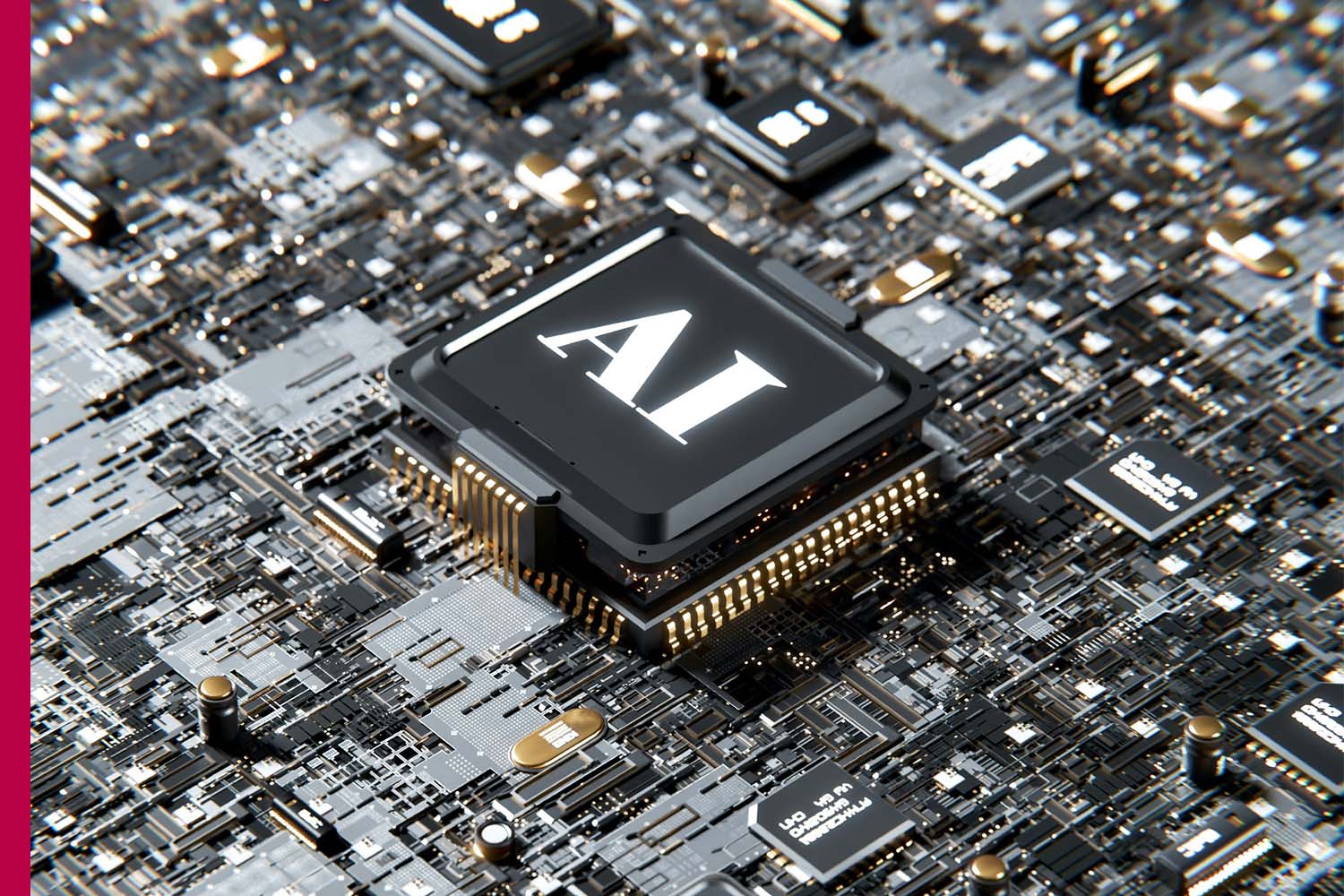
Artificial intelligence is extending automation beyond repetitive mechanical tasks. Machine-vision systems can examine products for selected defects, while AI-supported planning tools can help identify production bottlenecks and optimise schedules. These applications may improve efficiency, but their performance depends on appropriate training data, system calibration, and ongoing quality checks.
A growing challenge is connecting new technologies with existing factory equipment. Many manufacturers operate machinery purchased over several decades. Replacing every system at once may be expensive and disruptive. A phased approach can be more practical, beginning with a specific problem such as excessive machine downtime, inconsistent inspection, or inefficient material movement.
Automation also changes the skills required in manufacturing. Workers may need to understand digital monitoring systems, operate programmable equipment, interpret performance data, and respond to technical faults. Companies that provide training can help employees transition into roles involving supervision, maintenance, process improvement, and quality management.
Small and medium-sized manufacturers face particular barriers because advanced equipment requires capital, technical expertise, and reliable support. Modular automation, shared technical services, and carefully selected pilot projects can help reduce the risks of adoption. Businesses should evaluate the expected benefits before investing in large-scale systems.
Cybersecurity is another important consideration. As factory equipment becomes connected, unauthorised access or software disruption can affect production and safety. Manufacturers need suitable access controls, network protection, backup arrangements, and procedures for responding to incidents.
The concept of a smart factory should not be reduced to installing the largest number of robots. The objective is to build a production environment where machines, software, and people work together effectively.
The future of industrial automation will depend on reliable technology, skilled employees, strong safety practices, and measurable operational improvements. Manufacturers that take a human-centred approach can use automation to create safer workplaces, improve product quality, and strengthen their ability to compete in changing markets.