







The apparel industry is experiencing a significant transformation as manufacturers and fashion brands respond to changing consumer preferences, rising production costs, sustainability concerns, and increasing demand for faster product delivery. Traditionally, clothing production has involved multiple stages, from design and material sourcing to cutting, stitching, finishing, and distribution. Today, digital technologies are helping businesses connect these stages and make production more flexible.
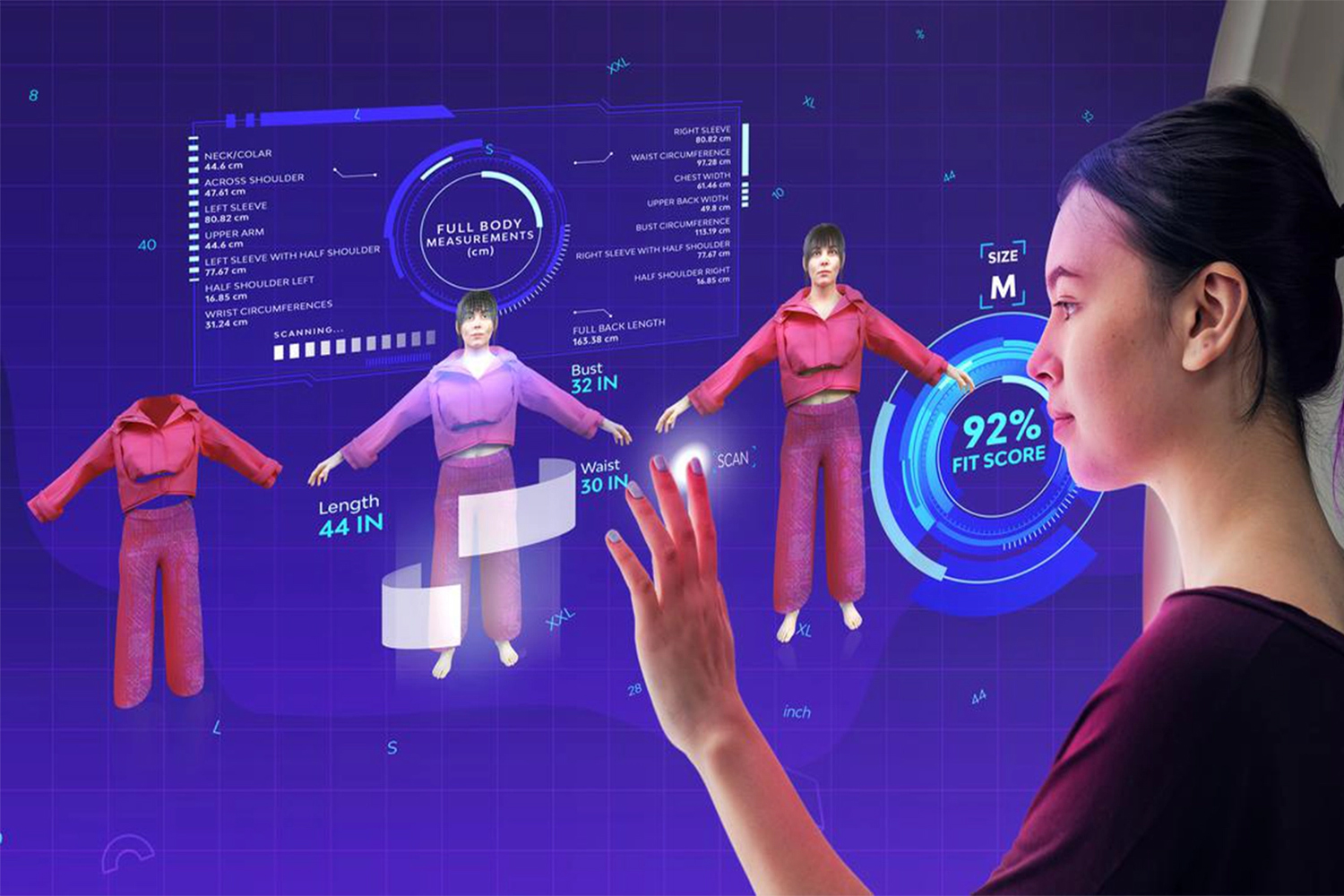
One important development is the use of digital design tools. Designers can create detailed digital garments, examine different colours and materials, and make revisions before producing physical samples. Three-dimensional garment visualisation can help teams evaluate fit and appearance earlier in the development process. When used effectively, these tools may reduce sample production, shorten design cycles, and improve communication between designers and manufacturers.
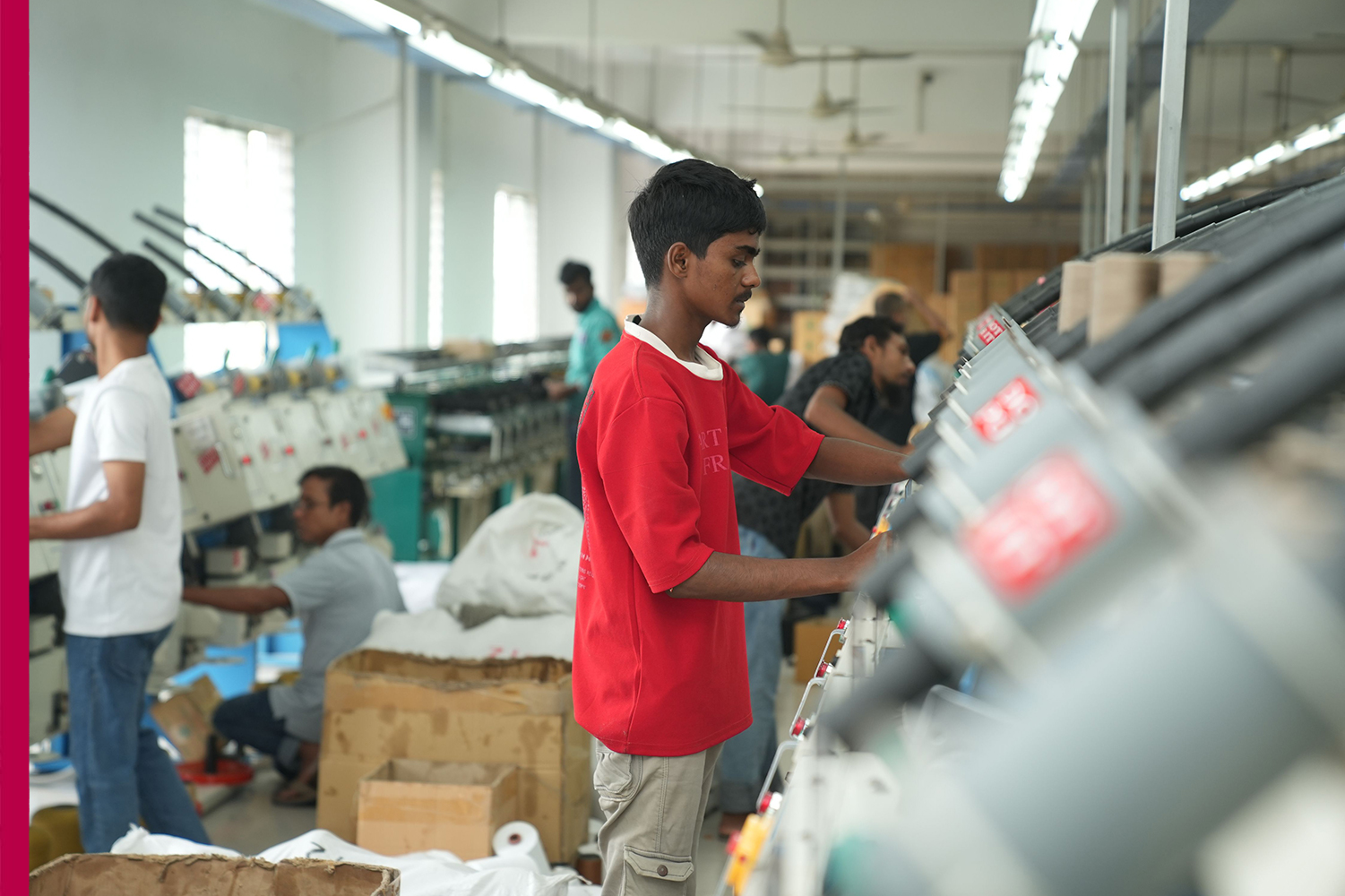
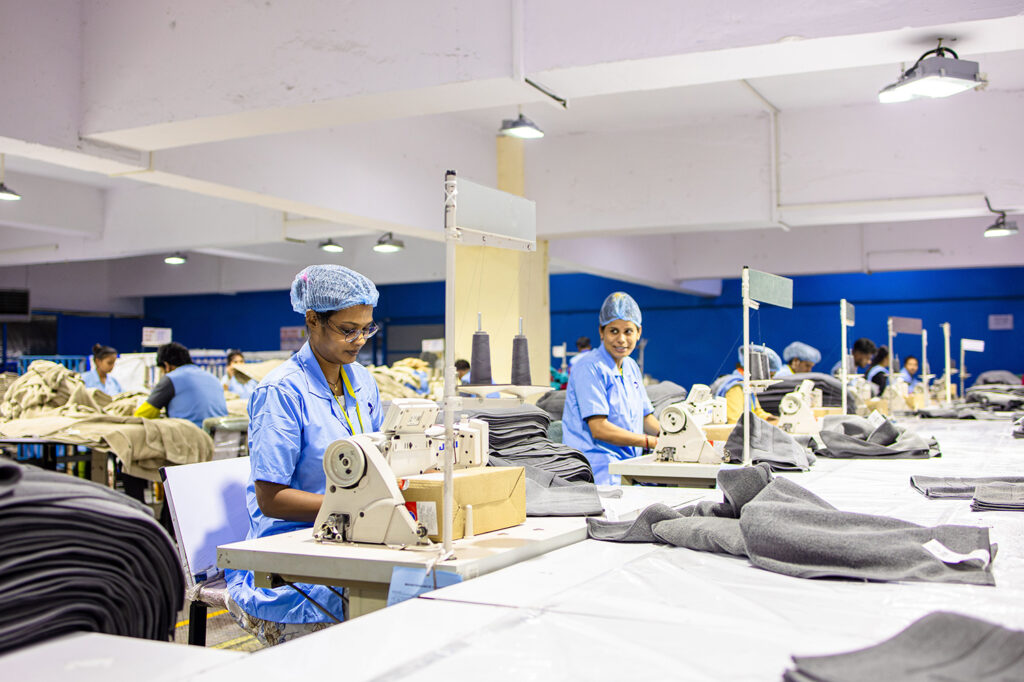
Automation is also changing factory operations. Computer-controlled cutting machines can help reduce fabric waste, while automated equipment can perform selected repetitive tasks with greater consistency. Robotics and machine-vision systems may support material handling, inspection, and packaging. However, garment manufacturing still requires skilled workers for many detailed tasks, particularly when handling different fabrics, complex designs, and specialised finishes.
Artificial intelligence is becoming another useful tool. Brands can analyse historical sales, customer preferences, seasonal patterns, and online engagement to estimate demand. Better forecasting may help businesses plan production quantities and reduce the risk of manufacturing products that remain unsold. Nevertheless, fashion demand can change rapidly, so forecasts need to be reviewed and adjusted as new information becomes available.
Sustainability is increasingly influencing how clothing is designed and produced. The industry faces challenges involving textile waste, water consumption, chemical use, packaging, and the disposal of unwanted garments. Manufacturers are exploring recycled fibres, more efficient cutting methods, durable designs, repair services, and systems that encourage reuse. The environmental benefits of these approaches depend on material quality, production methods, transportation, and how products are eventually used or discarded.
Digital systems can also improve supply-chain visibility. Brands may use connected platforms to track materials, monitor production progress, and coordinate deliveries. More reliable information can help identify delays and improve communication between suppliers, factories, and retailers. However, smaller suppliers may face difficulties adopting expensive systems, making interoperability and affordable solutions important.
The shift towards smart manufacturing also affects the workforce. Employees may need training in digital design, automated equipment, quality monitoring, and production data. Businesses that invest in workforce development can help workers adapt while maintaining the practical expertise required for garment production.
Technology alone cannot guarantee better clothing or more responsible manufacturing. Companies must still focus on quality, fair working conditions, suitable materials, and genuine consumer needs.
The future of the apparel industry will depend on combining creativity with efficient production and responsible resource management. Brands that use technology thoughtfully may become more responsive to demand, reduce avoidable waste, and build stronger relationships with customers while preserving the craftsmanship that gives clothing its value.