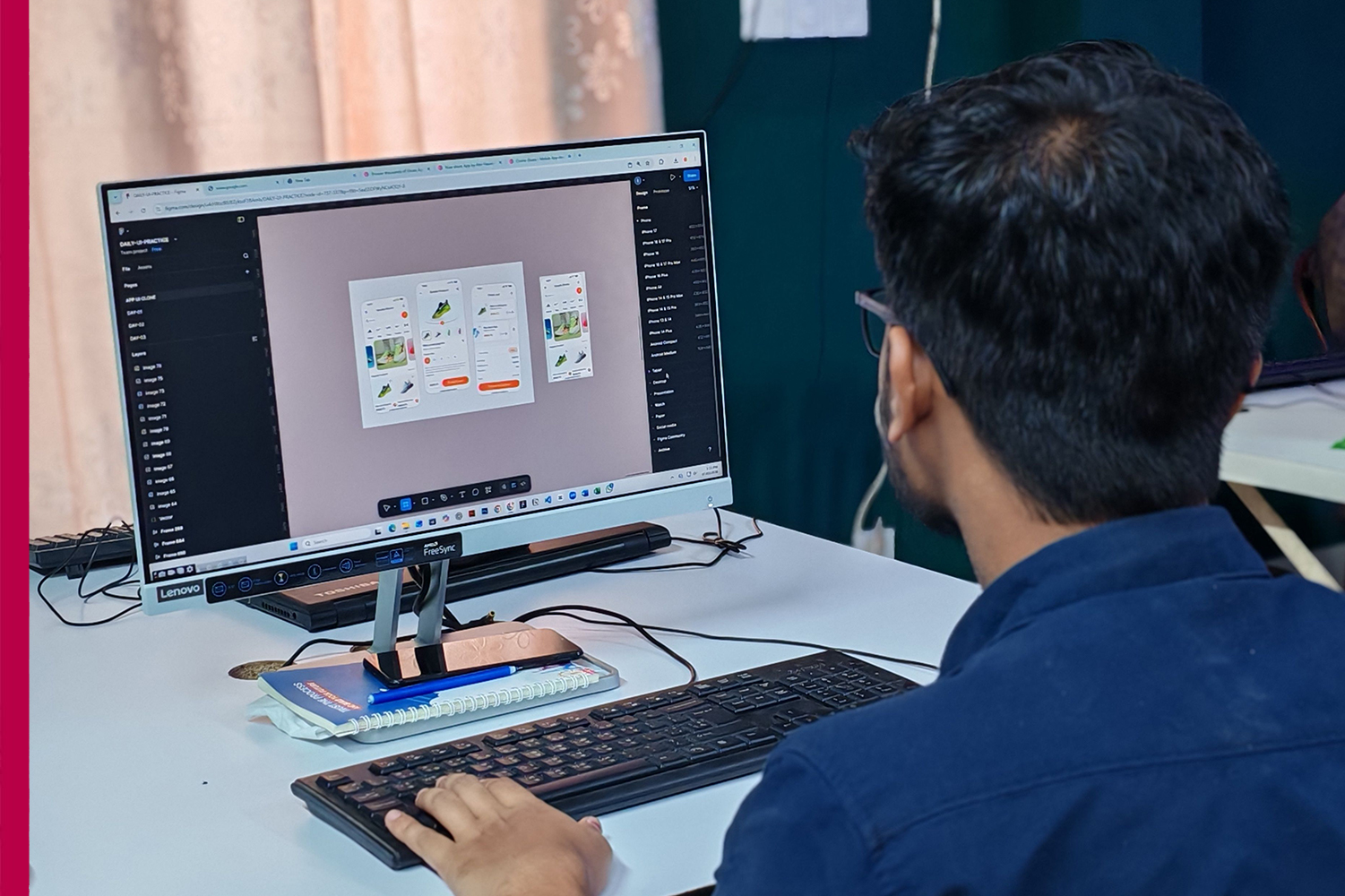




Creative software has become an essential part of the modern creative industry, transforming how designers, artists, photographers, video editors, animators, and content creators bring their ideas to life. From graphic design and illustration to video production, animation, audio editing, and digital publishing, creative software provides powerful tools for turning concepts into professional-quality visual and multimedia experiences. As digital content continues to dominate communication and marketing, the demand for efficient and innovative creative tools is growing across industries.
Graphic design software is one of the most widely used categories of creative technology. Designers use these applications to create logos, posters, brochures, advertisements, social media graphics, packaging, presentations, and branding materials. Advanced design tools offer features such as vector editing, image manipulation, typography control, layout design, and color management. These capabilities allow designers to create visually consistent materials for both digital and print platforms.
Photo editing software has transformed professional photography and visual communication. Modern applications allow users to adjust exposure, color, contrast, sharpness, composition, and other elements of an image. Professional photographers can process large collections of photographs efficiently, while businesses can create polished images for websites, advertising campaigns, magazines, and social media platforms. Advanced editing tools also support detailed retouching and creative image manipulation.
Video editing software has become increasingly important as video content continues to grow across social media, streaming platforms, advertising, education, and entertainment. Modern editing applications allow creators to cut footage, add transitions, synchronize audio, apply visual effects, create subtitles, and produce professional-quality videos. High-resolution formats and advanced color grading capabilities have made sophisticated video production accessible to a wider range of creators.
Animation and motion graphics software are also reshaping digital storytelling. Designers and animators can create 2D and 3D animations, visual effects, title sequences, advertisements, and interactive experiences. These tools are widely used in film production, gaming, advertising, education, architecture, and product visualization. Motion graphics have become particularly valuable for brands seeking engaging ways to communicate information online.
Audio production software supports musicians, podcasters, filmmakers, and content creators. Digital audio workstations provide tools for recording, editing, mixing, mastering, and producing sound. Creators can combine multiple audio tracks, apply effects, remove unwanted noise, and produce high-quality sound for music, videos, podcasts, and other digital media.
Cloud-based creative software has introduced new possibilities for collaboration. Designers and creative teams can work on projects from different locations while sharing files, reviewing designs, and making changes in real time. Cloud storage also provides easier access to creative assets and reduces dependence on local hardware. This flexibility has become particularly valuable for remote teams and international creative agencies.
Artificial Intelligence (AI) is increasingly being integrated into creative software. AI-powered features can automate repetitive tasks such as background removal, image enhancement, object selection, transcription, color correction, and layout assistance. These tools allow creative professionals to spend more time developing concepts and refining their work while reducing time spent on routine processes.
Collaboration and productivity features have become equally important. Modern creative platforms provide shared workspaces, version control, commenting systems, digital asset management, and workflow integration. These features help creative teams organize projects efficiently and maintain consistency across multiple campaigns and platforms.
Creative software is also becoming more accessible to students, freelancers, and small businesses. Subscription models, cloud platforms, educational licenses, and browser-based applications have lowered some of the barriers to professional creative production. As a result, more individuals can develop creative skills and participate in the growing digital content economy.
Despite its many advantages, creative software presents challenges such as subscription costs, hardware requirements, compatibility issues, complex interfaces, and the need for continuous learning. Rapid software updates also require professionals to regularly develop new skills and adapt to changing workflows.
Looking ahead, creative software will continue to evolve through AI, real-time collaboration, cloud computing, immersive technologies, and advanced automation. Integration between design, video, animation, audio, and publishing tools is likely to create increasingly connected creative workflows.
In conclusion, creative software has become a fundamental part of modern digital creativity. By providing powerful tools for design, photography, video, animation, audio, and collaboration, these technologies enable professionals and aspiring creators to transform ideas into compelling experiences. As digital communication continues to expand, creative software will remain an important force driving innovation, visual storytelling, and creative expression across industries.