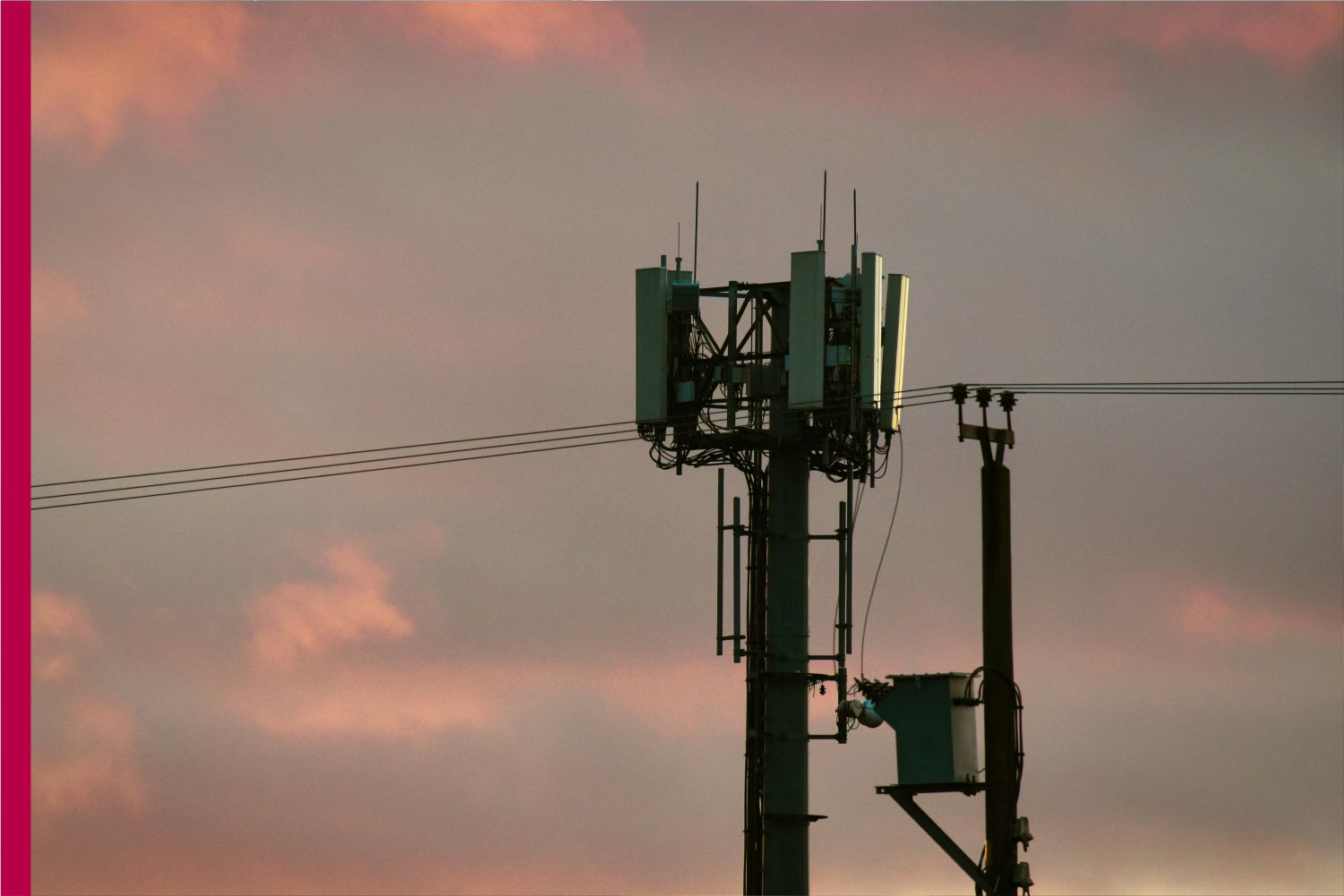
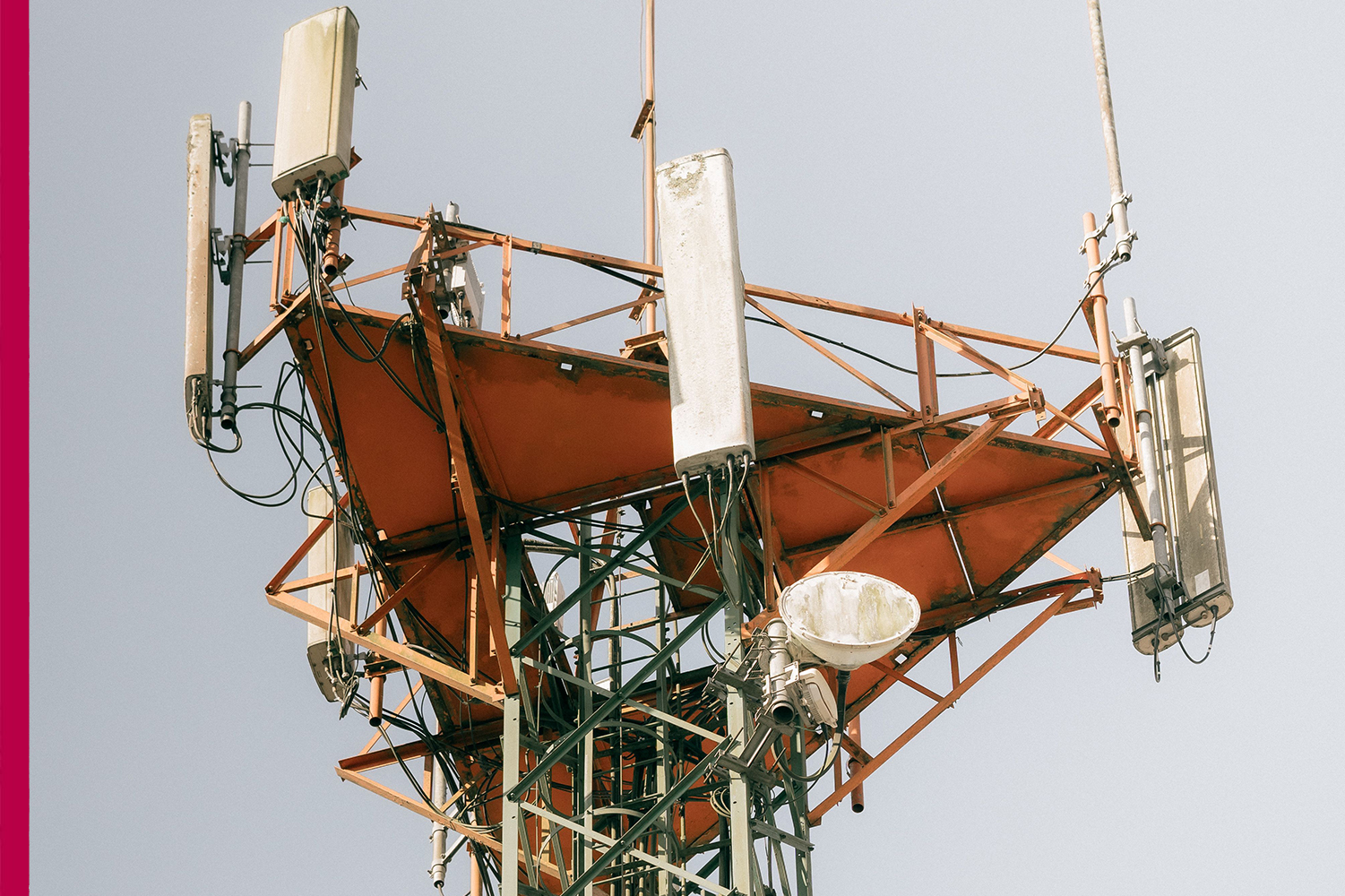



The telecommunications industry has become one of the most essential components of modern society, connecting people, businesses, governments, and communities across geographical boundaries. From mobile phones and broadband internet to 5G networks and satellite communication, telecommunications infrastructure supports nearly every aspect of the digital economy. As technology continues to evolve, the telecom industry is moving beyond traditional voice and messaging services toward a broader ecosystem centered on high-speed connectivity, digital services, cloud computing, and intelligent networks.
Mobile communication remains one of the strongest foundations of the telecom industry. Smartphones have transformed communication by combining voice services, messaging, entertainment, banking, education, shopping, and business applications into a single device. The growing demand for mobile data has encouraged telecom operators to continuously expand network capacity and improve coverage, particularly in densely populated urban areas and underserved rural regions.
The expansion of 5G technology is one of the most significant developments in telecommunications. 5G networks provide faster speeds, lower latency, and greater network capacity compared with previous generations. These capabilities support applications such as smart cities, connected vehicles, remote healthcare, industrial automation, augmented reality, and the Internet of Things (IoT). As 5G adoption increases, telecom companies are becoming important technology partners for industries undergoing digital transformation.
Fiber-optic infrastructure continues to play a crucial role in supporting high-speed connectivity. Fiber networks provide reliable and high-capacity internet services for homes, businesses, data centers, and mobile networks. The expansion of fiber-to-the-home and fiber-to-the-business connections is helping meet growing demand for cloud applications, video streaming, remote work, and online services.
Satellite communication is creating new opportunities for connectivity, particularly in remote and geographically challenging areas. Modern satellite networks can provide broadband services to communities that may be difficult to reach through traditional terrestrial infrastructure. Satellite connectivity is also valuable for maritime communication, aviation, disaster response, defense, and emergency services.
The telecom industry is increasingly integrated with cloud computing and enterprise technology. Telecom operators are expanding beyond connectivity by offering cloud services, cybersecurity solutions, managed networks, data storage, and enterprise communication platforms. This transformation allows telecom companies to diversify their revenue streams while providing businesses with integrated digital infrastructure.
Artificial Intelligence (AI) is becoming increasingly important in telecom operations. Operators use AI and analytics to monitor network performance, predict equipment failures, optimize traffic, detect fraud, and improve customer service. Predictive maintenance can identify potential infrastructure problems before they cause service disruptions, helping companies improve reliability while reducing maintenance costs.
The Internet of Things is another major growth area. Connected sensors and devices require reliable networks to exchange data in real time. Telecom operators are providing connectivity solutions for smart meters, industrial equipment, agricultural monitoring systems, logistics operations, healthcare devices, and smart city infrastructure. The expansion of IoT creates new opportunities for telecom businesses while increasing demand for secure and scalable networks.
Cybersecurity has become a critical concern as telecom networks carry enormous volumes of personal, financial, and business information. Operators must protect infrastructure against cyberattacks, data breaches, fraud, and unauthorized access. Strong encryption, network monitoring, authentication systems, and security technologies are becoming essential components of modern telecommunications operations.
The industry also plays an important role in reducing the digital divide. Governments and telecom companies are investing in rural connectivity, affordable broadband, community networks, and digital infrastructure to ensure that more people can access online services. Improved connectivity supports education, healthcare, digital payments, e-commerce, and employment opportunities in underserved communities.
Despite strong growth opportunities, the telecom industry faces challenges including high infrastructure costs, spectrum requirements, intense competition, regulatory changes, cybersecurity threats, and rapidly changing customer expectations. Operators must continuously invest in networks while maintaining affordable services and improving customer experience.
Looking ahead, telecommunications will increasingly become the foundation for emerging technologies and connected ecosystems. Advanced 5G networks, future wireless technologies, satellite connectivity, edge computing, IoT, and intelligent network management will create new possibilities for businesses and consumers.
In conclusion, the telecom industry is evolving from a traditional communication sector into a critical digital infrastructure ecosystem. Its networks enable economic activity, technological innovation, and social connectivity across the world. As demand for faster, more reliable, and intelligent communication continues to grow, the telecom industry will remain a key driver of digital transformation and a fundamental part of the connected future.