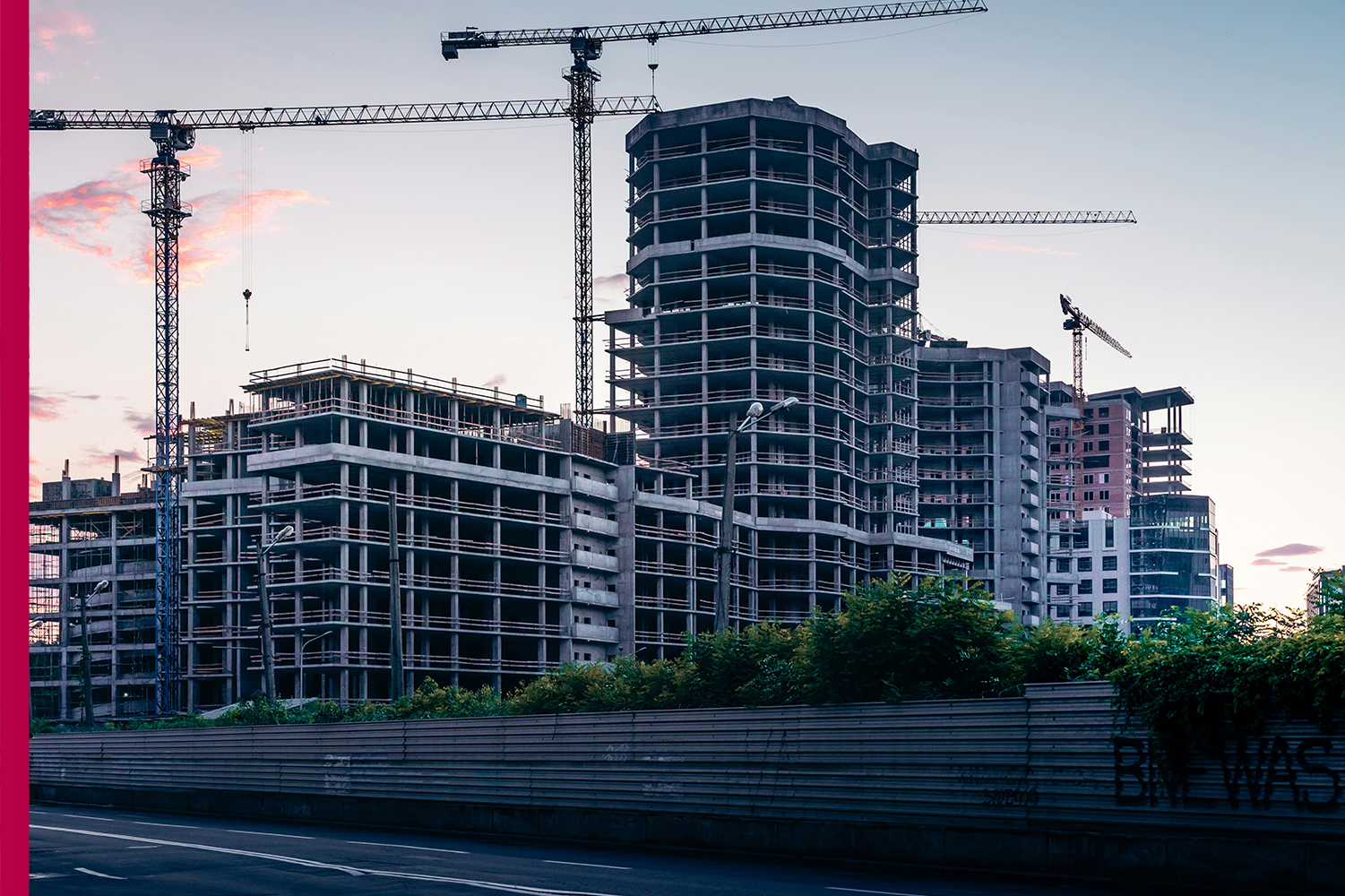



The commercial real estate (CRE) sector has experienced significant changes over the past few years due to economic uncertainty, changing workplace trends, technological advancements, and evolving consumer behavior. Office spaces, retail centers, industrial facilities, hotels, and mixed-use developments all faced unique challenges during periods of market disruption. However, as economies stabilize and businesses adapt to new ways of operating, commercial real estate is showing strong signs of recovery. Investors, developers, and property owners are embracing innovative strategies to meet changing market demands and create sustainable long-term growth.
Commercial real estate includes properties used for business purposes, such as office buildings, shopping malls, warehouses, industrial parks, hotels, healthcare facilities, and coworking spaces. The performance of this sector is closely linked to overall economic activity, employment levels, business confidence, and consumer spending. As economic conditions improve, demand for commercial properties generally begins to recover.
One of the most notable trends in commercial real estate recovery is the evolution of office spaces. The widespread adoption of hybrid and remote work initially reduced demand for traditional office environments. In response, businesses are redesigning workplaces to support flexibility, collaboration, and employee well-being. Modern offices now feature open layouts, advanced digital infrastructure, wellness amenities, and energy-efficient designs that encourage productivity while accommodating flexible work models.
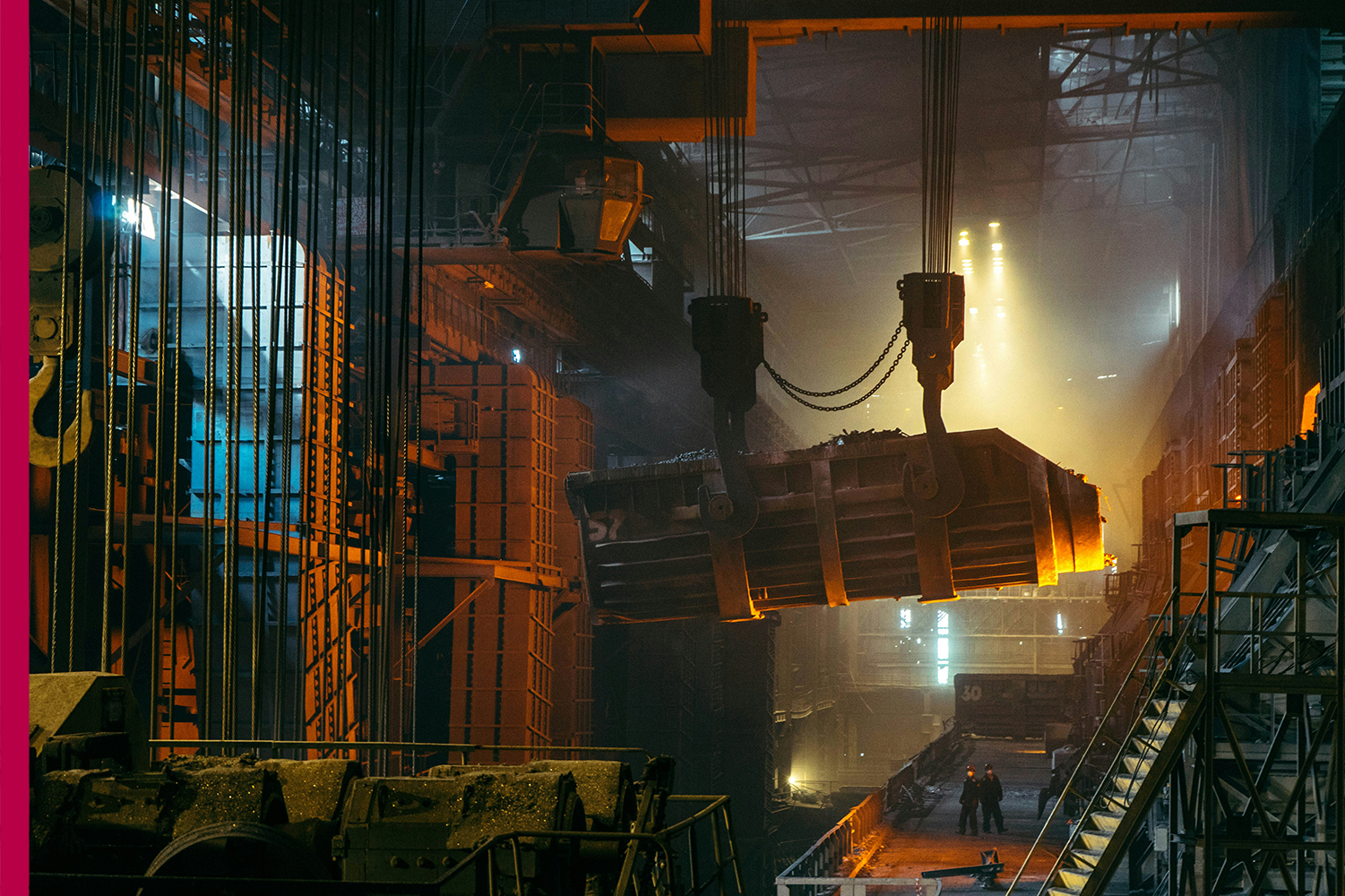
Industrial real estate has emerged as one of the strongest-performing segments of the commercial property market. The rapid growth of e-commerce, global trade, and supply chain optimization has increased demand for warehouses, fulfillment centers, cold storage facilities, and logistics hubs. Companies require strategically located industrial properties to support faster deliveries and efficient inventory management, making this sector a key driver of commercial real estate recovery.
Retail real estate is also evolving rather than disappearing. Although online shopping has transformed consumer behavior, physical retail spaces remain important for creating engaging customer experiences. Shopping centers are increasingly becoming mixed-use destinations that combine retail, dining, entertainment, healthcare, and community services. Retailers are adopting omnichannel strategies that integrate online and in-store experiences to better serve customers.
Hospitality properties, including hotels and resorts, are benefiting from the revival of business and leisure travel. As tourism continues to recover, demand for quality accommodations, conference facilities, and event venues is increasing. Many hospitality businesses are investing in digital check-in systems, smart room technologies, and personalized guest experiences to attract modern travelers.
Technology has become a major catalyst for commercial real estate recovery. Smart building technologies enable property owners to monitor energy consumption, security systems, air quality, and occupancy levels in real time. Artificial Intelligence (AI), the Internet of Things (IoT), and data analytics help optimize building operations, improve tenant experiences, and reduce operational costs.
Sustainability is another important factor shaping the future of commercial real estate. Businesses and investors increasingly prioritize environmentally responsible buildings with energy-efficient systems, renewable energy integration, water conservation measures, and green certifications. Sustainable commercial properties often achieve higher occupancy rates, lower operating expenses, and greater long-term value.
Government policies and infrastructure investments also influence commercial real estate recovery. Public investment in transportation networks, smart cities, urban renewal projects, and business districts creates new opportunities for commercial development. Favorable financing options, tax incentives, and streamlined regulations further encourage investment in commercial properties.
Flexible workspaces and coworking environments continue to gain popularity. Many businesses prefer flexible leasing arrangements that allow them to adapt to changing workforce needs without committing to long-term office leases. Coworking spaces provide cost-effective solutions for startups, entrepreneurs, freelancers, and companies seeking operational flexibility.
Despite encouraging signs of recovery, the commercial real estate sector continues to face challenges. Rising construction costs, higher interest rates, changing tenant expectations, economic uncertainty, and evolving workplace trends require developers and investors to remain adaptable. Successful projects increasingly depend on market research, technological integration, and customer-focused property design.
Looking ahead, commercial real estate is expected to become more technology-driven, sustainable, and experience-oriented. Smart buildings, mixed-use developments, digital property management, and environmentally friendly construction practices will define the next phase of industry growth. Investors who embrace innovation and respond to changing market dynamics will be well-positioned for long-term success.
In conclusion, the recovery of commercial real estate reflects the resilience and adaptability of the property industry. By embracing flexible workspaces, smart technologies, sustainable development, and evolving consumer preferences, the sector is creating new opportunities for businesses, investors, and communities. As economic conditions continue to improve and innovation reshapes the built environment, commercial real estate will remain a vital contributor to economic growth, urban development, and business success.