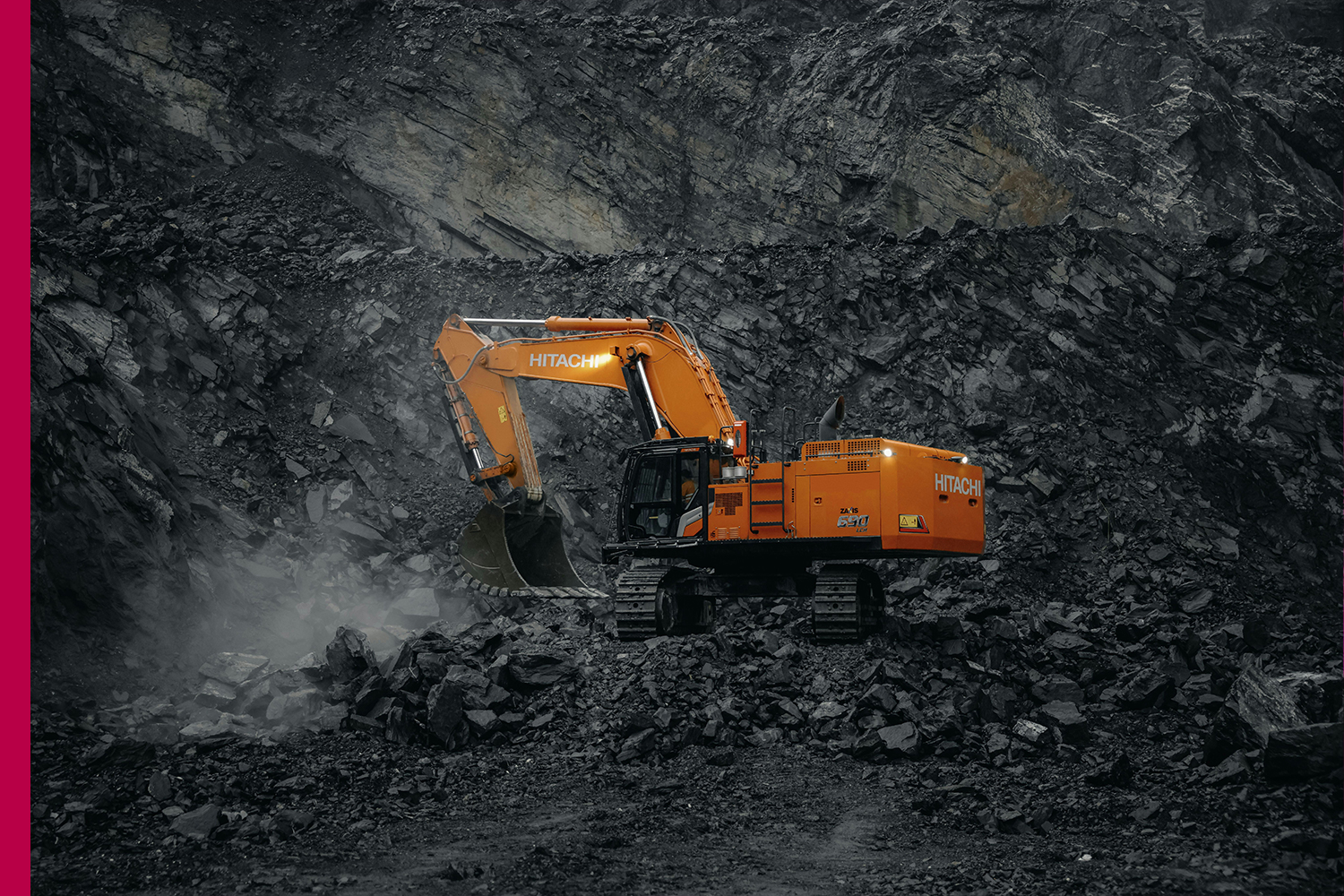


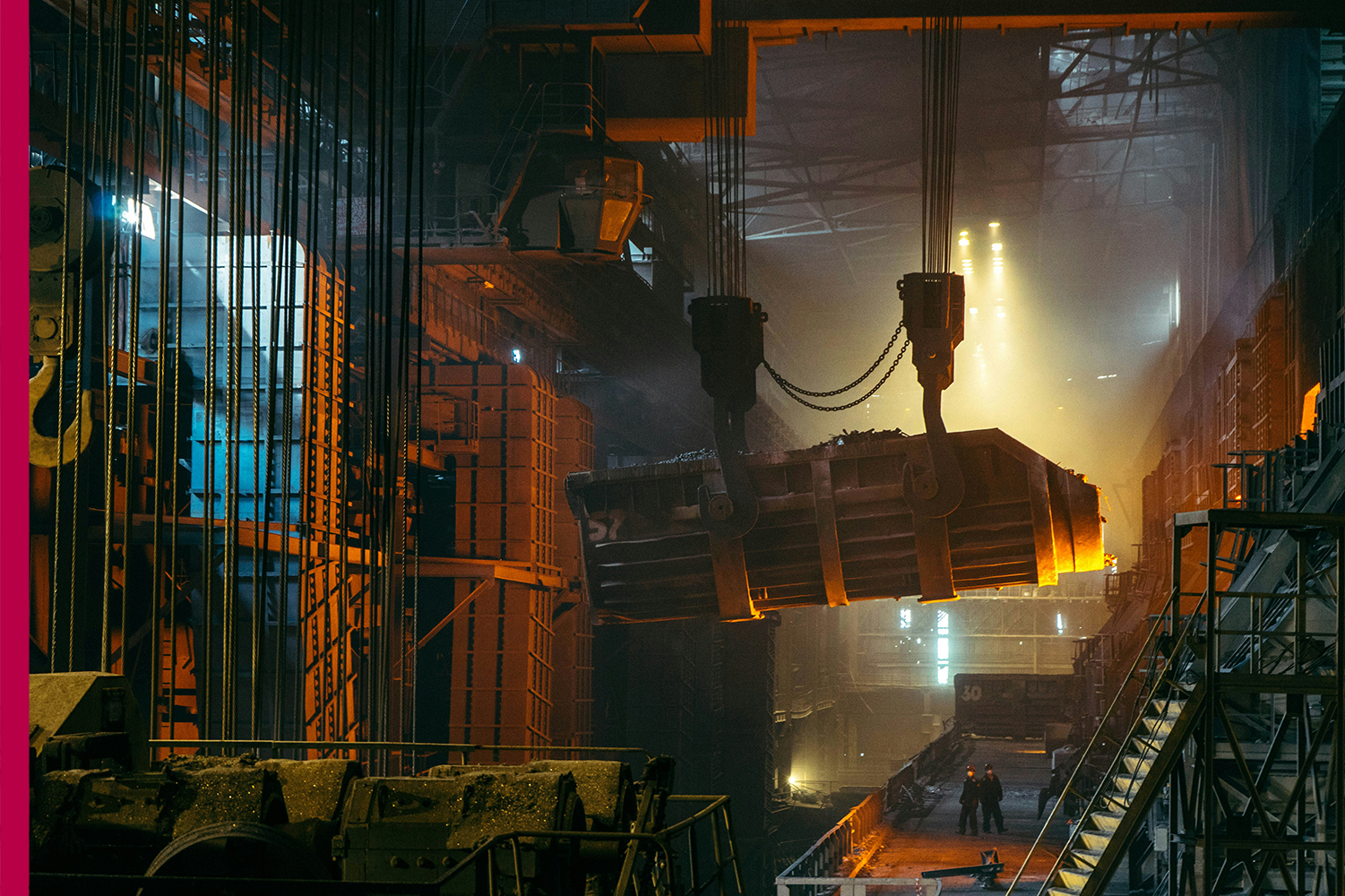

The mining and metals industry is one of the most important pillars of the global economy. Nearly every modern industry depends on minerals and metals extracted from the earth to manufacture products, build infrastructure, and develop advanced technologies. From construction and transportation to renewable energy and consumer electronics, the close relationship between mining and the metals industry ensures a continuous supply of essential raw materials. As global demand for sustainable infrastructure and clean energy solutions increases, the link between mining and metal production is becoming even more significant.
Mining is the process of extracting valuable minerals and ores from the earth, while the metals industry processes these raw materials into refined metals used in manufacturing and industrial applications. Iron ore is transformed into steel, bauxite into aluminum, copper ore into electrical-grade copper, and lithium into battery materials. This seamless connection between extraction and processing supports numerous industries and drives economic growth across the world.
One of the strongest links between mining and the metals industry is the construction sector. Steel, aluminum, copper, and zinc are fundamental materials used in residential buildings, commercial complexes, bridges, highways, railways, and airports. As urbanization continues to accelerate, especially in developing economies, the demand for these construction materials remains consistently high, increasing the need for efficient mining and metal production.
The manufacturing industry also depends heavily on mining and metals. Automobiles, aircraft, industrial machinery, household appliances, and consumer electronics all require various metals for production. Steel provides structural strength, aluminum offers lightweight durability, while copper ensures efficient electrical conductivity. Without a stable mining industry supplying these essential minerals, manufacturing activities would face significant disruptions.
The transition to clean energy has further strengthened the importance of the mining and metals industry. Electric vehicles, wind turbines, solar panels, and battery storage systems require large quantities of lithium, cobalt, nickel, copper, and rare earth elements. As countries invest in renewable energy and carbon reduction initiatives, demand for these critical minerals continues to grow rapidly. Mining companies are increasingly focusing on responsible extraction methods to support the global shift toward sustainable energy.
Technological innovation is transforming both mining operations and metal processing. Artificial Intelligence (AI), automation, robotics, drones, and the Internet of Things (IoT) are improving productivity, worker safety, and operational efficiency. Smart mining systems can monitor equipment, optimize extraction processes, predict maintenance needs, and reduce operational costs. Similarly, advanced metal processing technologies improve product quality while reducing waste and energy consumption.
Sustainability has become a major priority throughout the mining and metals value chain. Companies are investing in environmentally responsible mining practices, renewable energy sources, water conservation systems, and land restoration projects. Recycling metals such as aluminum, steel, and copper has also become an important strategy for reducing dependence on newly mined resources. Circular economy practices help conserve natural resources while lowering greenhouse gas emissions.
Global supply chains play a vital role in connecting mining operations with metal manufacturers and industrial users. Efficient transportation networks, ports, railways, and logistics systems ensure that raw materials move smoothly from mines to processing facilities and ultimately to manufacturers around the world. Digital technologies are improving supply chain visibility, enabling better inventory management and reducing disruptions.
The mining and metals industry also contributes significantly to employment and economic development. Mining projects generate jobs in exploration, engineering, equipment manufacturing, transportation, environmental management, and processing. In many regions, mining activities support local businesses, infrastructure development, and government revenues through taxes and royalties.
Despite its importance, the industry faces several challenges. Commodity price fluctuations, stricter environmental regulations, rising operational costs, geopolitical uncertainties, and resource depletion require companies to continuously adapt their strategies. Responsible mining practices, technological innovation, and investment in sustainable operations are becoming essential for long-term success.
Government policies strongly influence the mining and metals sector through licensing, environmental regulations, labor standards, taxation, and investment incentives. Supportive regulatory frameworks encourage responsible resource development while ensuring environmental protection and community welfare.
Looking ahead, the mining and metals industry will continue evolving to meet the demands of modern economies. Emerging technologies, sustainable mining methods, advanced recycling systems, and increasing demand for critical minerals will shape the industry’s future. The growth of electric mobility, renewable energy, smart infrastructure, and advanced manufacturing will further strengthen the connection between mining and metal production.
In conclusion, the mining and metals industry link is fundamental to global industrial development. By supplying the essential materials required for construction, manufacturing, technology, and clean energy, this interconnected sector supports economic growth and technological progress. Through innovation, sustainability, and responsible resource management, the mining and metals industry will remain a cornerstone of modern civilization and future development.