


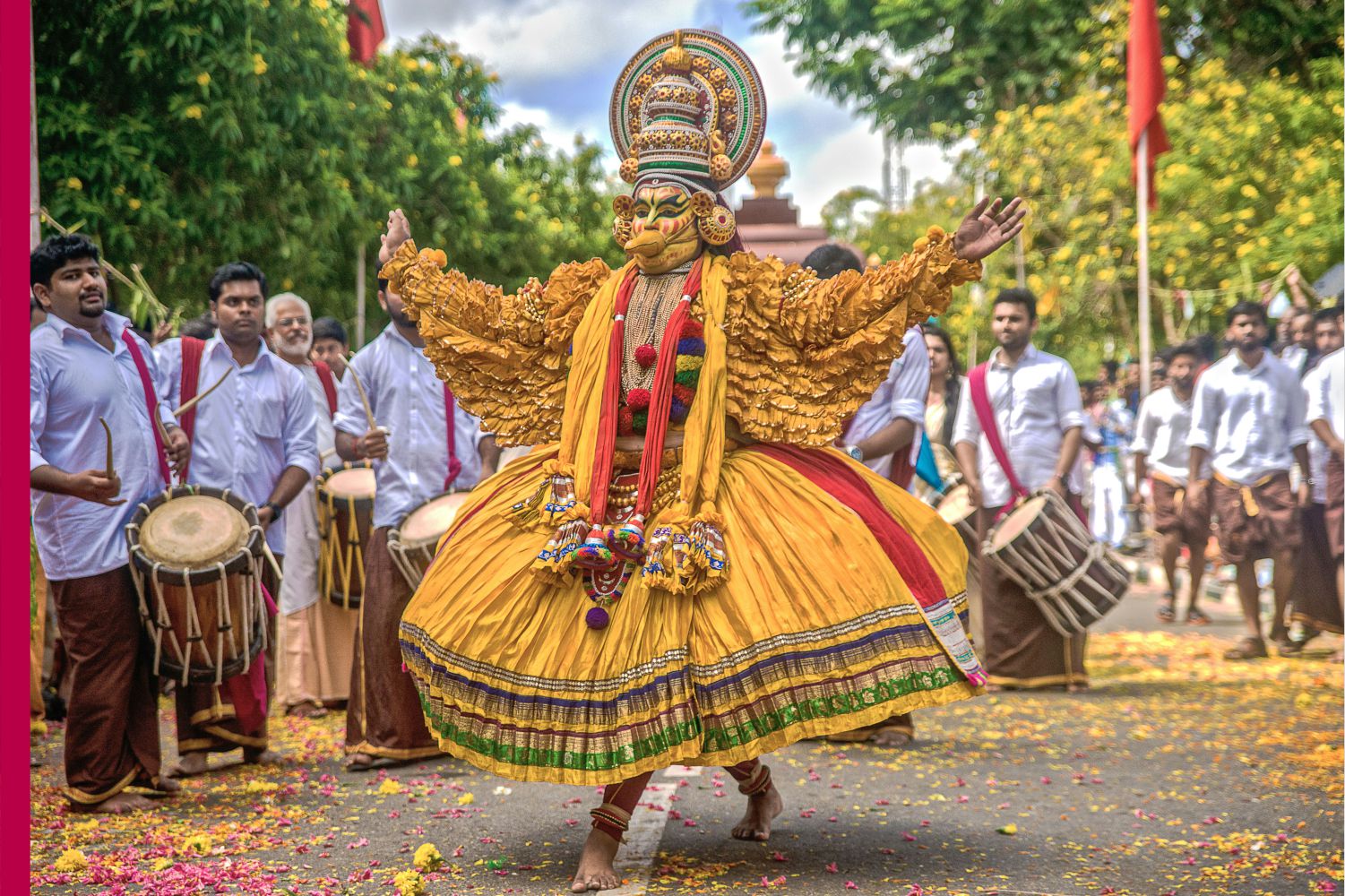
In a rapidly changing world influenced by technology, globalization, and modern lifestyles, traditional festivals continue to hold a special place in society. Interestingly, a new generation of young people is showing increasing interest in celebrating cultural traditions and bringing forgotten customs back into the spotlight. The revival of traditional festivals among youth reflects a growing desire to reconnect with heritage, strengthen community bonds, and preserve cultural identity.
Traditional festivals are more than just celebrations; they represent history, values, stories, art forms, and the collective memories of communities. For generations, these festivals have provided opportunities for families and communities to come together, share traditions, and pass cultural knowledge from one generation to another. Today’s youth are discovering the deeper meaning behind these celebrations and contributing new energy to their continuation.
One of the major reasons for the revival of traditional festivals is the growing interest in cultural identity. Young people are increasingly curious about their roots and want to understand the traditions followed by previous generations. In a world where cultures are becoming more connected, maintaining a unique cultural identity has become important. Festivals provide a way for youth to experience their heritage while also sharing it with others.
Social media has played a significant role in bringing traditional festivals closer to younger audiences. Platforms for sharing photos, videos, and stories have transformed the way people participate in cultural events. Young creators are documenting traditional celebrations, showcasing regional customs, promoting local art, and encouraging others to participate. This digital visibility has helped many traditional festivals gain wider recognition.
Another factor contributing to this revival is the desire for meaningful experiences. Many young people are moving away from purely commercial entertainment and seeking activities that create emotional connections. Traditional festivals offer opportunities to participate in music, dance, crafts, food, rituals, and community activities. These experiences provide a sense of belonging and create memorable moments.
Youth involvement has also introduced creativity into traditional celebrations. Young organizers are combining traditional elements with modern approaches to make festivals more engaging. They are using innovative event planning, digital promotion, sustainable practices, and creative presentations while respecting cultural values. This balance between tradition and modernity helps festivals remain relevant for new generations.
Traditional festivals also support local economies and artisans. Many celebrations involve handmade crafts, traditional clothing, local foods, and cultural performances. When youth participate and promote these festivals, they help create opportunities for artists, small businesses, and local communities. This connection between culture and entrepreneurship encourages the preservation of traditional skills.
The revival of festivals also strengthens social connections. Modern lifestyles often involve busy schedules and digital communication, which can reduce personal interactions. Festivals bring people together physically, encouraging conversations, cooperation, and shared experiences. Young participants often discover new friendships and stronger community relationships through these events.
Educational institutions are also contributing to the preservation of cultural traditions. Schools and colleges organize cultural programs, workshops, and festival celebrations that help students learn about history and customs. Such activities allow young people to experience traditions beyond textbooks and understand their importance in real life.
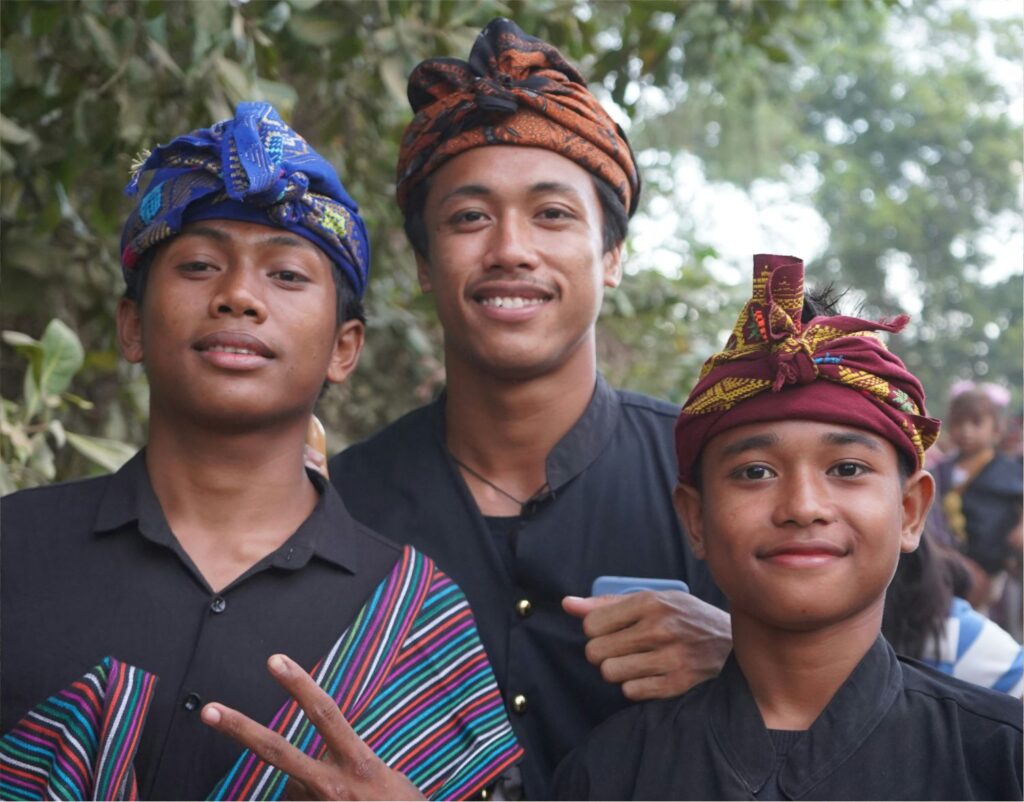
Environmental awareness is another area where youth are influencing traditional festivals. Many young participants are promoting eco-friendly celebrations by reducing waste, avoiding harmful materials, and encouraging sustainable practices. This shows how traditions can evolve while remaining responsible toward society and the environment.
However, the revival of traditional festivals also requires careful balance. While modernization can make festivals more attractive, it is important to preserve their original meaning and cultural significance. Commercialization should not replace the values, stories, and community spirit that make these celebrations special.
The future of traditional festivals depends greatly on youth participation. When young people take interest in cultural practices, they become carriers of heritage and ensure that traditions continue for future generations. Their involvement brings fresh ideas while maintaining a connection with history.
In conclusion, the revival of traditional festivals among youth represents a positive cultural movement. It shows that modern generations value their heritage and recognize the importance of preserving traditions in a changing world. By combining cultural knowledge with creativity and technology, young people are giving traditional festivals a new life and ensuring that the richness of cultural heritage continues to inspire future generations.