




Software development is continuously evolving as technology advances and businesses demand faster, smarter, and more efficient digital solutions. From artificial intelligence and automation to cloud computing and cybersecurity, new trends are transforming the way software is designed, developed, tested, and delivered. Modern software development is no longer limited to writing code; it has become a combination of creativity, innovation, data intelligence, and user-focused design.
One of the most influential trends in software development is the integration of Artificial Intelligence (AI). AI-powered tools are changing how developers write and manage software by assisting with code generation, debugging, testing, and optimization. AI can help identify errors, suggest improvements, and automate repetitive tasks, allowing developers to focus on more complex problem-solving. The use of AI in software development is improving productivity and accelerating the development process.
Low-code and no-code development platforms are also gaining popularity. These platforms allow individuals and businesses to create applications with minimal programming knowledge by using visual interfaces and pre-built components. Low-code solutions help organizations develop software faster, reduce costs, and encourage innovation. While professional developers remain essential for complex projects, these platforms enable more people to participate in digital creation.
Cloud computing continues to be a major force shaping software development. Cloud-based development environments allow developers to build, test, and deploy applications without depending on traditional infrastructure. Cloud platforms provide scalability, flexibility, and cost efficiency, making them valuable for startups, enterprises, and global organizations. The growth of cloud-native applications is encouraging developers to design software specifically for cloud environments.
Another important trend is the rise of DevOps and continuous development practices. DevOps combines software development and IT operations to improve collaboration, automation, and delivery speed. Through continuous integration and continuous deployment (CI/CD), teams can release updates faster and maintain better software quality. This approach helps businesses respond quickly to customer needs and changing market conditions.
Cybersecurity has become a critical focus area in software development. As digital systems become more connected, the risk of cyber threats increases. Developers are now adopting security-focused practices throughout the entire software lifecycle rather than treating security as a final step. Secure coding, automated security testing, data protection, and privacy-focused development are becoming essential standards.
The growth of mobile applications continues to influence software development trends. Consumers rely heavily on smartphones for communication, shopping, banking, entertainment, and work. Developers are focusing on creating mobile applications that offer better performance, personalized experiences, and advanced features. Cross-platform development tools are becoming more common because they allow applications to run efficiently across multiple devices.
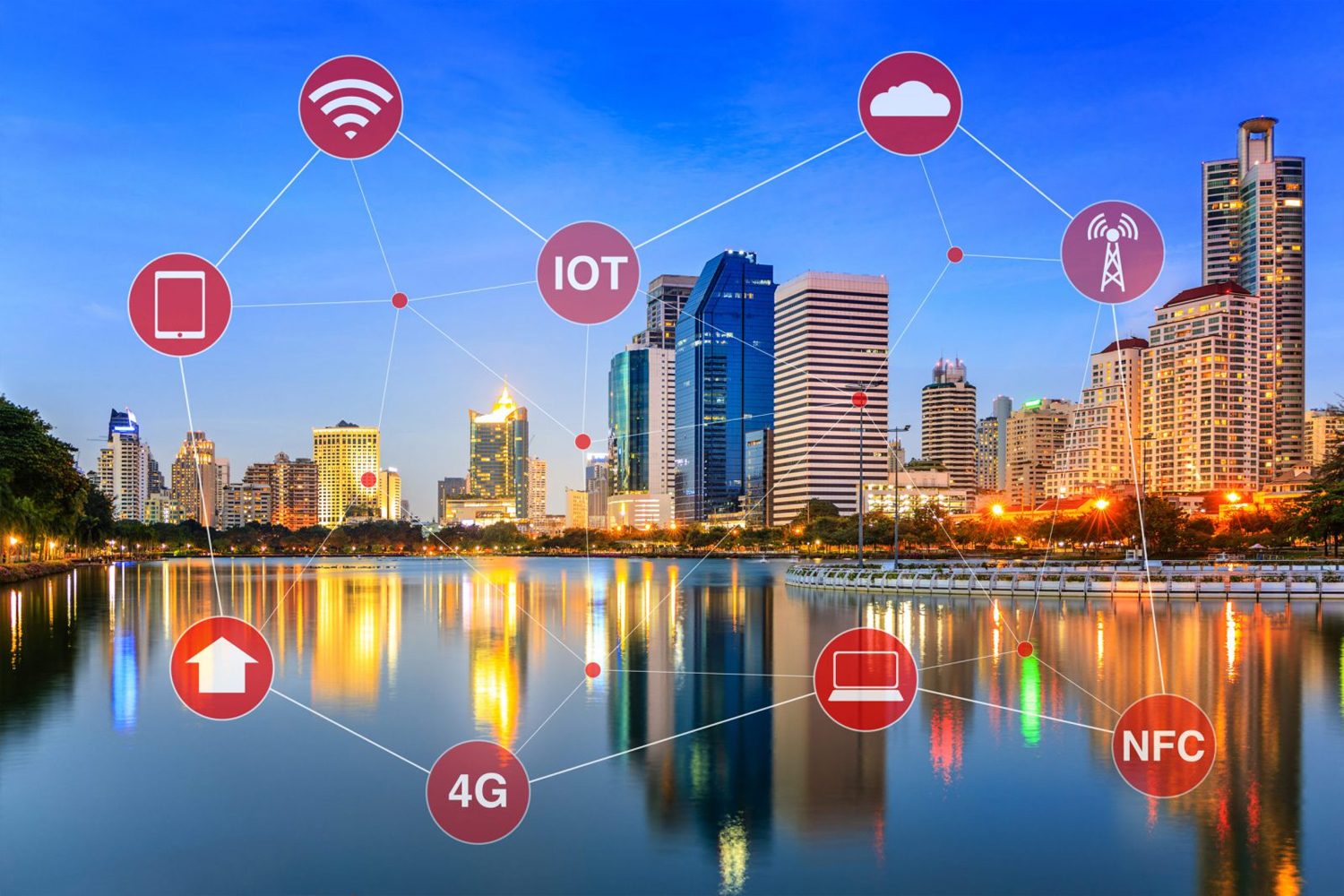
The Internet of Things (IoT) is creating new opportunities for software developers. Connected devices, smart homes, wearable technology, and industrial systems require specialized software solutions. Developers are creating applications that enable devices to communicate, collect data, and perform automated actions. IoT development is expected to expand further as more industries adopt connected technologies.
Blockchain technology is also influencing software development, especially in areas such as digital security, financial systems, supply chain management, and data verification. Developers are exploring blockchain-based applications that provide transparency, trust, and decentralized solutions. This technology is opening new possibilities beyond traditional software models.
User experience (UX) and design-focused development are becoming increasingly important. Modern users expect software that is simple, intuitive, and visually appealing. Developers and designers are working together to create applications that provide smooth interactions and solve real user problems. Personalization and accessibility are becoming key priorities in software design.
Automation is another major trend changing software development. Automated testing tools, AI assistants, and workflow automation help reduce manual effort and improve accuracy. Automation allows development teams to deliver high-quality software faster while minimizing errors.
The future of software development will also be influenced by emerging technologies such as augmented reality (AR), virtual reality (VR), quantum computing, and advanced data analytics. These technologies are creating new possibilities in industries including healthcare, education, entertainment, finance, and manufacturing.
In conclusion, software development is entering a new era driven by intelligence, automation, cloud technology, and user-focused innovation. AI, cybersecurity, low-code platforms, DevOps, and emerging technologies are changing how software is created and used. As digital transformation continues worldwide, software developers will play a crucial role in building the next generation of intelligent, secure, and connected solutions.