



The expansion of 5G networks is one of the most significant technological developments shaping the future of global connectivity. As the next generation of wireless communication technology, 5G is designed to provide faster speeds, lower latency, greater reliability, and the ability to connect millions of devices simultaneously. The growth of 5G networks is transforming industries, improving digital experiences, and creating new opportunities across sectors such as healthcare, transportation, education, manufacturing, and entertainment.
Unlike previous generations of mobile networks, 5G technology goes beyond faster internet access. It provides a powerful communication infrastructure that supports advanced technologies such as Artificial Intelligence (AI), Internet of Things (IoT), automation, and smart systems. With higher data capacity and faster response times, 5G enables real-time communication between devices, machines, and users.
One of the biggest benefits of 5G expansion is enhanced mobile connectivity. Consumers can experience faster downloads, smoother video streaming, improved online gaming, and more reliable connections. As digital lifestyles continue to grow, people increasingly depend on mobile networks for work, education, entertainment, and communication. 5G helps meet these demands by delivering a more efficient and seamless digital experience.
The business sector is expected to experience major transformations through 5G adoption. Smart factories powered by 5G connectivity can use connected machines, robotics, and automation systems to improve productivity. Manufacturers can monitor equipment in real time, reduce downtime, and optimize production processes. The combination of 5G and industrial IoT is creating more intelligent and efficient manufacturing environments.
Healthcare is another industry benefiting from 5G network expansion. High-speed and low-latency connections enable advanced healthcare solutions such as remote consultations, real-time patient monitoring, and connected medical devices. Surgeons may use robotic systems supported by reliable networks for advanced procedures, while patients in remote areas can access quality healthcare services through telemedicine.
The transportation sector is also being transformed by 5G technology. Connected vehicles, smart traffic systems, and autonomous driving solutions depend on fast and reliable communication networks. 5G enables vehicles to exchange information with each other and with infrastructure, improving road safety and traffic management. Smart cities are using 5G-powered systems to enhance public transportation, energy management, and urban services.
The expansion of 5G is creating new possibilities in entertainment and media. High-quality video streaming, virtual reality (VR), augmented reality (AR), and immersive digital experiences require strong network performance. With 5G, users can enjoy interactive content and advanced experiences with minimal delays. This is expected to influence gaming, live events, and digital entertainment platforms.
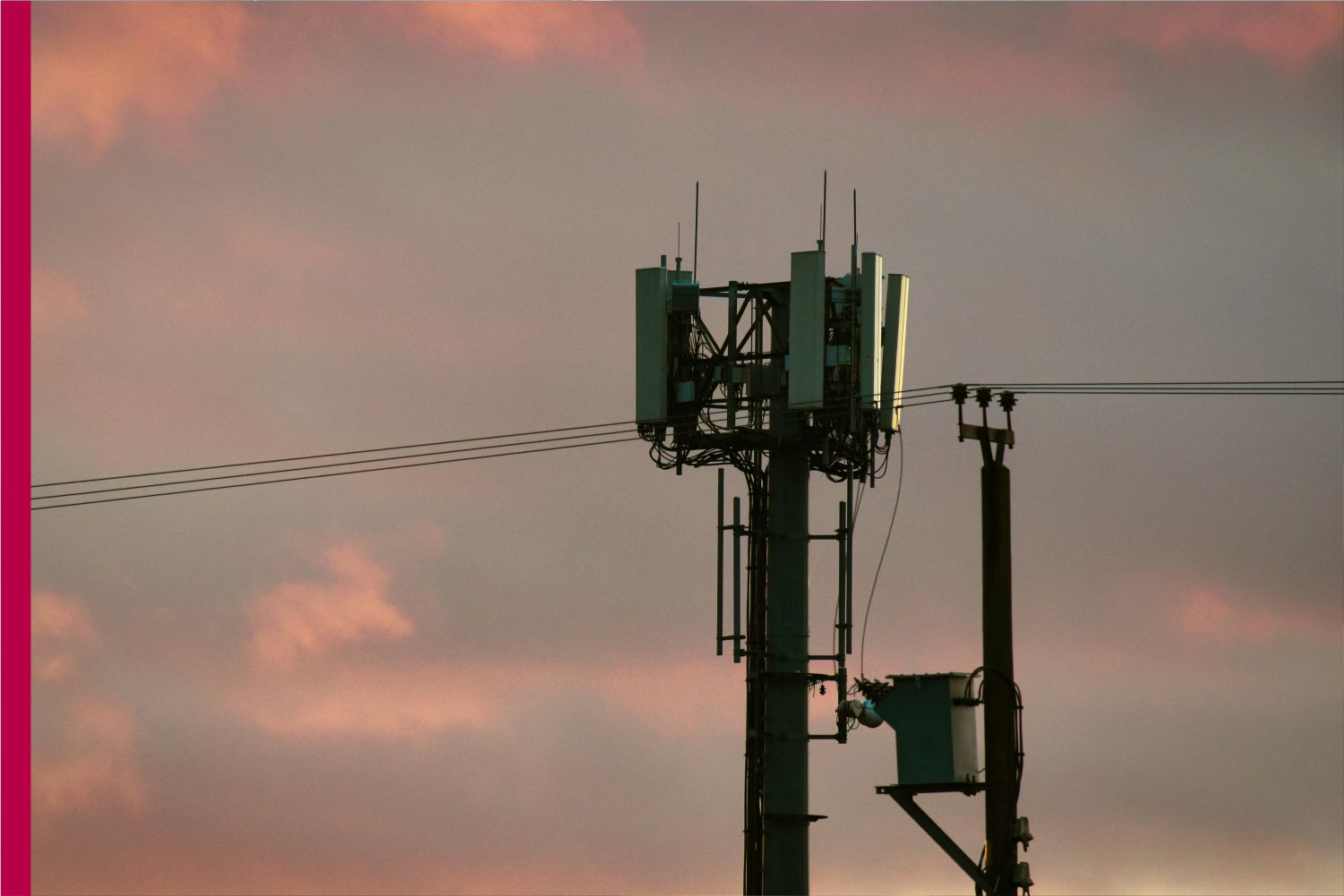
Despite its advantages, 5G expansion faces several challenges. Building 5G infrastructure requires significant investment in network towers, equipment, and fiber connectivity. Rural and remote areas may face delays in receiving coverage due to higher deployment costs and infrastructure limitations. Ensuring equal access to advanced connectivity remains an important goal for governments and service providers.
Cybersecurity and privacy are also major considerations as more devices become connected through 5G networks. Increased connectivity creates more opportunities for cyber threats, making strong security systems essential. Network providers and technology companies must focus on protecting user data and maintaining secure digital environments.
Another challenge is device compatibility. Consumers and businesses need 5G-enabled devices to benefit from the technology. As adoption increases, the availability and affordability of compatible smartphones, sensors, and smart devices will continue to improve.
Governments and industries worldwide are investing in 5G deployment as part of digital transformation strategies. The expansion of 5G is expected to support economic growth, innovation, and the development of future technologies. Collaboration between telecom companies, technology providers, and policymakers is essential for successful implementation.
In conclusion, 5G network expansion is revolutionizing the way people and businesses connect with the digital world. By enabling faster communication, supporting smart technologies, and creating new opportunities across industries, 5G is becoming a foundation for future innovation. As networks continue to expand, 5G will play a crucial role in building a more connected, intelligent, and digitally advanced society.