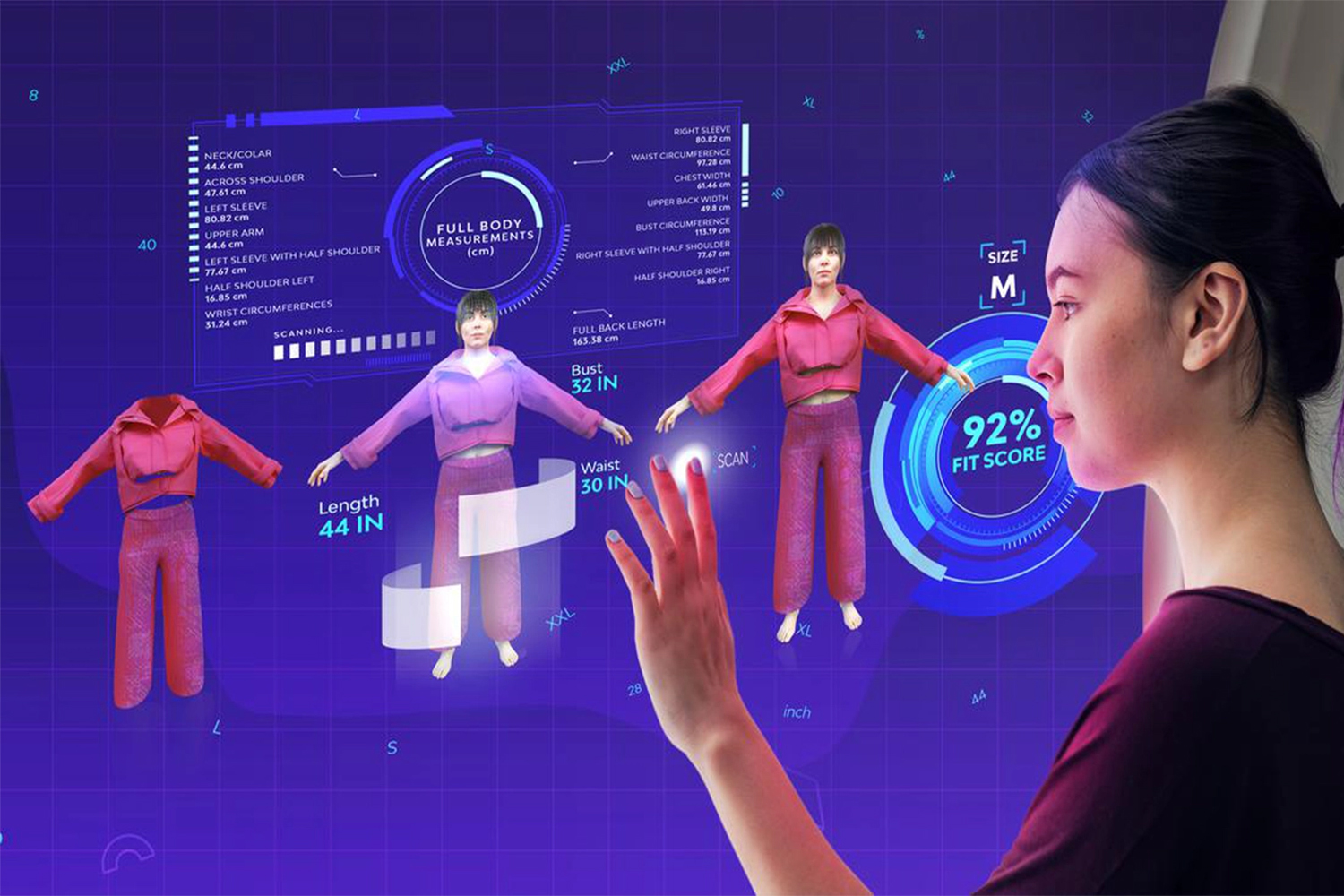





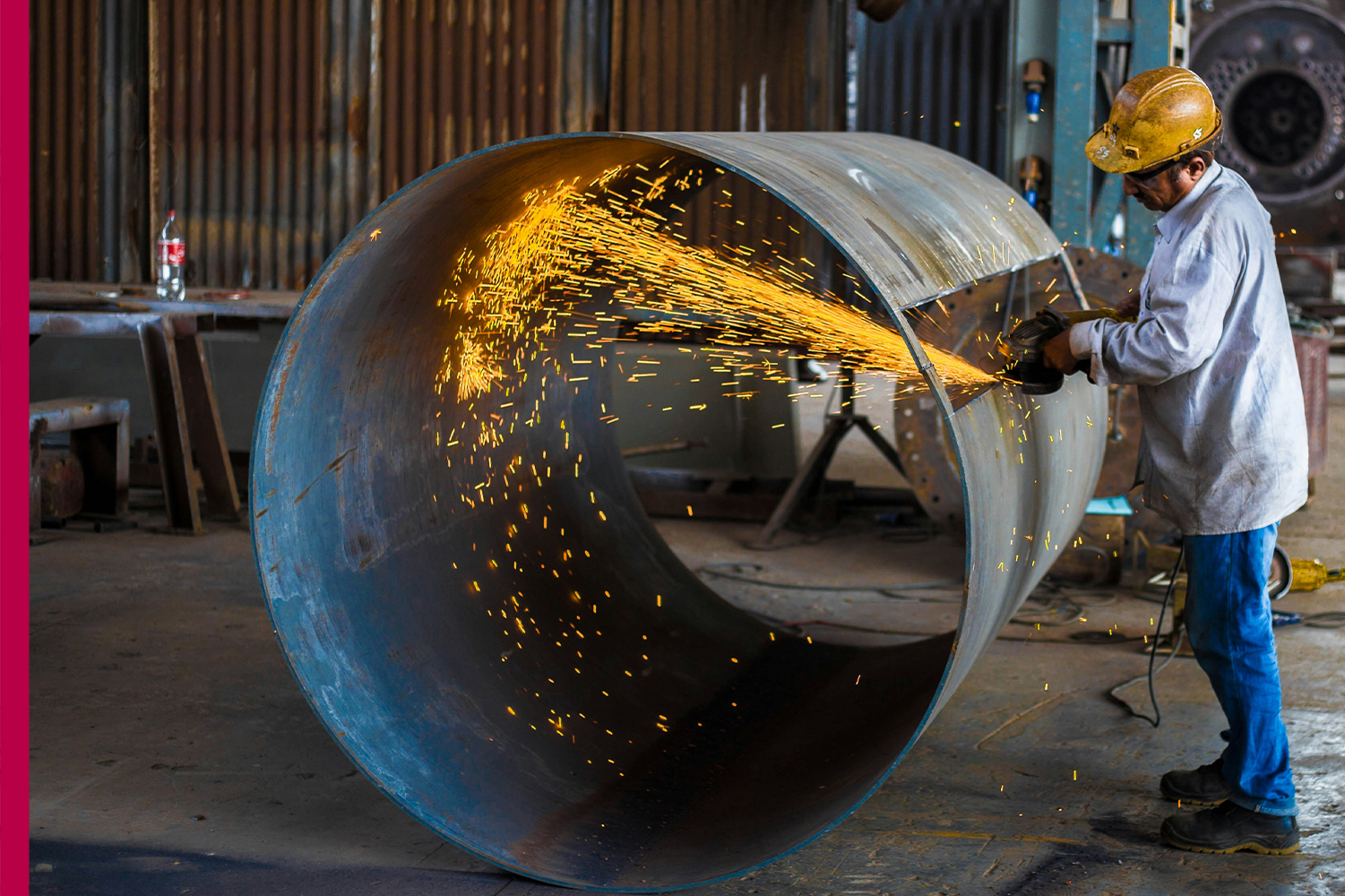


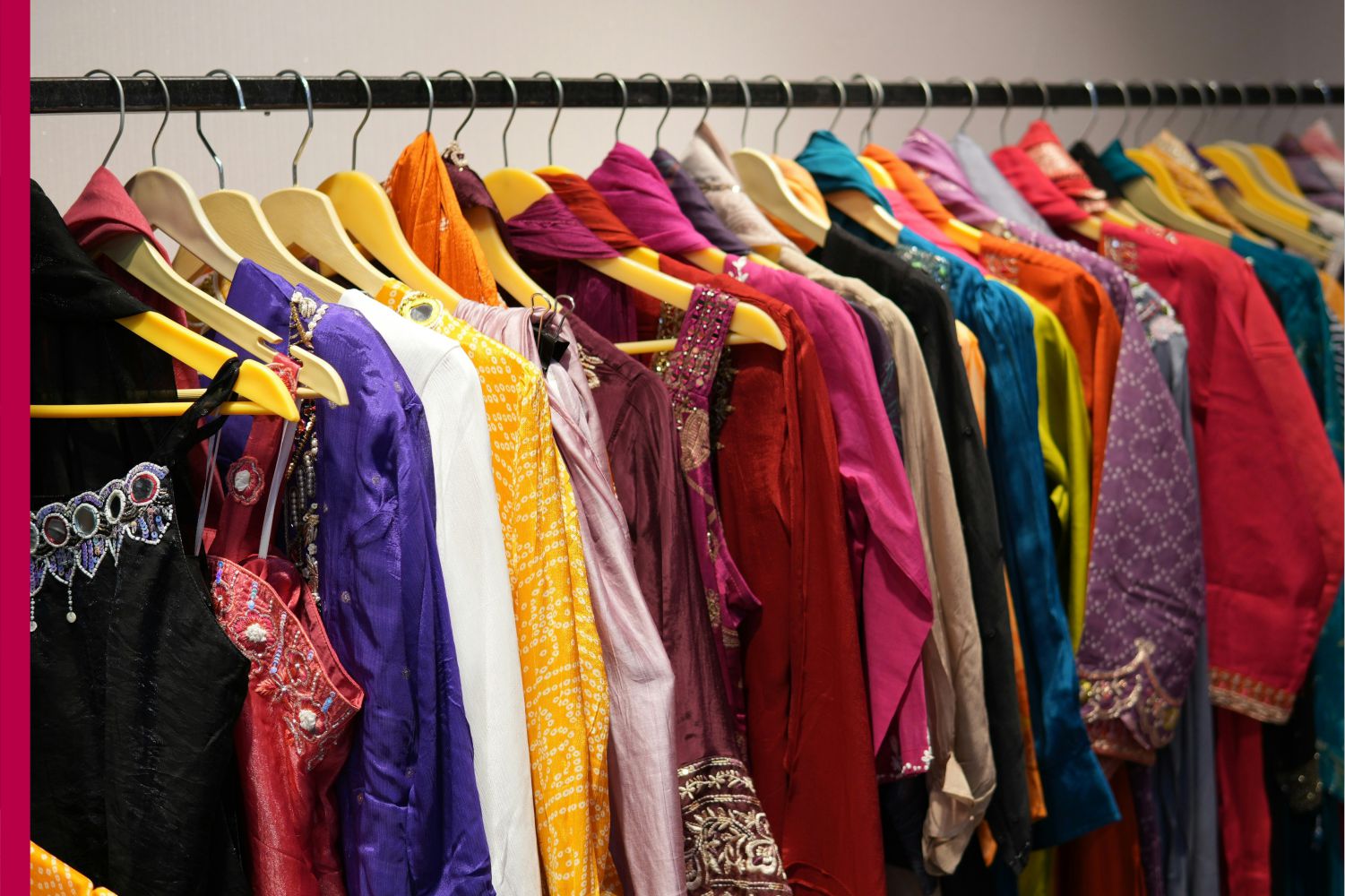
The Indian apparel industry has become an important contributor to the global fashion market, offering significant export opportunities for manufacturers, designers, and textile businesses. With a rich heritage of textiles, skilled craftsmanship, diverse production capabilities, and growing adoption of modern technology, India is emerging as a strong destination for international apparel sourcing. The demand for Indian garments continues to expand as global buyers seek quality products, sustainable fashion solutions, and unique designs.
India has a long history of textile and clothing production, making apparel one of the country’s most established industries. Traditional skills such as weaving, embroidery, handloom techniques, and textile craftsmanship provide Indian apparel with a distinctive identity in global markets. Products that combine traditional artistry with modern fashion trends are increasingly attracting international consumers who value originality and cultural uniqueness.
One of the major opportunities for Indian apparel exports comes from the growing global demand for sustainable and ethical fashion. Consumers worldwide are becoming more conscious about environmental impact, responsible manufacturing, and fair labor practices. Indian manufacturers are responding by adopting organic fabrics, recycled materials, eco-friendly dyes, and sustainable production methods. These initiatives help Indian apparel businesses meet the changing expectations of international buyers and strengthen their position in global markets.
The expansion of e-commerce has created new possibilities for Indian apparel exporters. Digital platforms allow brands and manufacturers to reach international customers directly without depending only on traditional retail networks. Small and medium-sized apparel businesses can showcase their collections globally through online marketplaces, social media, and digital marketing campaigns. This has opened doors for emerging designers, boutique brands, and specialized clothing manufacturers.
India’s strong textile supply chain is another advantage supporting apparel exports. The country has capabilities across the entire production process, including fiber production, yarn manufacturing, fabric development, garment manufacturing, and finishing. This integrated ecosystem allows businesses to maintain quality control, reduce production delays, and respond quickly to international market demands.
Fashion categories such as casual wear, ethnic clothing, sportswear, home textiles, and premium garments present significant export potential. Indian ethnic wear, including traditional-inspired fashion, has gained popularity among global consumers due to its unique designs and cultural appeal. At the same time, demand for comfortable everyday clothing and lifestyle apparel continues to grow across international markets.
Government initiatives and trade policies also support the growth of Indian apparel exports. Various programs focused on improving manufacturing capabilities, promoting exports, upgrading technology, and supporting small businesses are helping the industry become more competitive. Investments in infrastructure, skill development, and digital transformation are further strengthening India’s position in the global apparel supply chain.
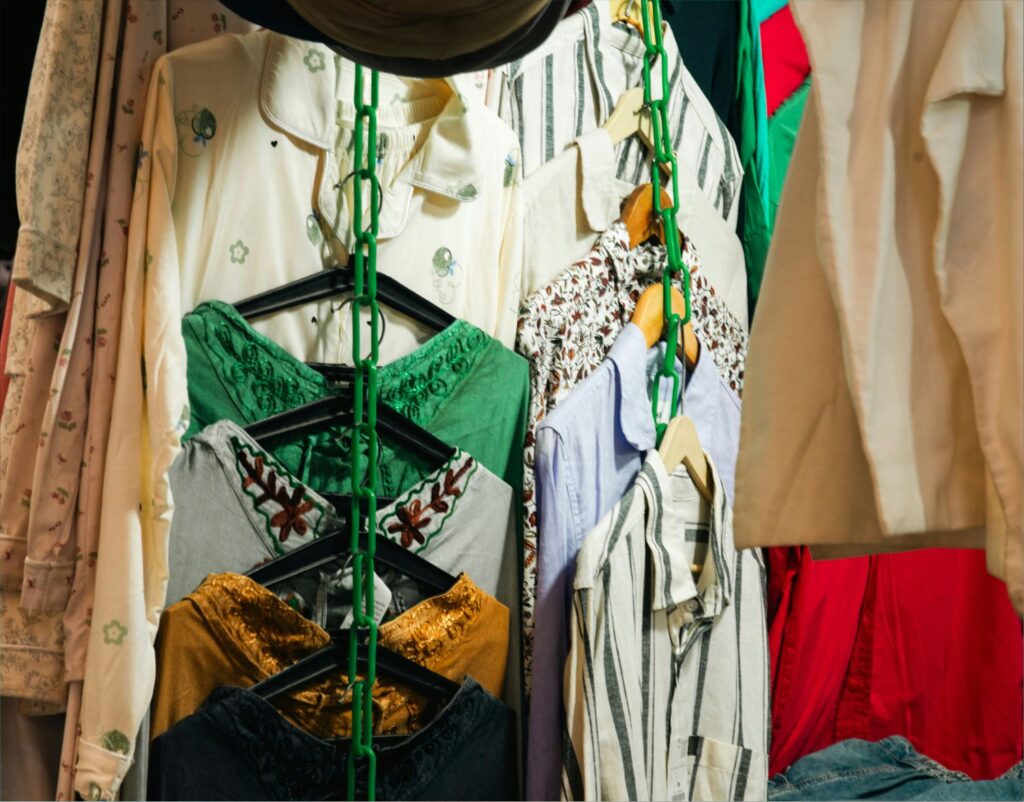
Technology adoption is becoming increasingly important for apparel exporters. Modern manufacturing techniques, automation, digital design tools, and data analytics help businesses improve efficiency and meet international quality standards. Technologies such as 3D design and automated production systems enable faster product development and reduce material waste.
Despite the opportunities, Indian apparel exporters face challenges such as global competition, changing fashion trends, rising production costs, and the need to meet international compliance standards. Countries with large-scale manufacturing capabilities compete strongly in price-sensitive markets. To remain competitive, Indian businesses must focus on innovation, quality improvement, sustainability, and strong branding.
International partnerships also offer opportunities for growth. Collaborations with global fashion brands, retailers, and designers can help Indian manufacturers access new markets and gain exposure to international trends. Building strong relationships with overseas buyers can create long-term export opportunities.
In conclusion, Indian apparel exports have immense potential due to the country’s textile heritage, skilled workforce, sustainable practices, and growing digital capabilities. As global fashion markets continue to evolve, Indian apparel businesses that focus on innovation, quality, sustainability, and customer preferences will be well-positioned to expand their presence worldwide. The future of Indian apparel exports looks promising as the industry continues to connect tradition with modern global fashion demands.