


Agriculture is one of the sectors most affected by climate change. Rising temperatures, unpredictable rainfall, extreme weather events, droughts, floods, and changing pest patterns are creating new challenges for farmers worldwide. As the global population continues to grow, ensuring food security requires farming systems that can adapt to environmental changes. Climate-resilient farming practices provide solutions by helping farmers maintain productivity, protect natural resources, and strengthen agricultural sustainability.
Climate-resilient farming focuses on improving the ability of agricultural systems to prepare for, withstand, and recover from climate-related challenges. These practices combine traditional knowledge, modern technology, and sustainable methods to create farming systems that are both productive and environmentally responsible. The goal is not only to increase crop production but also to protect soil, water, biodiversity, and farmer livelihoods.
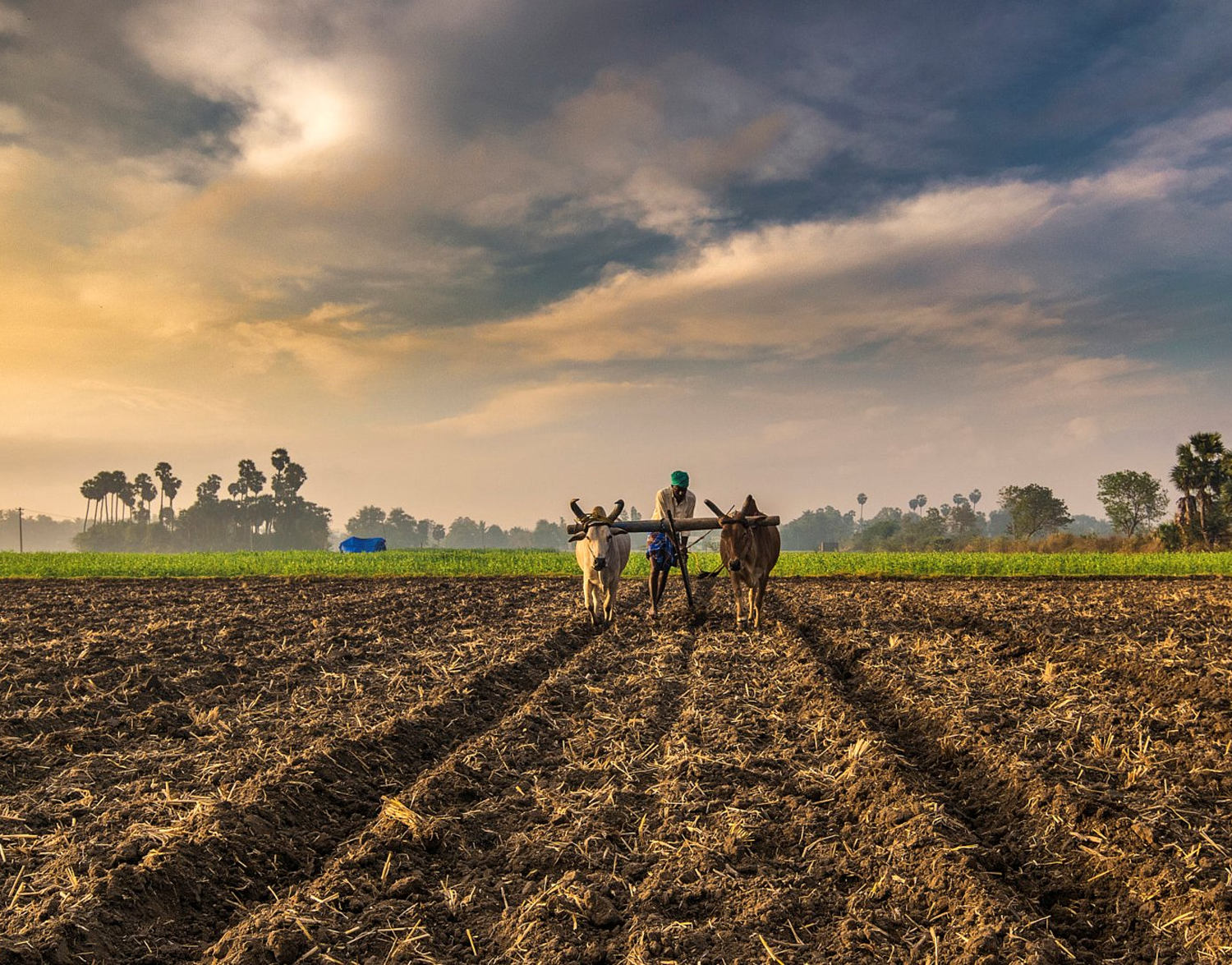
One of the most important climate-resilient farming practices is soil health management. Healthy soil plays a crucial role in supporting plant growth, storing carbon, and improving water retention. Farmers are adopting methods such as composting, organic fertilizers, crop rotation, and reduced tillage to maintain soil quality. Cover crops and natural mulching help prevent soil erosion while improving fertility. Strong soil systems allow crops to better survive drought and extreme weather conditions.
Water management is another essential component of climate-resilient agriculture. Changing rainfall patterns have increased the need for efficient irrigation techniques. Drip irrigation, rainwater harvesting, water recycling, and smart irrigation systems help conserve water while ensuring crops receive adequate moisture. These approaches reduce dependence on unpredictable rainfall and improve water-use efficiency.
Crop diversification is also a powerful strategy for climate adaptation. Growing multiple crops instead of relying on a single variety reduces risks associated with climate changes, pests, and diseases. Farmers are increasingly choosing climate-resistant crop varieties that can tolerate drought, heat, or excessive rainfall. Indigenous crops and traditional seed varieties are also gaining attention because they often have natural resilience to local environmental conditions.
Agroforestry is another effective climate-resilient farming practice. This approach integrates trees and shrubs into agricultural landscapes, creating a balanced ecosystem. Trees help reduce soil erosion, improve biodiversity, provide shade, and capture carbon dioxide from the atmosphere. Agroforestry systems can also provide farmers with additional sources of income through fruits, timber, and other products.
Technology is playing an important role in modern climate-resilient farming. Digital tools, satellite monitoring, weather forecasting systems, and Artificial Intelligence (AI) are helping farmers make better decisions. Precision agriculture technologies can monitor soil conditions, optimize fertilizer use, and improve resource management. Access to accurate climate information enables farmers to prepare for extreme weather events and reduce losses.
Sustainable pest management is another key practice. Climate change can increase the spread of pests and diseases, affecting crop production. Integrated Pest Management (IPM) techniques use biological control methods, natural predators, and careful monitoring to reduce dependence on chemical pesticides. This protects ecosystems while maintaining crop health.
Livestock management also benefits from climate-resilient approaches. Farmers are adopting improved animal nutrition, better shelter systems, and climate-adapted breeds to protect livestock from heat stress and changing environmental conditions. Sustainable livestock practices contribute to both food security and environmental protection.
Despite the benefits, implementing climate-resilient farming practices can be challenging. Farmers may face barriers such as limited access to technology, financial constraints, lack of training, and uncertainty about new methods. Support from governments, agricultural organizations, and research institutions is essential to encourage adoption and provide necessary resources.
In conclusion, climate-resilient farming practices are vital for creating a sustainable and secure agricultural future. By improving soil health, conserving water, adopting smart technologies, diversifying crops, and protecting ecosystems, farmers can adapt to climate challenges while maintaining productivity. As climate change continues to impact agriculture, resilient farming will play a central role in ensuring food security and supporting communities around the world.