




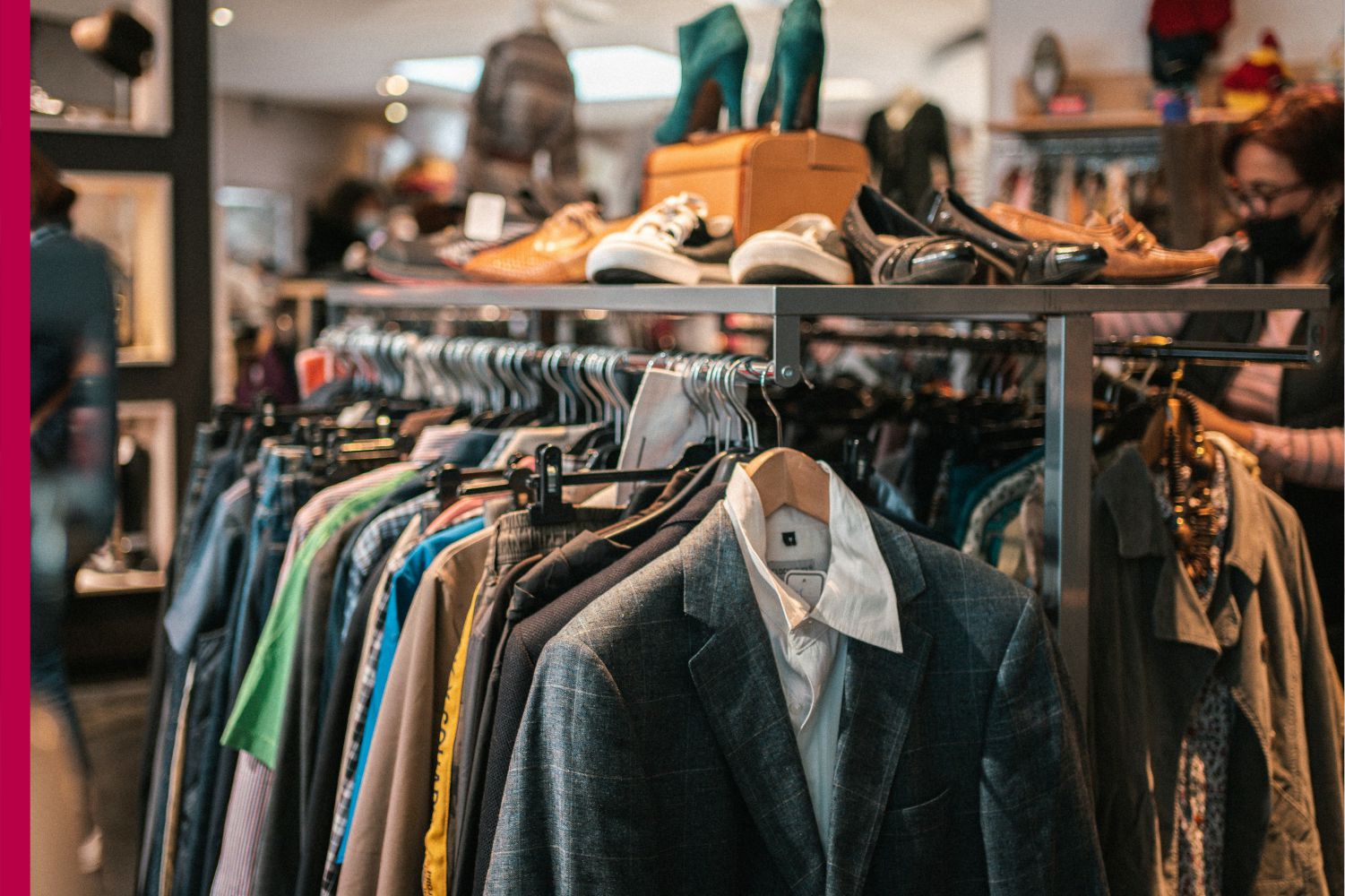
The global fashion industry is one of the largest and most dynamic sectors in international trade, creating significant export opportunities for manufacturers, designers, and apparel businesses worldwide. As consumer demand for clothing, footwear, accessories, and sustainable fashion products continues to grow across international markets, fashion exports have become a major driver of economic growth and employment. Countries with strong textile and garment industries are increasingly leveraging global trade opportunities to expand their market presence and strengthen their competitive advantage.
One of the primary factors driving fashion export growth is the increasing globalization of consumer markets. Fashion trends now spread rapidly across borders through social media, e-commerce platforms, fashion influencers, and international retail brands. Consumers around the world have access to a wide variety of products from different countries, creating opportunities for fashion exporters to reach new audiences and diversify their customer base.
The rise of e-commerce has significantly transformed fashion exports. Online marketplaces and digital retail platforms allow fashion brands to sell products directly to international customers without the need for extensive physical retail networks. Small and medium-sized fashion businesses can now access global markets more easily than ever before. Cross-border e-commerce has reduced entry barriers and enabled brands to showcase their products to consumers worldwide.
Sustainable and ethical fashion has emerged as a major export opportunity in recent years. Consumers are becoming more conscious of environmental and social issues related to clothing production. Demand for organic fabrics, eco-friendly materials, recycled textiles, and ethically manufactured apparel is increasing in many international markets. Fashion exporters that prioritize sustainability and transparency can gain a competitive edge and attract environmentally conscious consumers.
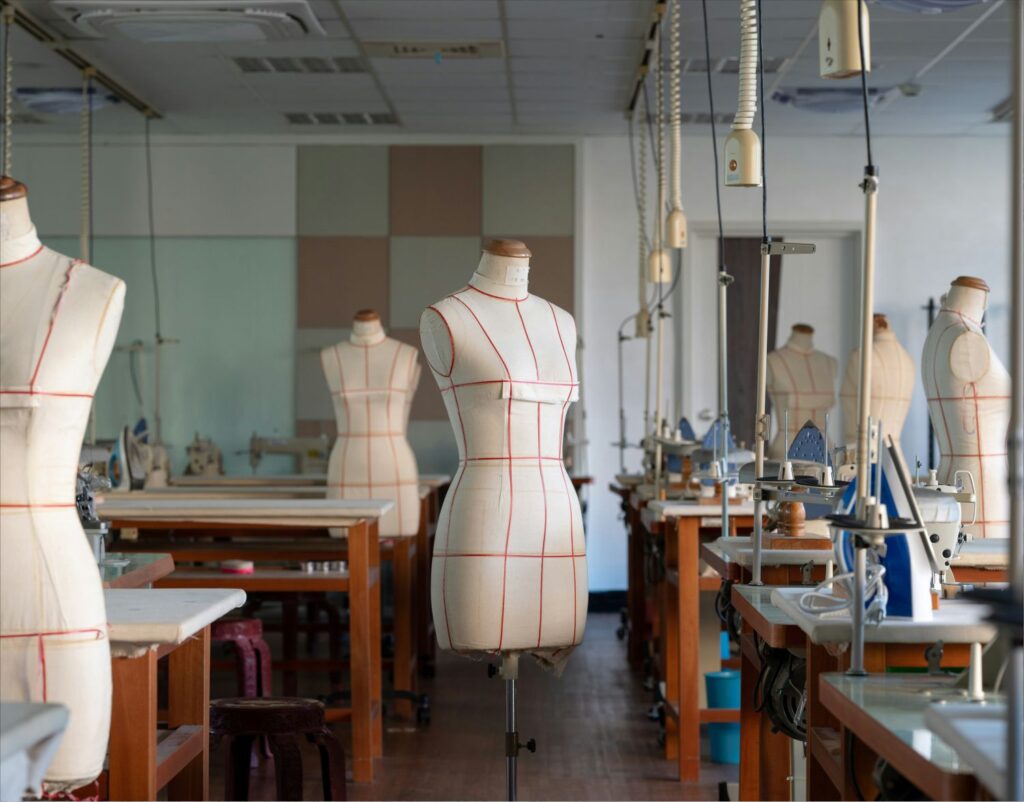
Many developing countries possess strong advantages in fashion exports due to their textile manufacturing capabilities, skilled workforce, and cost-effective production systems. Nations with established garment industries often serve as major suppliers to international fashion brands and retailers. Investments in modern manufacturing technologies, quality control systems, and design innovation further enhance export competitiveness.
Fashion accessories also represent a growing export segment. Handbags, footwear, jewelry, scarves, belts, and other fashion accessories are in high demand across global markets. Products that reflect unique cultural craftsmanship and traditional artistry often attract international buyers seeking distinctive and authentic fashion items. This creates opportunities for local artisans and small businesses to participate in the global fashion economy.
Trade agreements and government support programs play an important role in promoting fashion exports. Many governments offer incentives, export promotion initiatives, financial assistance, and infrastructure support to help fashion businesses expand internationally. Favorable trade agreements can reduce tariffs and improve market access, making exports more competitive in foreign markets.
Technology and digital marketing have become essential tools for fashion exporters. Social media platforms, influencer collaborations, virtual fashion shows, and online advertising help brands build international visibility and engage global audiences. Data analytics also enables businesses to understand consumer preferences and tailor products for specific markets.
Despite the opportunities, fashion exporters face challenges such as changing consumer trends, intense competition, supply chain disruptions, and compliance with international quality and sustainability standards. Businesses must remain agile, innovative, and customer-focused to succeed in the global marketplace.
In conclusion, fashion export opportunities continue to expand as globalization, e-commerce, and consumer demand drive growth in international markets. Sustainable fashion, digital commerce, and innovative product design are opening new avenues for businesses of all sizes. Companies that invest in quality, sustainability, branding, and market research will be well-positioned to capitalize on the growing opportunities in the global fashion export industry.