


Home workout routines have become one of the fastest-growing trends in the global fitness industry. What was once considered an alternative to gym training has now evolved into a mainstream fitness movement embraced by people of all ages and lifestyles. Advances in digital technology, changing work habits, busy schedules, and increased health awareness have all contributed to the rapid growth of home-based fitness routines. Today, millions of people worldwide prefer exercising at home due to its convenience, flexibility, and affordability.
One of the biggest reasons behind the popularity of home workouts is convenience. Traditional gym memberships often require commuting, fixed schedules, and additional expenses. Home workouts eliminate travel time and allow individuals to exercise whenever it fits their daily routine. Busy professionals, students, parents, and remote workers particularly appreciate the flexibility of working out from home without disrupting their schedules.
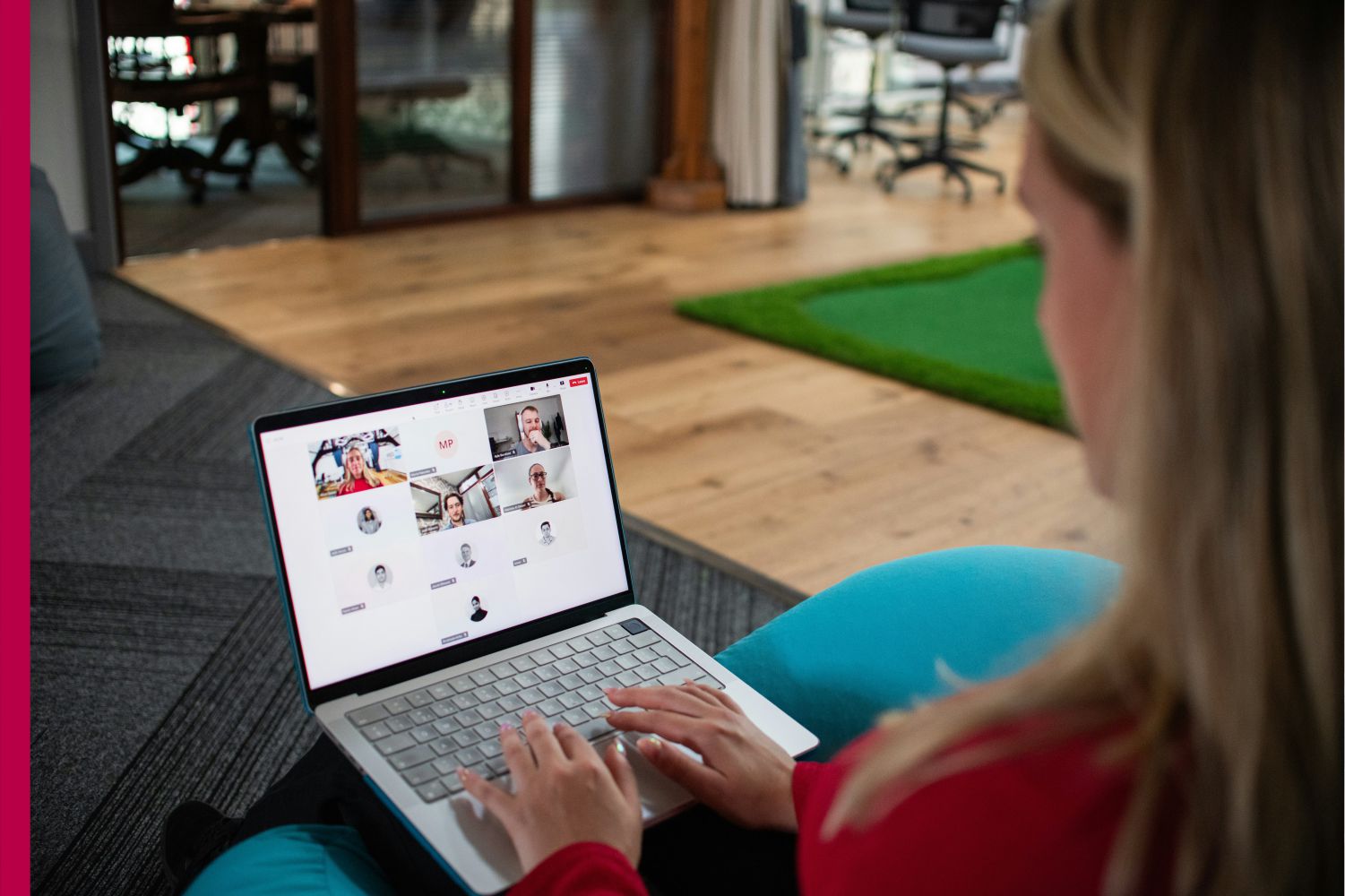
The COVID-19 pandemic played a major role in accelerating the home fitness trend. During lockdowns and gym closures, people turned to online workout videos, virtual fitness classes, and fitness applications to maintain physical activity. This shift introduced many individuals to the effectiveness and accessibility of home exercise routines. Even after restrictions ended, many people continued with home workouts because they found them more comfortable and sustainable.
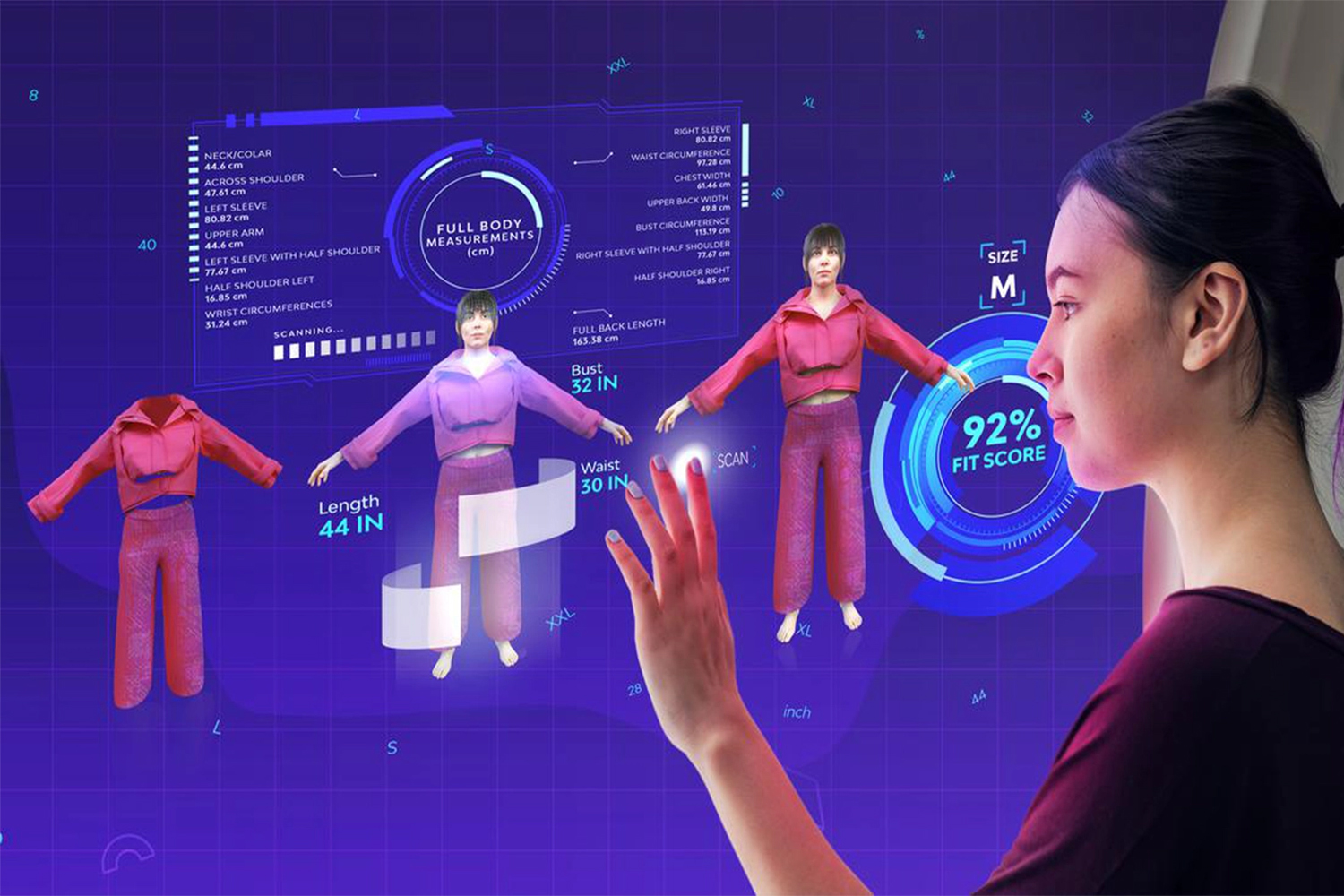
Technology has significantly transformed the home fitness experience. Fitness applications, wearable devices, smart watches, and online coaching platforms now offer personalized workout plans, progress tracking, and virtual guidance. Streaming services provide access to yoga sessions, strength training, cardio workouts, dance fitness, and meditation classes from anywhere. Artificial Intelligence (AI) and virtual trainers are making home workouts more interactive and customized.
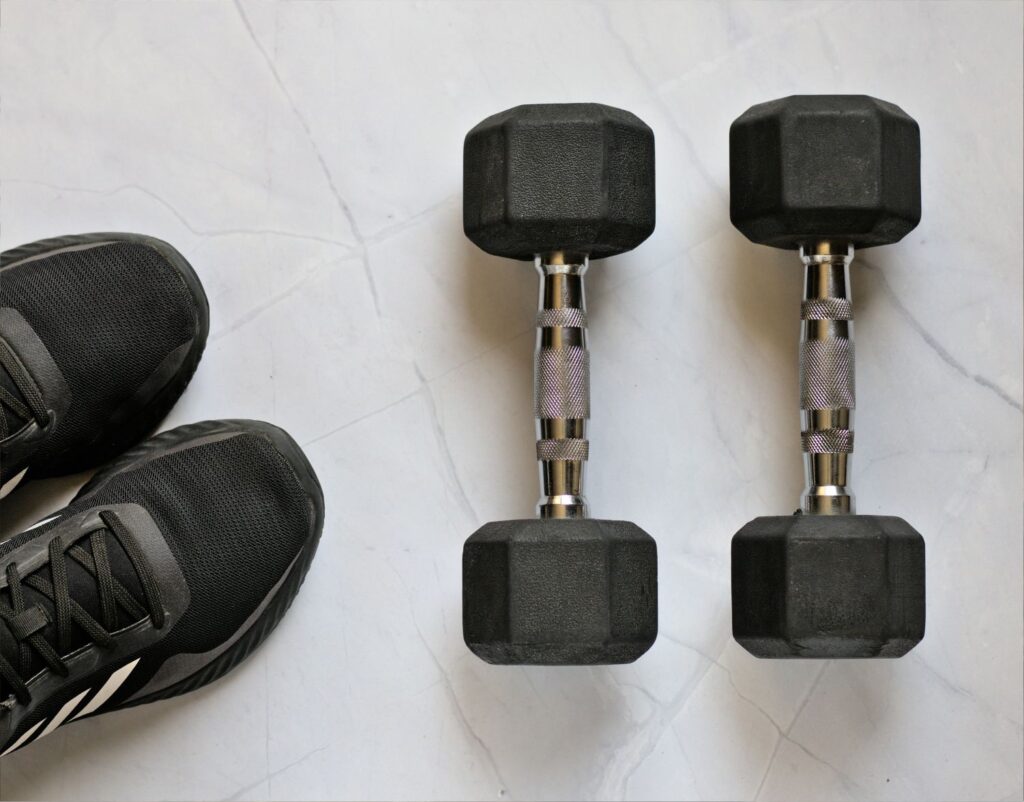
Another important factor driving home fitness growth is affordability. Gym memberships, personal trainers, and fitness clubs can be expensive for many individuals. Home workouts often require minimal equipment such as resistance bands, dumbbells, yoga mats, or bodyweight exercises. Free online tutorials and fitness content on social media platforms have also made exercise accessible to a larger audience regardless of financial background.
Home workout routines also support mental health and overall wellness. Exercise helps reduce stress, anxiety, and fatigue while improving energy levels and mood. Many people find home workouts less intimidating than crowded gym environments, making fitness more approachable for beginners. Practices such as yoga, stretching, meditation, and low-impact training have become increasingly popular among people seeking both physical and mental balance.
Social media influencers and fitness creators have contributed greatly to the popularity of home workouts. Platforms such as YouTube, Instagram, and TikTok provide endless fitness content ranging from quick workouts to full training programs. Influencers motivate audiences through challenges, live sessions, and wellness tips, creating online fitness communities that encourage consistency and engagement.
Despite its advantages, home fitness also presents challenges. Lack of motivation, limited space, distractions, and incorrect exercise techniques can affect workout quality. Some individuals may miss the social environment and professional equipment available in traditional gyms. Maintaining discipline and proper workout structure is essential for long-term success in home-based fitness routines.
In conclusion, the growth of home workout routines reflects changing lifestyles, technological innovation, and increasing health awareness. Convenience, affordability, and digital accessibility have made home fitness a lasting trend rather than a temporary solution. As technology and wellness culture continue to evolve, home workouts are expected to remain an important part of the global fitness industry and modern healthy living.