


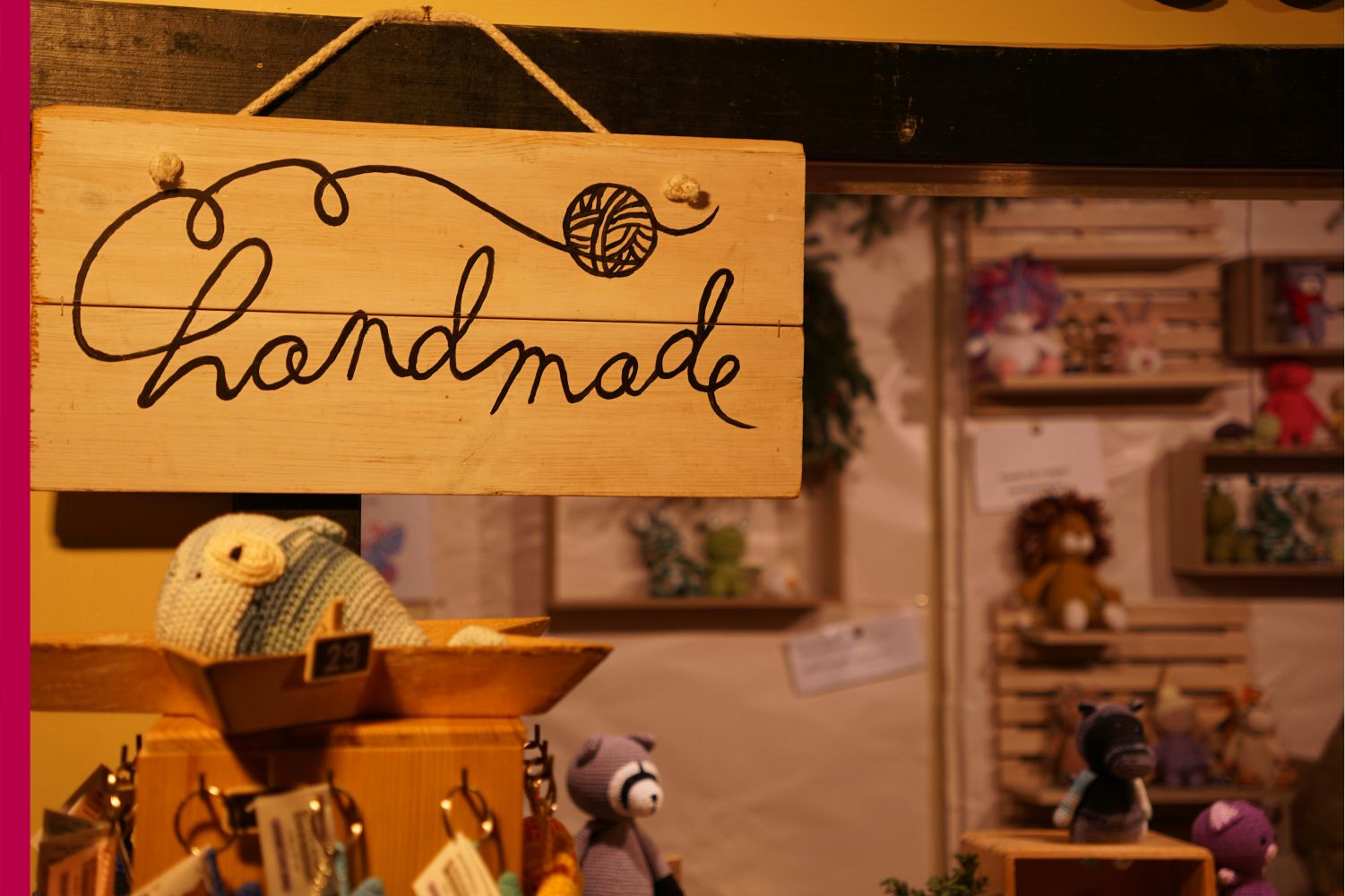

The art industry has undergone a major transformation with the rise of digital technology, leading to an ongoing debate between handmade art and digital art. Both forms of creativity have gained strong audiences and commercial value in today’s market. While handmade art is admired for its authenticity and craftsmanship, digital art is appreciated for its innovation, convenience, and adaptability. Modern consumers are increasingly exposed to both styles, and their preferences often depend on emotional connection, functionality, accessibility, and artistic purpose.
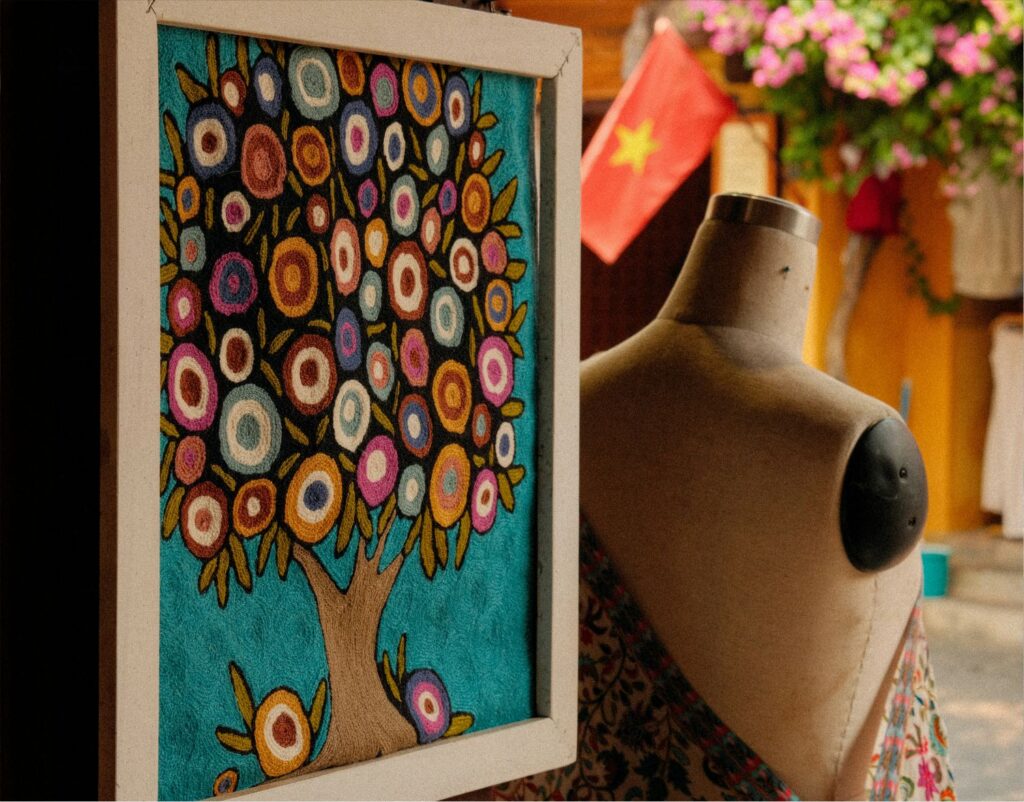
Handmade art has traditionally been associated with originality and personal expression. Paintings, sketches, sculptures, embroidery, and handcrafted artwork reflect the artist’s direct physical effort and skill. Consumers often value handmade art because every piece is unique and carries emotional depth. Brush strokes, textures, and imperfections add character to traditional artwork, making it feel more personal and authentic. Many art collectors and enthusiasts continue to prefer handmade creations because they represent craftsmanship and timeless artistic traditions.
One major reason consumers appreciate handmade art is its physical presence. Original paintings and handcrafted pieces can create a strong emotional and visual impact in homes, galleries, and workplaces. Handmade art is often viewed as more valuable because it cannot be perfectly duplicated. Buyers interested in luxury, exclusivity, and cultural heritage are especially attracted to traditional artistic methods.
On the other hand, digital art has rapidly gained popularity due to advancements in technology and online platforms. Created using graphic tablets, computers, and digital software, digital art offers endless creative possibilities. Artists can experiment with colors, layers, textures, and effects more efficiently than with traditional materials. Digital art is widely used in industries such as advertising, gaming, animation, social media, film production, and branding.
Modern consumers increasingly prefer digital art because of its accessibility and convenience. Digital artworks can be shared instantly across the internet, customized easily, and reproduced without losing quality. Businesses and content creators often choose digital art because it can quickly adapt to websites, advertisements, social media campaigns, and multimedia projects. Younger audiences who spend more time online are especially comfortable with digital creativity and virtual artistic experiences.
The rise of NFTs (Non-Fungible Tokens) and online art marketplaces has further increased interest in digital art. Artists can now sell digital creations globally, while consumers can purchase exclusive virtual artwork and collectibles. This has opened new opportunities for creators and transformed how people value digital ownership and artistic innovation.
Despite the popularity of digital art, many consumers still believe handmade art offers stronger emotional value and artistic authenticity. Handmade pieces are often seen as more meaningful because they require physical effort, patience, and traditional skills. In contrast, some critics argue that digital tools can make art production faster and easier, though digital artists still require creativity, technical expertise, and imagination.
Interestingly, modern art trends increasingly combine both forms. Many artists begin with hand-drawn sketches and later enhance them digitally. Hybrid art styles allow creators to blend traditional techniques with modern technology, offering consumers the best of both worlds.
In conclusion, consumer preferences between handmade and digital art depend largely on purpose, emotion, and personal taste. Handmade art continues to attract audiences seeking originality and craftsmanship, while digital art appeals to modern consumers who value innovation and accessibility. Rather than competing, both art forms are evolving together and shaping the future of the creative industry in unique and exciting ways.