


In today’s fast-moving world, many professionals struggle to maintain a healthy lifestyle while balancing demanding work schedules, deadlines, meetings, and personal responsibilities. Long working hours, stress, irregular eating habits, and lack of physical activity can negatively affect both physical and mental health. However, fitness is not only important for appearance but also for productivity, energy, focus, and overall well-being. For busy professionals, adopting practical and sustainable fitness habits is essential for maintaining long-term health and performance.
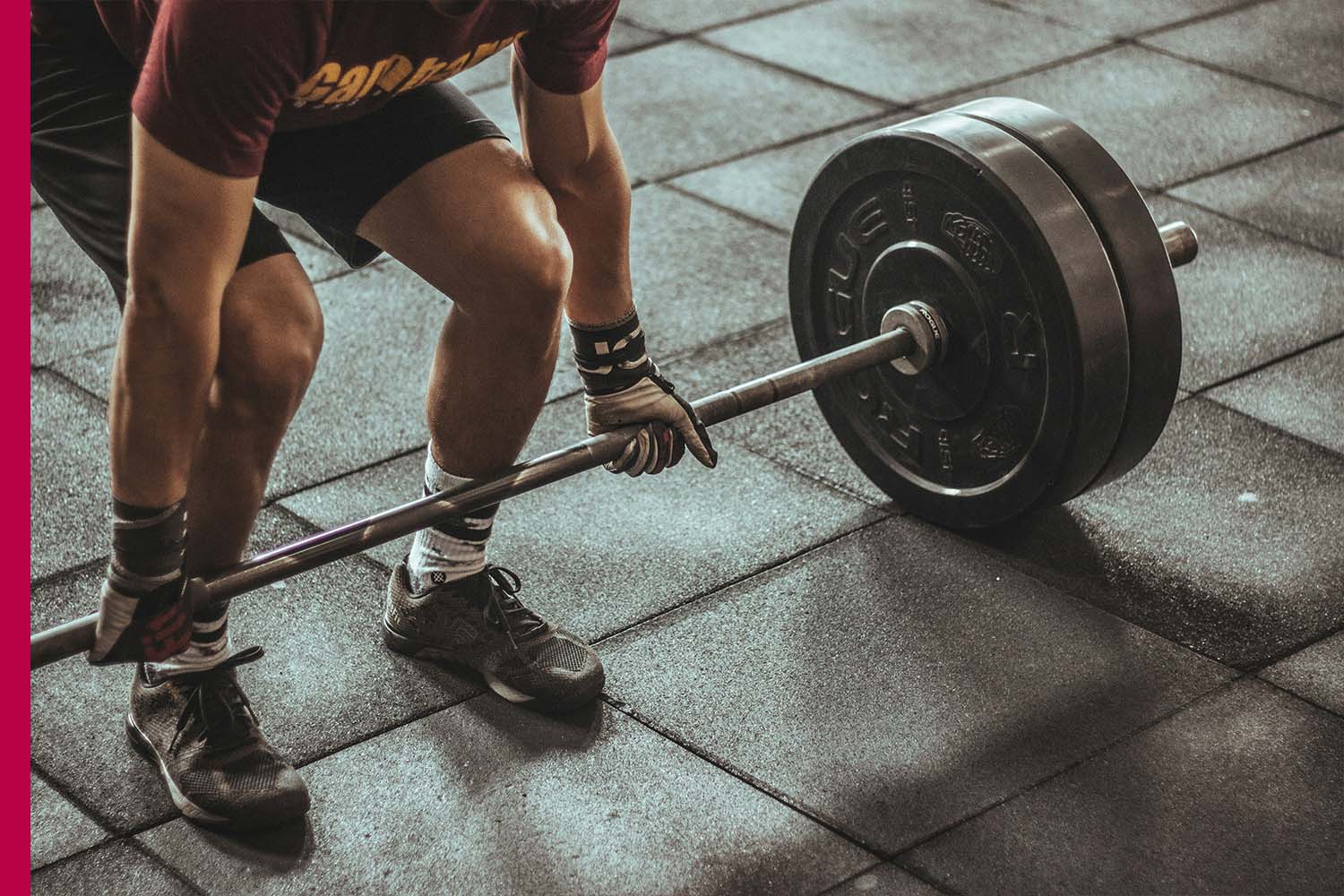
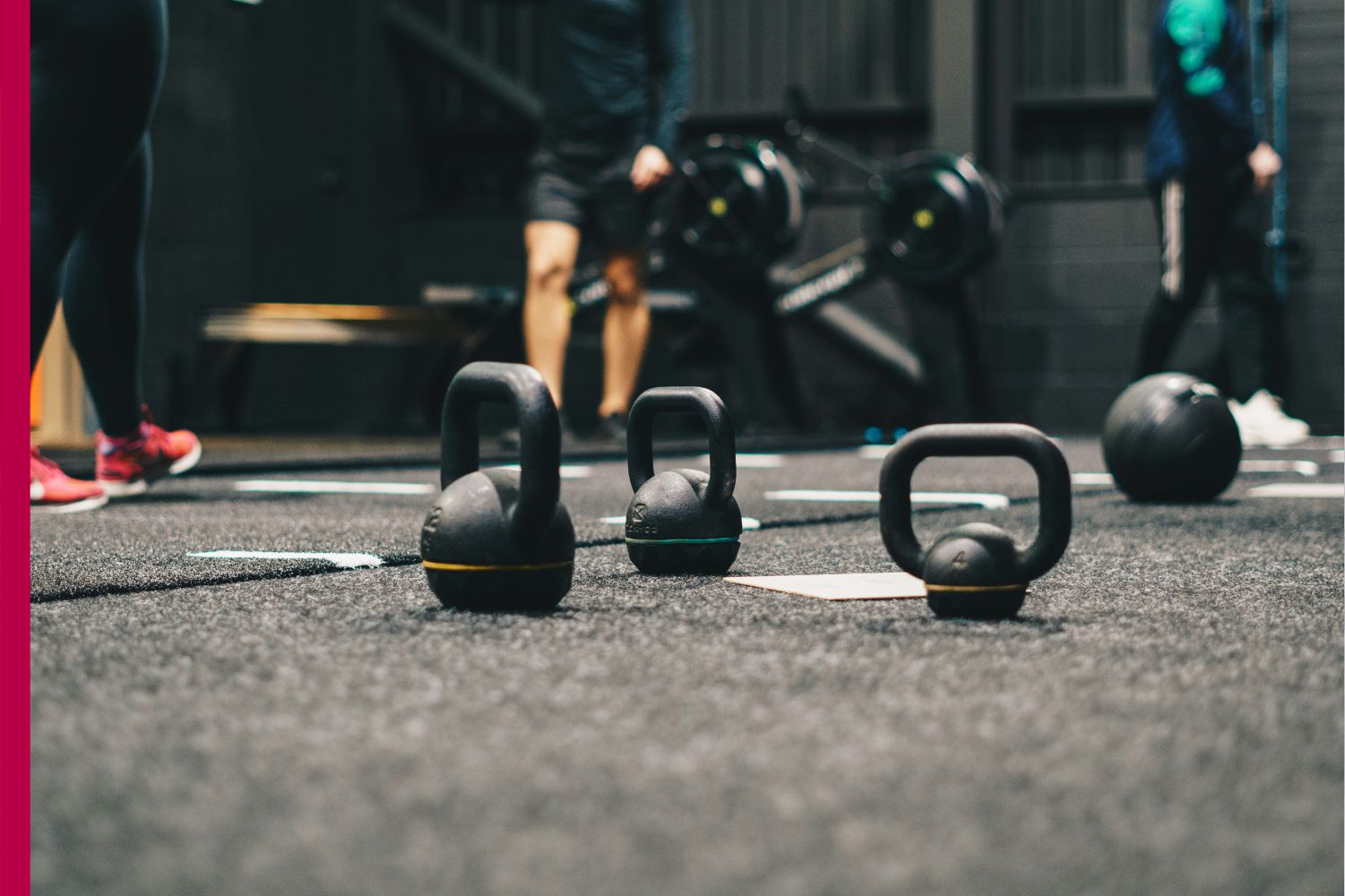
One of the biggest challenges professionals face is finding time for exercise. Many people believe they need long gym sessions to stay fit, but even short and consistent workouts can deliver significant health benefits. High-Intensity Interval Training (HIIT), quick home workouts, stretching sessions, and brisk walking can fit into busy schedules while improving cardiovascular health and energy levels. A focused 20-30 minute workout can often be more effective than long, inconsistent exercise routines.
Creating a fitness routine that fits daily schedules is important for consistency. Morning workouts are popular among professionals because they provide energy and focus for the day ahead. Others may prefer lunchtime walks or evening exercise sessions to relieve stress after work. The key is choosing a routine that feels manageable and realistic rather than overwhelming.
Physical activity can also be integrated into everyday work habits. Taking stairs instead of elevators, walking during phone calls, stretching between meetings, or standing periodically while working can help reduce the negative effects of prolonged sitting. Many professionals spend hours in front of screens, which can lead to posture issues, back pain, and fatigue. Simple movement throughout the day helps improve circulation, flexibility, and overall health.
Nutrition plays an equally important role in fitness for busy professionals. Irregular meals, fast food, excessive caffeine, and unhealthy snacks can reduce energy and productivity. Preparing healthy meals in advance, staying hydrated, and choosing balanced foods rich in protein, fiber, fruits, and vegetables can support physical fitness and mental performance. Healthy eating habits also help maintain stable energy levels throughout demanding workdays.
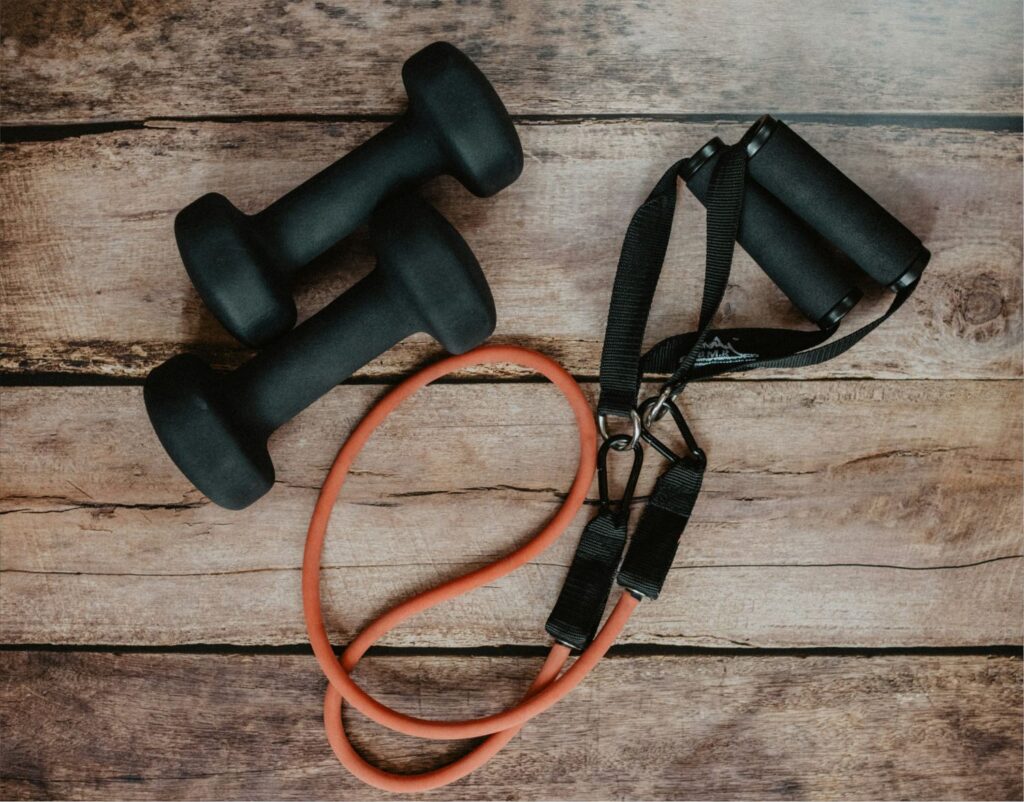
Mental fitness is another essential aspect of overall wellness. Professional stress, deadlines, and constant digital connectivity can lead to anxiety, burnout, and exhaustion. Activities such as yoga, meditation, breathing exercises, and mindfulness practices can improve mental clarity and emotional balance. Adequate sleep is also crucial for recovery, concentration, and long-term health. Without proper rest, even regular exercise may not fully support wellness goals.
Technology has made fitness more accessible for busy individuals. Fitness applications, wearable devices, virtual workout programs, and online coaching help professionals track activity, monitor progress, and stay motivated. Many people now prefer flexible digital fitness solutions that can be used at home, during travel, or between work commitments.
Workplace wellness programs are also becoming more common. Companies increasingly recognize that healthy employees are more productive, motivated, and focused. Some organizations provide fitness memberships, wellness workshops, standing desks, or mental health support to encourage healthier lifestyles among employees.
In conclusion, fitness for busy professionals is about balance, consistency, and smart lifestyle choices rather than extreme routines. Small daily habits, regular movement, healthy eating, stress management, and proper rest can significantly improve physical and mental well-being. In a demanding professional environment, prioritizing fitness is not a luxury but an essential investment in long-term health, productivity, and quality of life.