




Metals are essential building materials that support modern infrastructure and industrial development. From roads, bridges, railways, and airports to energy systems, communication networks, and urban construction, metals form the backbone of global infrastructure. As countries continue investing in modernization, urbanization, renewable energy, and transportation systems, the demand for metals is increasing significantly across the world.
One of the primary reasons for rising metal demand is rapid urbanization. Growing populations and expanding cities require large-scale infrastructure projects such as residential buildings, commercial complexes, transportation systems, and public utilities. Steel, aluminum, copper, and other metals are widely used in construction because of their strength, durability, and versatility. Developing economies especially are experiencing strong infrastructure growth as governments invest in roads, smart cities, and industrial zones.
Steel remains one of the most important metals in infrastructure development. It is used extensively in buildings, bridges, pipelines, railway tracks, and heavy machinery. The construction industry depends heavily on steel for structural support and long-lasting durability. As infrastructure projects expand globally, steel production and consumption continue to rise, making it a key driver of industrial growth.
Copper is another highly valuable metal in modern infrastructure. Known for its excellent electrical conductivity, copper is essential for power generation, electrical wiring, telecommunications, and renewable energy systems. The global transition toward electric vehicles, solar energy, and wind power has further increased demand for copper. Renewable energy infrastructure requires large amounts of copper for efficient electricity transmission and energy storage systems.
Aluminum also plays an increasingly important role in infrastructure and transportation. Its lightweight and corrosion-resistant properties make it ideal for aircraft, automobiles, railway systems, and modern architecture. As industries focus on energy efficiency and sustainability, aluminum demand is expected to grow in sectors seeking lighter and more durable materials.
The expansion of renewable energy infrastructure is creating new opportunities and challenges for the metals industry. Solar panels, wind turbines, battery storage systems, and electric vehicle technologies require significant quantities of metals such as lithium, nickel, cobalt, copper, and rare earth elements. Governments worldwide are investing heavily in clean energy projects, which is driving long-term demand for both traditional and specialty metals.
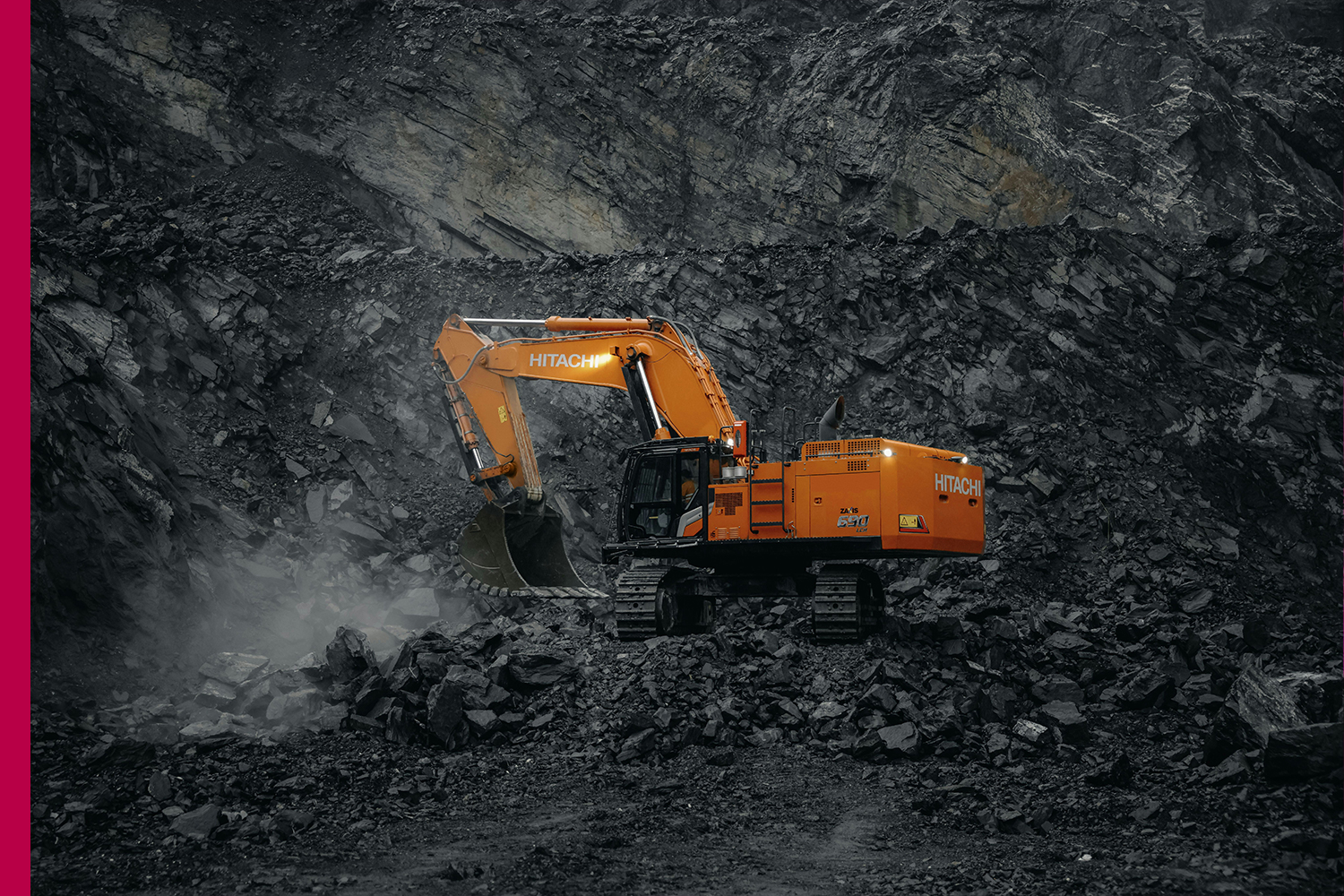
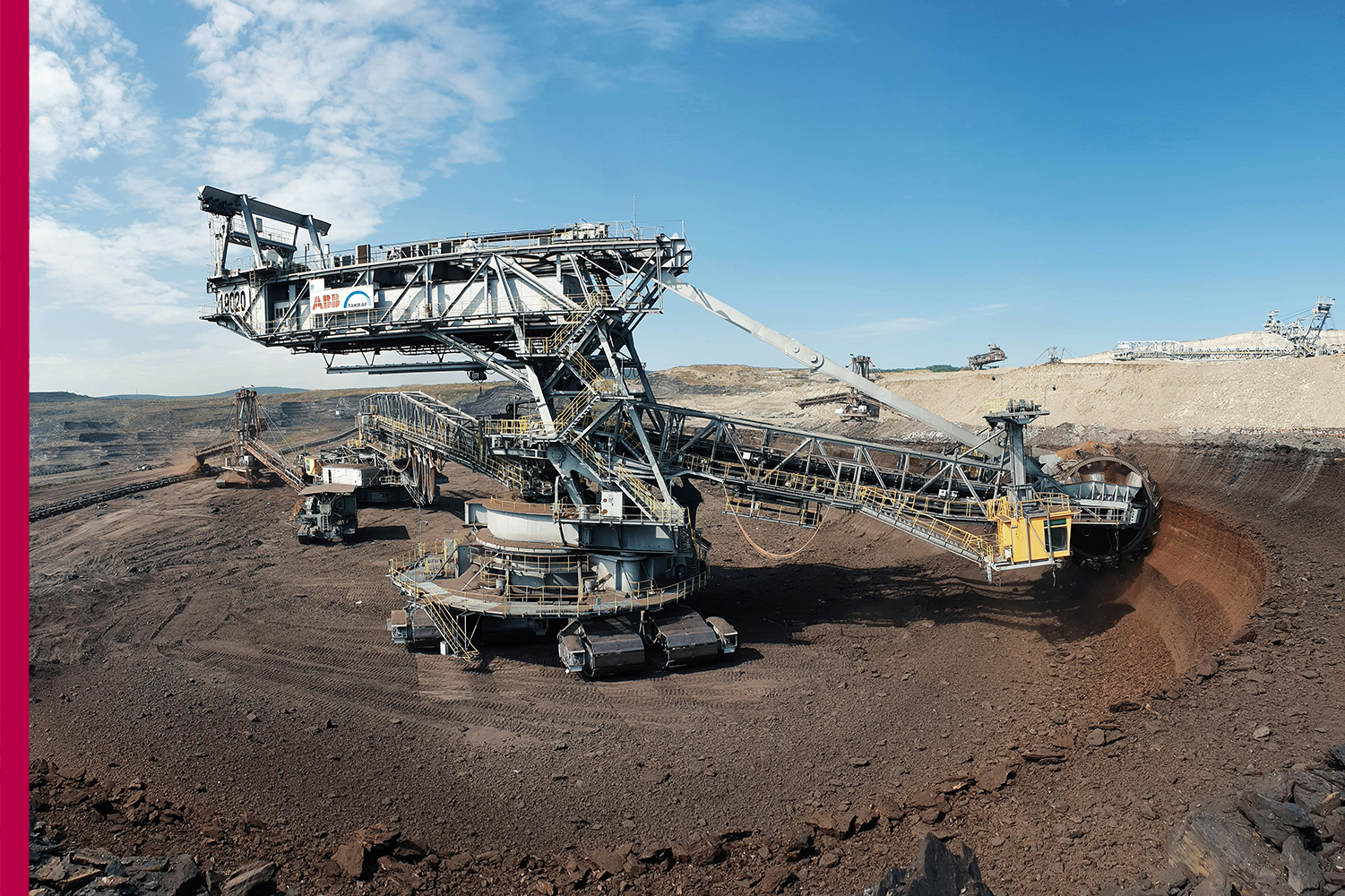
Infrastructure development in emerging economies is also contributing to global metal demand. Countries investing in highways, ports, airports, rail networks, and digital infrastructure require massive quantities of raw materials. Public and private sector investments in industrialization and modernization continue to stimulate mining and metal production industries worldwide.
Despite strong demand, the metals industry faces several challenges. Mining operations often involve environmental concerns such as land degradation, water pollution, and carbon emissions. Sustainability and responsible sourcing have become major priorities for governments, investors, and consumers. Recycling metals and adopting cleaner production technologies are increasingly important for reducing environmental impact and conserving natural resources.
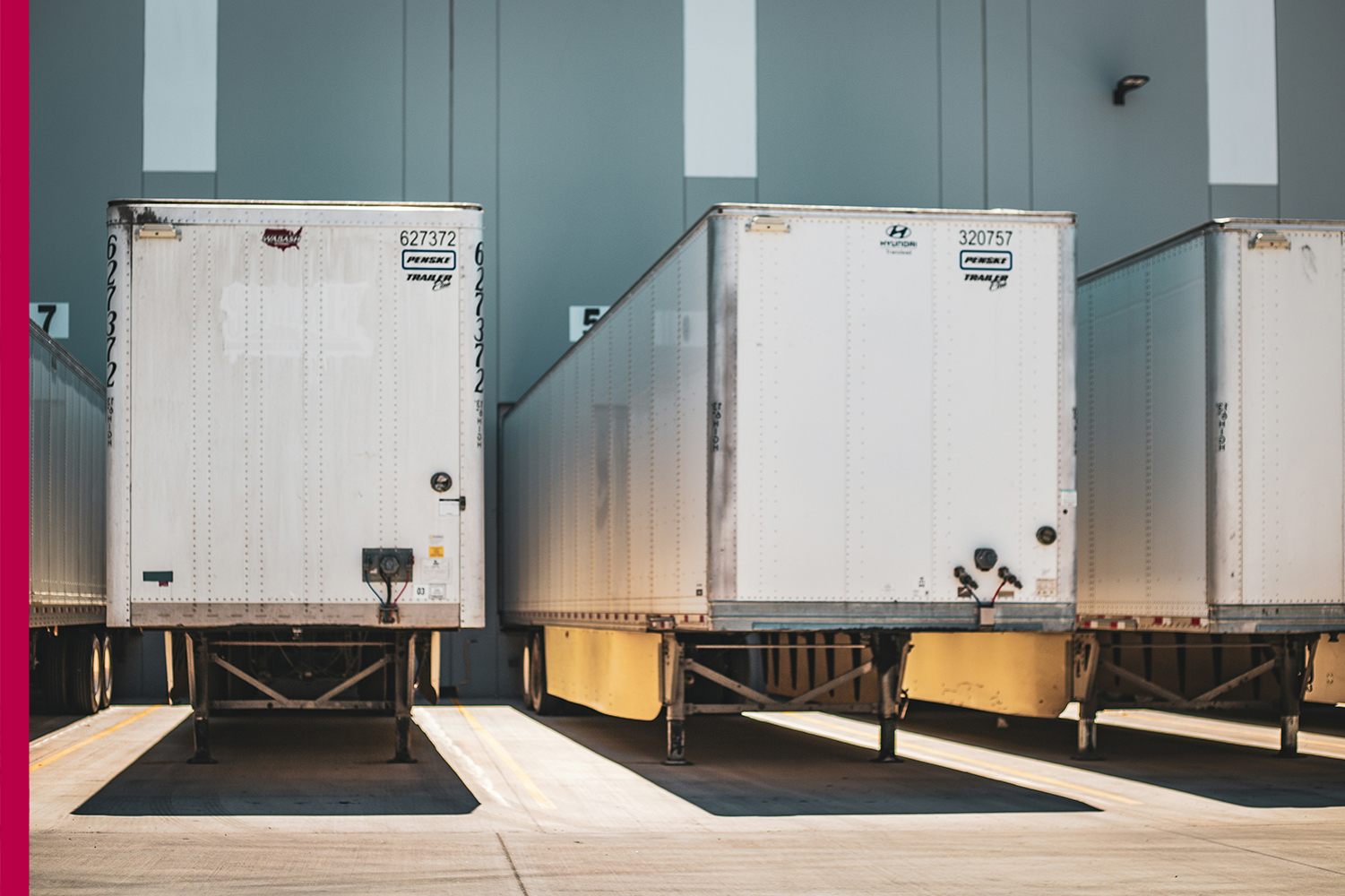
Price volatility and supply chain disruptions also affect the global metals market. Geopolitical tensions, energy costs, trade policies, and raw material shortages can influence metal availability and pricing. As demand continues to rise, securing stable and sustainable supply chains will remain a key challenge for industries and governments.
In conclusion, infrastructure demand for metals continues to drive economic growth, industrial expansion, and technological advancement worldwide. Steel, copper, aluminum, and other metals remain essential for construction, transportation, energy, and communication systems. As global infrastructure projects and clean energy investments accelerate, the metals industry will play a critical role in shaping the future of sustainable development and modernization.