



Cold chain logistics has become an essential part of modern supply chain management, especially for industries that depend on temperature-sensitive products. It refers to the transportation, storage, and distribution of goods under controlled temperature conditions to preserve quality, safety, and shelf life. As global demand for fresh food, pharmaceuticals, vaccines, and perishable products continues to rise, the expansion of cold chain logistics is transforming international trade and supply systems worldwide.
One of the main drivers behind the growth of cold chain logistics is the increasing demand for fresh and processed food products. Consumers today expect year-round availability of fruits, vegetables, dairy products, seafood, frozen foods, and meat regardless of seasonal limitations. Cold chain systems ensure that these products remain fresh and safe during transportation from farms and factories to retail stores and consumers. This expansion has significantly reduced food spoilage and improved food security in many regions.
The pharmaceutical and healthcare sectors have also accelerated the importance of cold chain logistics. Many medicines, vaccines, and biotechnology products require strict temperature control to maintain effectiveness. The global distribution of vaccines during health emergencies highlighted the critical role of advanced refrigerated transportation and storage systems. Reliable cold chain infrastructure is now considered essential for healthcare delivery and medical supply management.
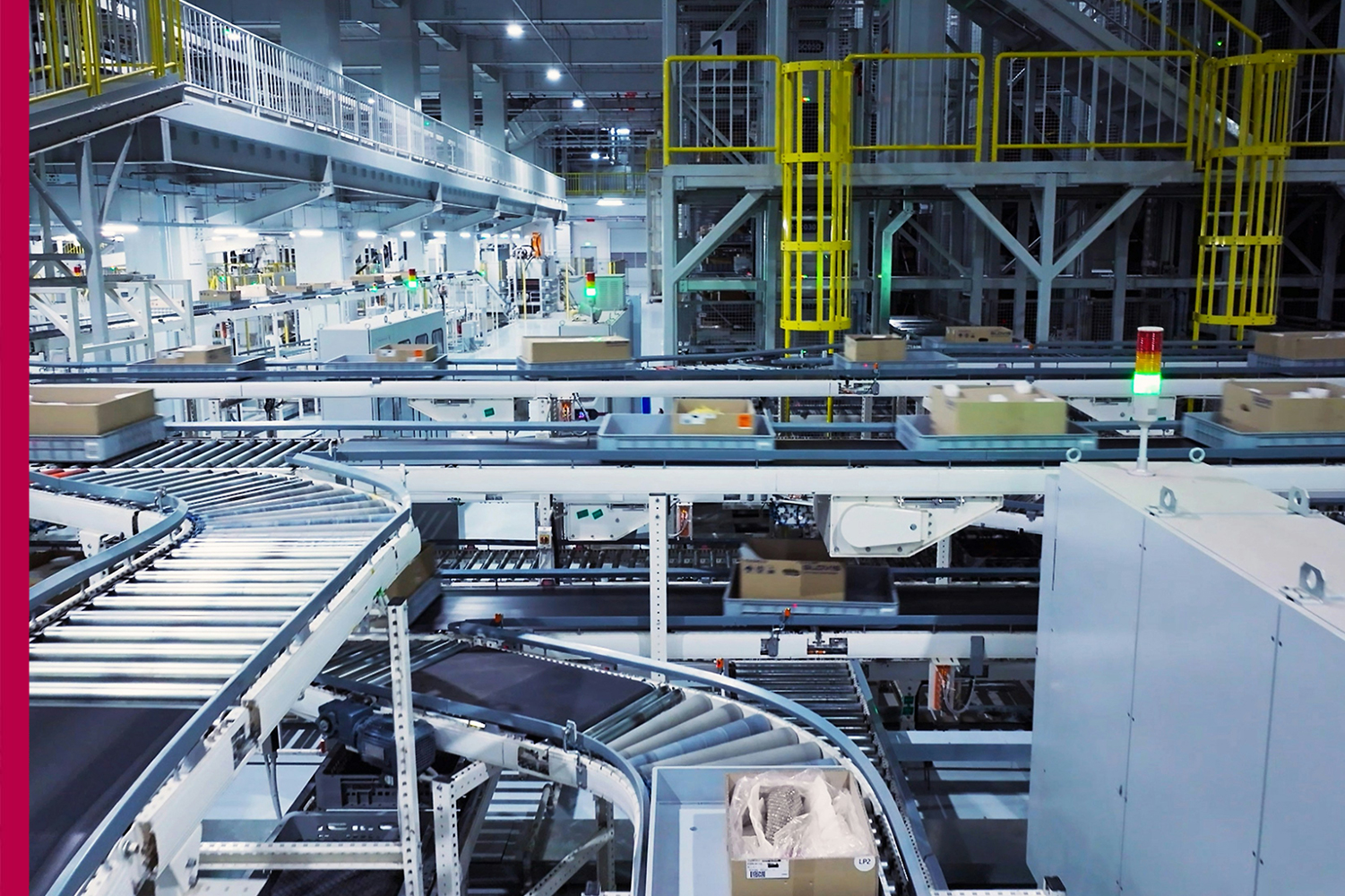
Technological advancements are playing a major role in improving cold chain logistics efficiency. Modern refrigerated warehouses, temperature-controlled vehicles, and smart monitoring systems help maintain product quality throughout the supply chain. Internet of Things (IoT) sensors, GPS tracking, and real-time temperature monitoring allow companies to detect issues immediately and prevent product damage. Automation and data analytics further improve operational efficiency and inventory management.
E-commerce growth has also contributed to the expansion of cold chain logistics. Online grocery shopping, meal delivery services, and direct-to-consumer food businesses require efficient refrigerated distribution networks. Consumers increasingly expect quick delivery of fresh and frozen products, encouraging logistics providers to invest in advanced cold storage and transportation systems.
Globalization has expanded international trade in perishable goods, increasing the need for strong cold chain infrastructure. Countries export and import large quantities of seafood, dairy products, flowers, fruits, and pharmaceuticals across continents. Efficient cold chain systems help maintain product quality over long distances while meeting international safety standards and regulations.
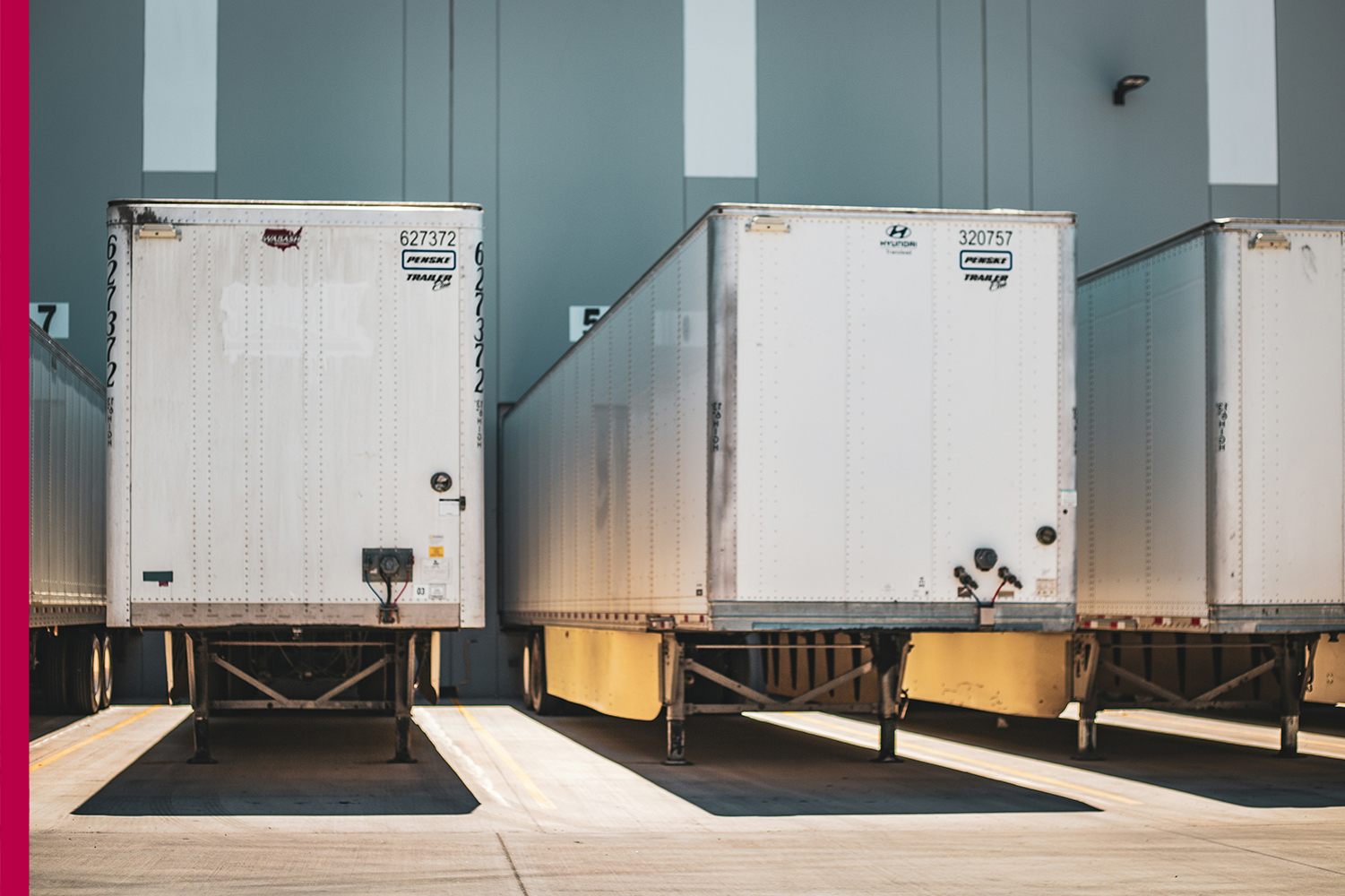
Despite its rapid growth, cold chain logistics faces several challenges. High infrastructure and operational costs remain a major concern, especially in developing regions. Refrigerated transportation, energy consumption, and cold storage facilities require significant investment. Inconsistent electricity supply, poor road infrastructure, and limited technology adoption can also affect cold chain performance in certain areas.
Sustainability has become another important focus in cold chain logistics expansion. Refrigeration systems consume large amounts of energy and may contribute to environmental concerns if not managed responsibly. Companies are increasingly adopting energy-efficient technologies, eco-friendly refrigerants, and sustainable packaging solutions to reduce environmental impact while maintaining product safety.
Governments and private sectors worldwide are investing heavily in cold chain infrastructure to support agriculture, healthcare, and international trade. Improved logistics networks not only reduce product wastage but also increase economic opportunities for farmers, manufacturers, and exporters.
In conclusion, cold chain logistics expansion is playing a vital role in supporting modern economies, healthcare systems, and global food supply chains. With growing demand for temperature-sensitive products and advancements in technology, the cold chain industry will continue to expand and evolve. Efficient, sustainable, and reliable cold chain systems will remain essential for ensuring product quality, reducing waste, and supporting global commerce in the future.