




Digital payments have transformed the financial landscape of emerging economies over the past decade. What once depended heavily on cash transactions has rapidly evolved into a digitally connected financial ecosystem powered by smartphones, internet access, and financial technology innovations. From mobile wallets and QR code payments to online banking and real-time transactions, digital payment systems are reshaping how people save, spend, and conduct business in developing regions around the world.
One of the main drivers behind the growth of digital payments in emerging economies is the rapid expansion of smartphone usage and internet connectivity. Millions of people who previously had limited access to traditional banking services can now use mobile applications to transfer money, pay bills, shop online, and receive salaries. Mobile technology has made financial services more accessible, especially in rural and underserved areas where physical banking infrastructure is limited.
Government initiatives have also played a major role in accelerating digital payment adoption. Many countries have introduced policies promoting cashless transactions, financial inclusion, and digital banking systems. Programs supporting digital identity verification, instant payment systems, and secure financial networks have encouraged individuals and businesses to shift toward electronic payments. In several emerging economies, governments also use digital platforms to distribute subsidies, pensions, and welfare benefits directly to citizens.
The rise of mobile wallets and fintech companies has significantly changed consumer behavior. Digital payment platforms offer convenience, speed, and lower transaction costs compared to traditional banking methods. Small businesses and street vendors can now accept digital payments through QR codes and mobile applications without requiring expensive payment terminals. This has helped increase financial participation among small merchants and informal businesses.
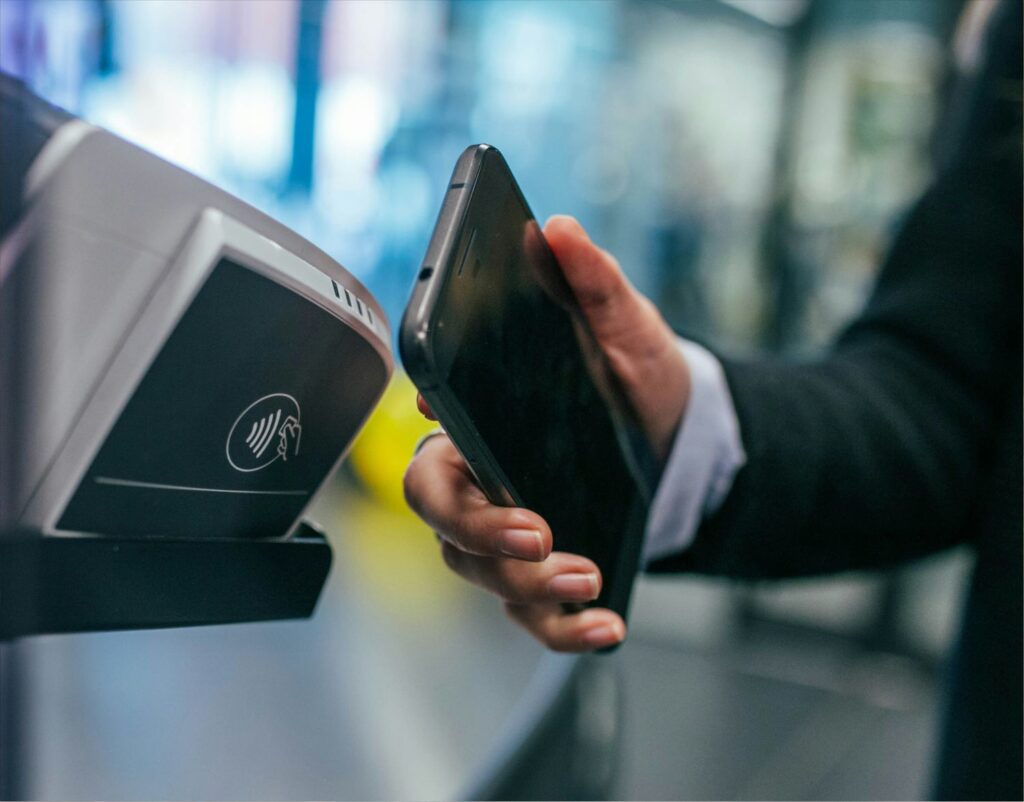
The COVID-19 pandemic further accelerated the shift toward digital payments. Concerns about physical contact and lockdown restrictions encouraged consumers and businesses to adopt online transactions, contactless payments, and e-commerce platforms. Many first-time digital users became comfortable with cashless systems during this period, leading to long-term behavioral changes in payment habits.
Digital payments have also contributed to financial inclusion by bringing banking services to previously unbanked populations. Millions of people in emerging economies now have access to digital savings accounts, microloans, insurance, and investment services through mobile platforms. This accessibility helps individuals participate more actively in the formal economy and improve financial security.
Despite the progress, several challenges remain in the digital payment ecosystem. Cybersecurity threats, online fraud, data privacy concerns, and digital literacy gaps continue to affect adoption and trust. In rural regions, limited internet access and lack of technological awareness can slow digital payment growth. Governments and financial institutions must continue investing in secure systems, user education, and digital infrastructure.
Cross-border digital payments are also becoming increasingly important as international trade and freelance work grow in emerging markets. Fintech innovations are helping reduce transaction costs and improve the speed of international money transfers, benefiting businesses, migrant workers, and global service providers.
Looking ahead, technologies such as Artificial Intelligence (AI), blockchain, biometric authentication, and Central Bank Digital Currencies (CBDCs) are expected to further reshape digital payments in emerging economies. These innovations could improve security, efficiency, and accessibility while supporting economic development and financial modernization.
In conclusion, the evolution of digital payments in emerging economies represents a major shift toward financial inclusion, convenience, and economic growth. As technology continues to advance, digital payment systems will play an increasingly important role in shaping the future of commerce, banking, and everyday financial transactions worldwide.