





Wearable fitness technology has become one of the fastest-growing trends in the health and wellness industry. From smartwatches and fitness bands to smart clothing and health-monitoring devices, wearable technology is helping people track physical activity, monitor health conditions, and achieve fitness goals more effectively. As digital innovation continues to advance, wearable fitness devices are becoming smarter, more accurate, and more integrated into everyday life.
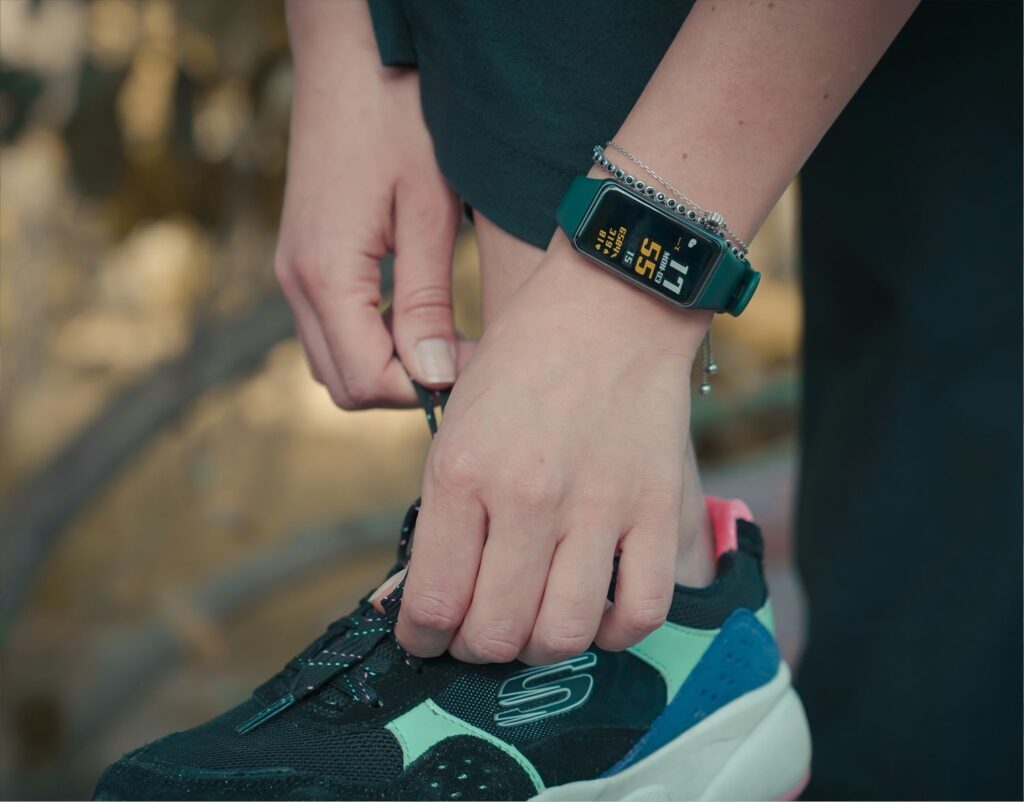
Wearable fitness technology refers to electronic devices designed to be worn on the body to collect and analyze health and fitness data. These devices can track steps, calories burned, heart rate, sleep quality, oxygen levels, stress, and workout performance in real time. The growing awareness of healthy lifestyles and preventive healthcare has significantly increased the demand for wearable devices worldwide.
One of the biggest advantages of wearable fitness technology is real-time health monitoring. Fitness trackers and smartwatches allow users to continuously monitor physical activity and vital health indicators. This instant feedback encourages healthier habits and helps individuals stay motivated in achieving their fitness goals.
Popular devices such as the Apple Watch and Fitbit have transformed personal fitness management by combining health tracking with communication and lifestyle features. Users can receive workout guidance, monitor daily progress, and even receive alerts about irregular heart activity.
The integration of the Internet of Things has further improved wearable fitness technology. Connected devices can sync with smartphones, cloud platforms, and health applications, enabling seamless data sharing and analysis. This connectivity helps users and healthcare professionals access health insights more efficiently.
In India, wearable fitness technology is gaining popularity due to increasing health awareness, smartphone usage, and digital adoption. Consumers are becoming more interested in preventive healthcare and fitness tracking, leading to rising demand for affordable and advanced wearable devices.
Wearable fitness technology is also playing a significant role in sports and professional training. Athletes and coaches use advanced wearables to monitor performance metrics such as speed, endurance, recovery, and muscle activity. Data-driven training programs help improve athletic performance while reducing the risk of injuries.
Sleep tracking has become another popular feature in wearable devices. Poor sleep quality can affect physical and mental health, and wearable technology helps users understand their sleep patterns and improve rest habits. Stress monitoring and mindfulness features are also becoming common as mental wellness gains importance.
Artificial intelligence is enhancing the capabilities of wearable fitness devices. AI-powered systems can analyze user behavior, provide personalized workout recommendations, and predict potential health risks. Personalized insights improve user engagement and make fitness routines more effective.
Healthcare integration is another emerging trend. Wearable devices are increasingly being used for remote patient monitoring and chronic disease management. Doctors can monitor patient data in real time, enabling early detection of health issues and improving medical care efficiency.
Despite their benefits, wearable fitness devices also face challenges. Data privacy and cybersecurity concerns are becoming more important as wearable devices collect sensitive personal health information. Companies must ensure secure storage and responsible use of user data to maintain trust.
Battery life, accuracy, and affordability remain additional concerns for consumers. While premium devices offer advanced features, cost can limit accessibility for some users. Manufacturers are focusing on improving technology while making devices more affordable and user-friendly.
The future of wearable fitness technology looks highly promising. Innovations such as smart rings, biometric clothing, augmented reality fitness systems, and advanced medical-grade sensors are expected to further transform personal healthcare and fitness tracking. Wearables may soon become essential tools for preventive medicine and lifestyle management.
Another important trend is the integration of fitness technology with digital wellness ecosystems. Users can connect wearable devices with nutrition apps, virtual fitness classes, and healthcare platforms for a more complete wellness experience.
In conclusion, wearable fitness technology is revolutionizing how people manage their health and fitness. Through real-time monitoring, personalized insights, AI integration, and connected health systems, wearable devices are empowering individuals to lead healthier lifestyles. As technology continues to evolve, wearable fitness solutions will play an increasingly important role in preventive healthcare, sports performance, and overall well-being.