


Technology is rapidly transforming the agricultural sector in India, and mobile applications are playing a major role in empowering farmers with information, resources, and market access. With increasing smartphone penetration and affordable internet connectivity, farmers are now using digital tools to improve productivity, reduce risks, and make informed decisions. Mobile apps designed for agriculture are helping bridge the gap between traditional farming practices and modern technology-driven solutions.
One of the most important benefits of agricultural mobile apps is access to real-time information. Farmers can now receive weather forecasts, crop advisory services, pest management tips, and irrigation guidance directly on their smartphones. Accurate weather updates help farmers plan sowing, harvesting, and irrigation activities more effectively, reducing losses caused by unpredictable climate conditions.
Market information is another major advantage offered by mobile applications. Farmers often struggle with fluctuating prices and limited market access. Agricultural apps provide real-time mandi prices, demand trends, and buyer connections, enabling farmers to sell their produce at better rates. This transparency helps reduce dependency on middlemen and improves income opportunities.
In India, several government-supported digital initiatives are encouraging the use of technology in farming. Platforms such as Kisan Suvidha and eNAM provide farmers with access to weather updates, market prices, fertilizer information, and digital trading opportunities. These initiatives are helping modernize agricultural practices across the country.
Mobile apps are also supporting financial inclusion in rural areas. Farmers can use digital platforms to access crop insurance, apply for loans, and receive government subsidies more efficiently. Mobile banking and digital payment systems have simplified financial transactions, reducing delays and improving transparency.
Another significant area where mobile apps are making an impact is precision farming. Applications connected through the Internet of Things enable farmers to monitor soil conditions, water usage, and crop health in real time. Smart sensors and data analytics help optimize resource usage, increase productivity, and reduce environmental impact.
Educational support is another valuable feature of agricultural apps. Farmers can watch tutorial videos, attend online training sessions, and learn about modern farming techniques. This digital learning approach is helping farmers improve crop management practices and adopt advanced agricultural technologies.
Language accessibility has played an important role in the success of agricultural apps in India. Many platforms offer regional language support, making it easier for farmers from diverse backgrounds to access information and services. This localization improves user engagement and ensures wider adoption in rural communities.
Supply chain and logistics management are also improving through digital agriculture platforms. Farmers can connect directly with transport providers, warehouses, and buyers, reducing post-harvest losses and improving efficiency. Better coordination helps ensure that produce reaches markets quickly and in good condition.
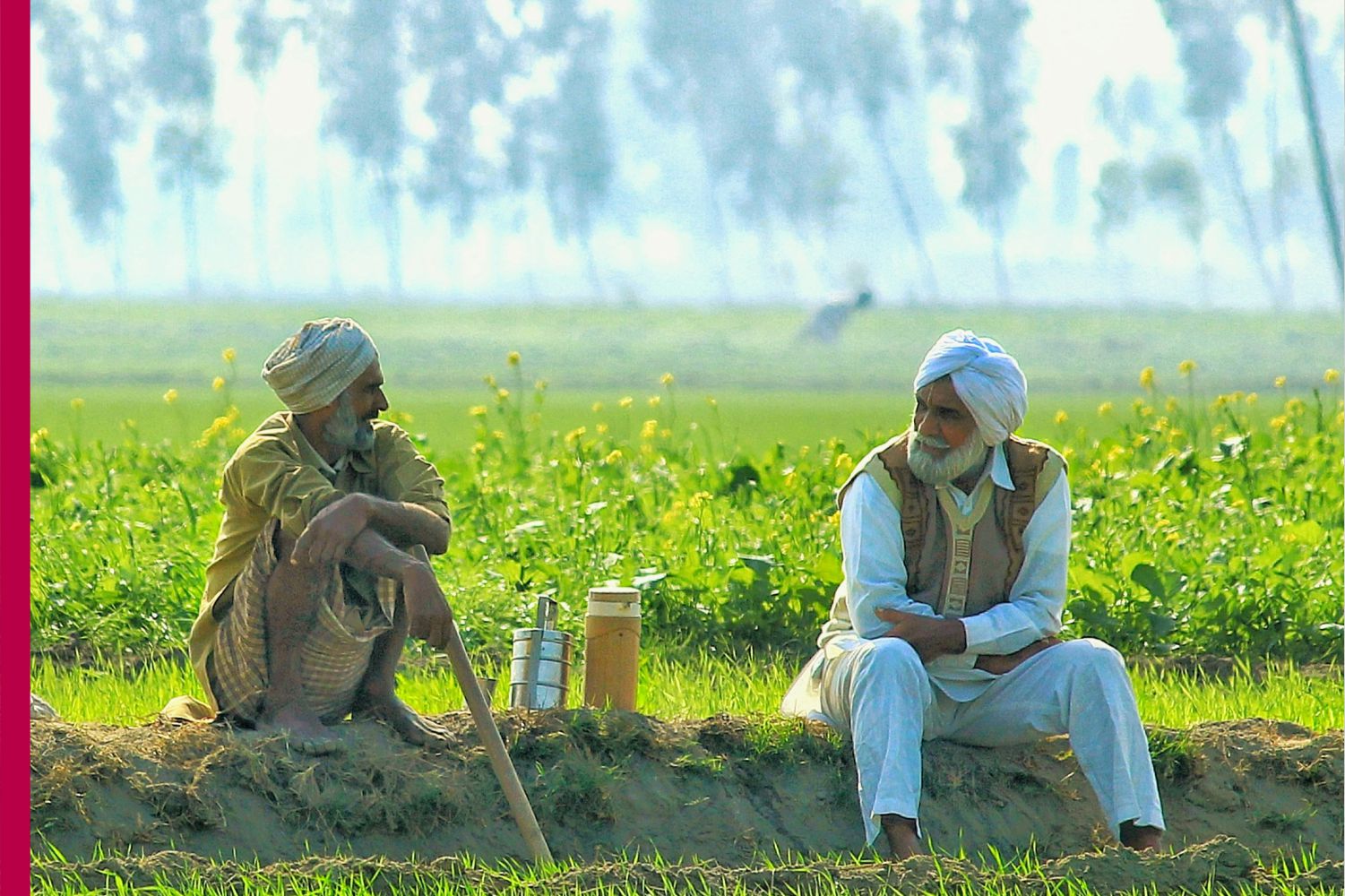
Despite these benefits, challenges remain in the adoption of mobile apps among farmers. Limited digital literacy, poor internet connectivity in remote areas, and lack of awareness can slow usage. Older farmers may also face difficulties adapting to smartphone-based systems. Addressing these issues requires training programs, infrastructure development, and user-friendly application design.
Private companies and agri-tech startups are increasingly investing in digital farming solutions. Many startups are developing AI-powered applications that provide personalized recommendations based on soil conditions, crop type, and weather patterns. These innovations are helping create smarter and more efficient farming ecosystems.
The future of mobile agriculture in India looks promising. With advancements in artificial intelligence, data analytics, and smart farming technologies, mobile apps are expected to become even more powerful tools for farmers. Government support, improved rural connectivity, and digital awareness campaigns will further accelerate adoption.
In conclusion, mobile apps are transforming Indian agriculture by providing farmers with valuable information, financial access, market connectivity, and modern farming solutions. These digital tools are improving productivity, reducing risks, and supporting sustainable agricultural growth. As technology continues to evolve, mobile applications will play an increasingly important role in empowering Indian farmers and strengthening the agricultural economy.