







The Internet of Things, commonly known as IoT, is transforming the way people interact with technology in their daily lives. By connecting devices to the internet and enabling them to communicate with each other, IoT is creating smarter homes, workplaces, cities, and healthcare systems. From wearable fitness trackers to smart refrigerators, IoT has become an integral part of modern living, improving convenience, efficiency, and connectivity.
At its core, Internet of Things refers to a network of physical devices embedded with sensors, software, and communication technologies that allow them to collect and exchange data. These devices can operate with minimal human intervention, making everyday tasks more automated and efficient.
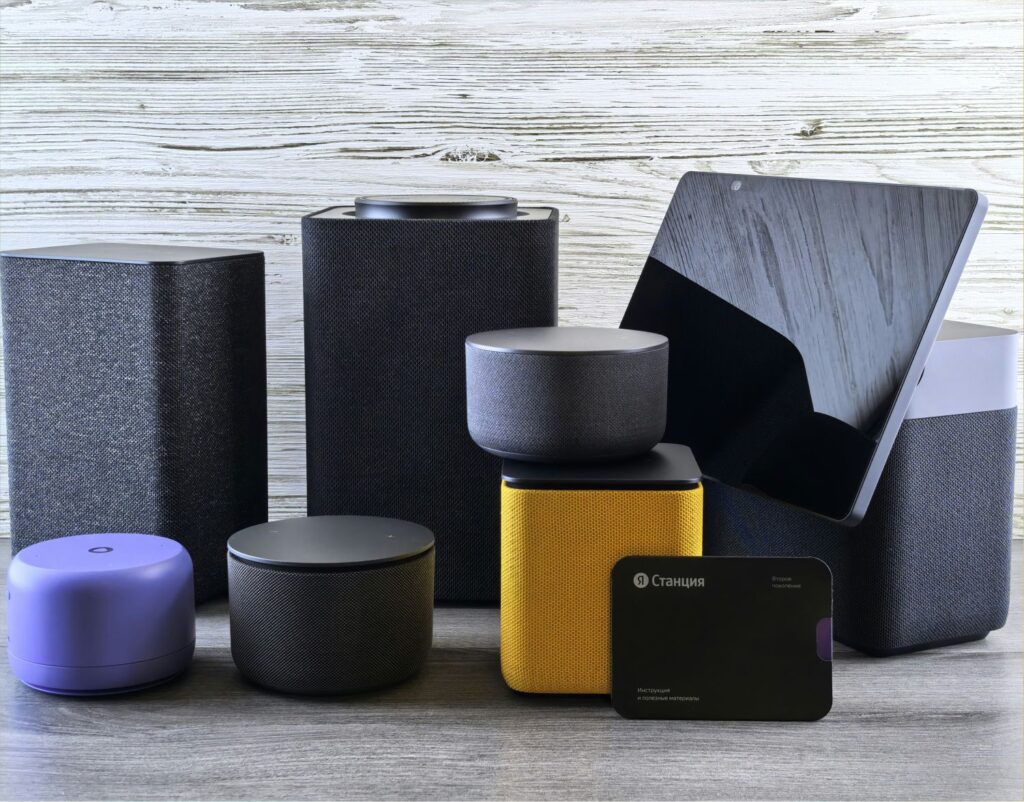
One of the most common applications of IoT is in smart homes. Devices such as smart lights, thermostats, security cameras, and voice assistants can be controlled remotely through smartphones or voice commands. These technologies allow homeowners to manage energy consumption, improve security, and create a more comfortable living environment. Smart home systems can also learn user preferences over time, offering personalized experiences.
IoT is also playing a major role in healthcare. Wearable devices like fitness bands and smartwatches monitor heart rate, physical activity, sleep patterns, and other health metrics in real time. This data helps individuals maintain healthier lifestyles and enables healthcare providers to monitor patients remotely. Remote health monitoring is especially beneficial for elderly patients and individuals with chronic conditions.
Transportation and mobility are another area where IoT is making a significant impact. Connected vehicles use sensors and internet connectivity to improve navigation, monitor vehicle performance, and enhance safety. Smart traffic systems use real-time data to reduce congestion and optimize traffic flow, making urban transportation more efficient.
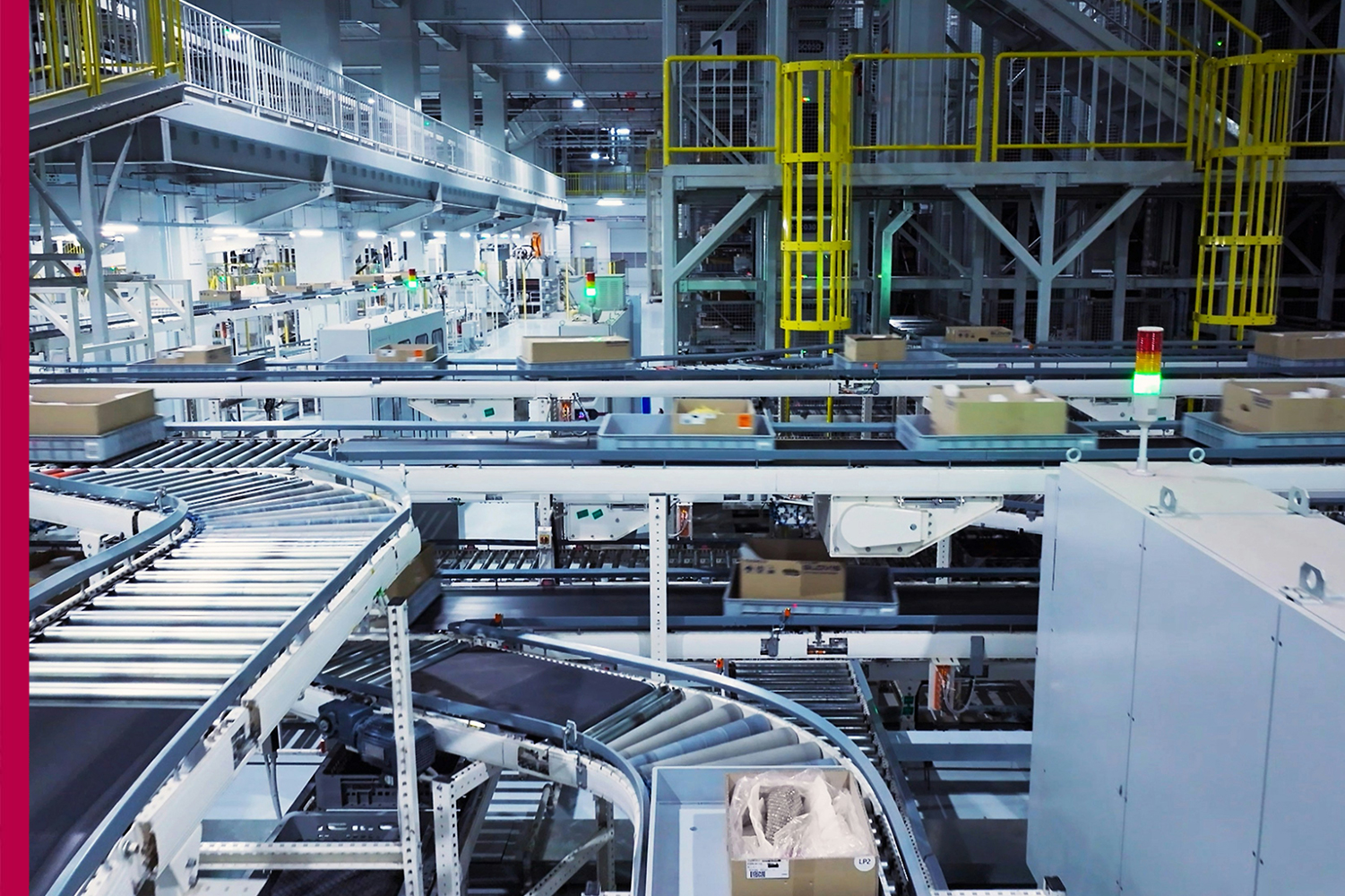
In workplaces and industries, IoT improves productivity and operational efficiency. Smart sensors monitor machinery performance, predict maintenance needs, and reduce downtime. Offices equipped with connected systems can optimize lighting, temperature, and resource usage, creating more energy-efficient environments.
Retail businesses are also benefiting from IoT technologies. Smart shelves, automated inventory systems, and personalized shopping experiences help businesses improve customer satisfaction and manage operations more effectively. IoT enables retailers to understand consumer behavior through data analysis, allowing them to offer targeted products and services.
In countries like India, IoT adoption is growing rapidly across sectors such as agriculture, healthcare, transportation, and manufacturing. Smart farming solutions use IoT sensors to monitor soil moisture, weather conditions, and crop health, helping farmers increase productivity and conserve resources.
Despite its many advantages, IoT also presents challenges. Data privacy and cybersecurity are major concerns because connected devices continuously collect and transmit information. Unauthorized access or cyberattacks can compromise sensitive data and disrupt operations. Ensuring secure communication and strong data protection measures is essential for building trust in IoT systems.
Another challenge is interoperability. Different devices and platforms must be able to communicate effectively to create seamless user experiences. Standardization and compatibility are crucial for the continued growth of IoT ecosystems.
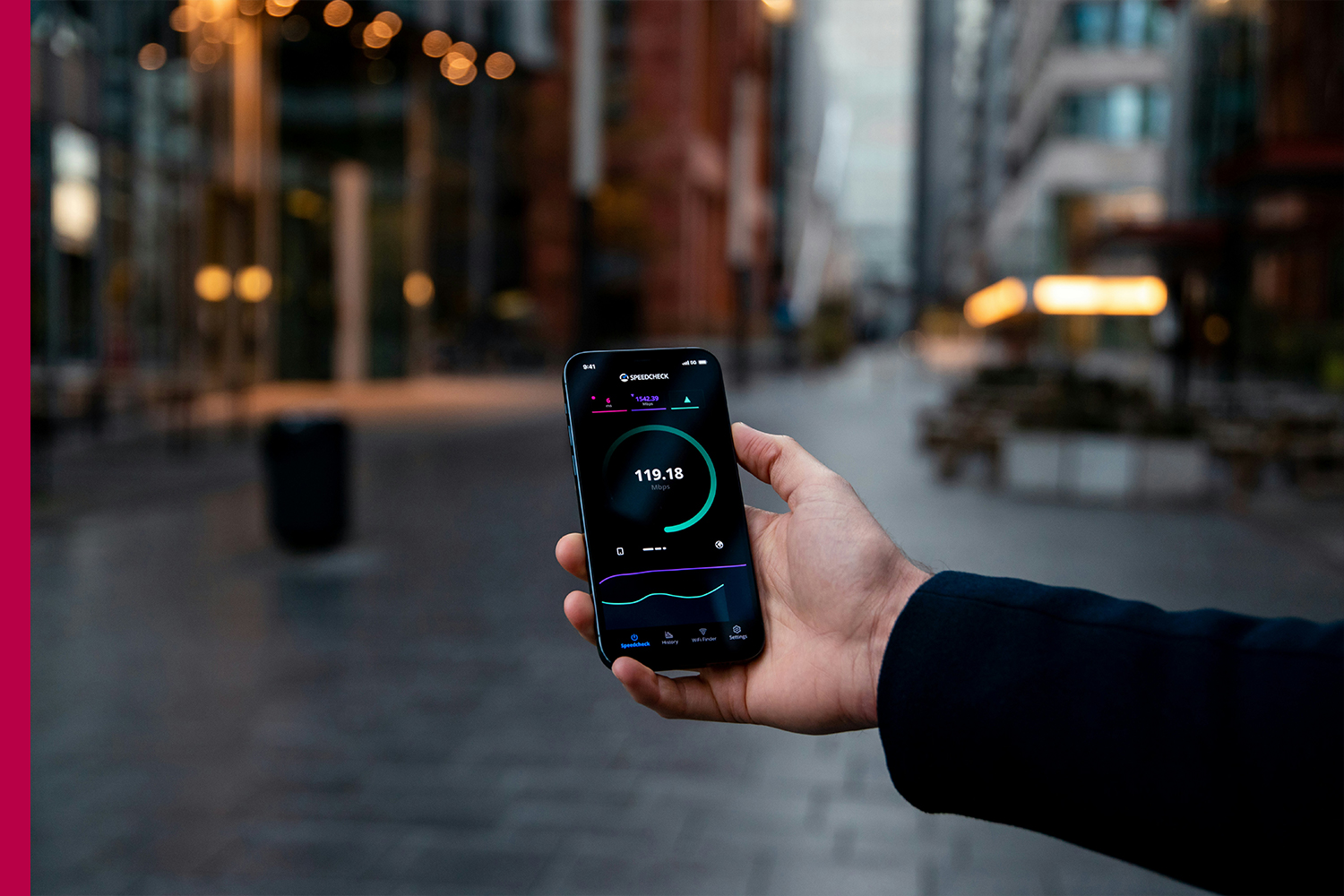
The future of IoT is closely linked with advancements in technologies such as artificial intelligence, 5G connectivity, and cloud computing. Faster internet speeds and smarter data analysis will enable even more sophisticated applications, making connected devices more responsive and efficient.
In conclusion, the Internet of Things is reshaping everyday life by connecting devices, improving convenience, and enhancing efficiency across various sectors. As technology continues to evolve, IoT will play an even greater role in creating smarter homes, cities, and industries. While challenges such as security and privacy must be addressed, the potential of IoT to improve quality of life and drive innovation is immense.