

As industries worldwide face growing environmental concerns and stricter regulations, sustainable manufacturing practices are becoming essential for long-term success. Sustainable manufacturing focuses on producing goods through environmentally responsible processes while minimizing waste, conserving resources, and reducing negative environmental impacts. This approach not only benefits the planet but also improves operational efficiency, brand reputation, and profitability.
One of the key principles of sustainable manufacturing is resource efficiency. Manufacturers are increasingly adopting methods to reduce the consumption of raw materials, water, and energy during production. By optimizing processes and using advanced technologies, companies can minimize waste and improve productivity. Efficient resource management also lowers operational costs, making sustainability economically beneficial.
Energy conservation plays a major role in sustainable manufacturing. Factories are investing in renewable energy sources such as solar and wind power to reduce dependence on fossil fuels. Energy-efficient machinery, LED lighting, and smart energy management systems help lower electricity consumption and carbon emissions. These measures contribute to reducing the industry’s environmental footprint.
Waste reduction and recycling are also central to sustainable practices. Many manufacturers are embracing the concept of a circular economy, where materials are reused, recycled, or repurposed instead of discarded. Recycling industrial waste and using recycled materials in production help reduce landfill usage and conserve natural resources. This approach supports long-term sustainability and responsible resource utilization.
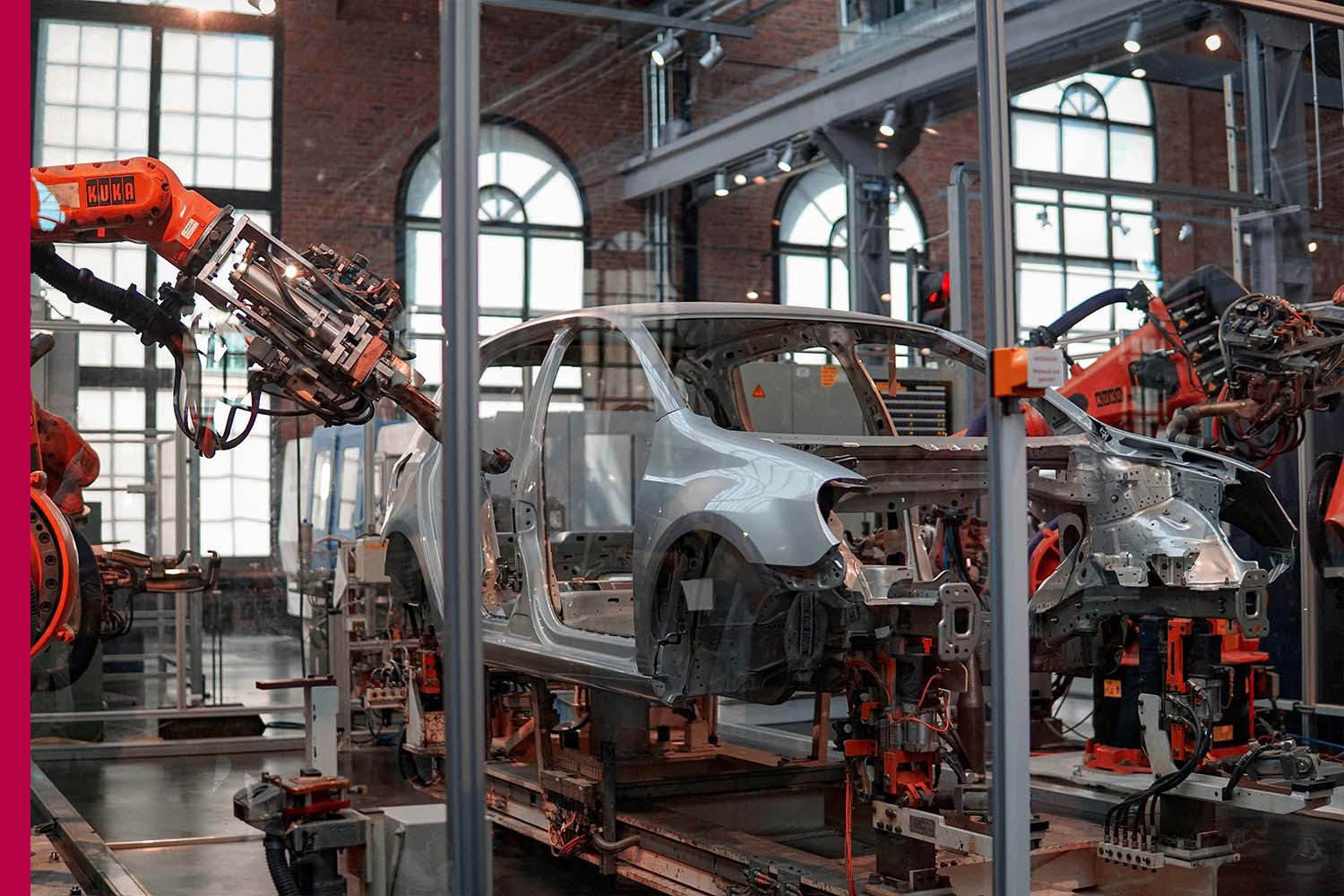
Technology is driving innovation in sustainable manufacturing. Advanced systems based on the Internet of Things enable real-time monitoring of machinery, energy usage, and production efficiency. Data analytics and automation help identify inefficiencies and optimize processes, reducing waste and improving overall performance.
In India, sustainable manufacturing is gaining momentum as industries align with environmental goals and global sustainability standards. Government initiatives promoting renewable energy, waste management, and green industrial practices are encouraging businesses to adopt eco-friendly solutions. Companies are increasingly investing in cleaner technologies and sustainable infrastructure to remain competitive in international markets.
Another important aspect of sustainable manufacturing is eco-friendly product design. Businesses are developing products that use fewer resources, last longer, and are easier to recycle. Sustainable packaging materials and biodegradable alternatives are also becoming more common, reducing environmental impact throughout the product lifecycle.
Water conservation is particularly important in manufacturing sectors such as textiles, chemicals, and food processing. Advanced water treatment and recycling systems allow industries to reuse water efficiently and reduce pollution. These practices help preserve water resources and ensure compliance with environmental regulations.
Supply chain sustainability is another growing focus area. Manufacturers are working closely with suppliers to ensure ethical sourcing, environmentally responsible practices, and reduced emissions across the supply chain. Transparent and sustainable supply chains improve brand credibility and customer trust.
Employee involvement also contributes to successful sustainability initiatives. Companies are encouraging workers to participate in energy-saving measures, waste reduction programs, and environmental awareness activities. A culture of sustainability within the workplace fosters innovation and responsibility.
Despite the benefits, implementing sustainable manufacturing practices comes with challenges. High initial investment costs, lack of technical expertise, and resistance to change can slow adoption. Small and medium-sized enterprises may face additional financial and operational barriers. However, long-term savings, regulatory compliance, and market advantages often outweigh these challenges.
Consumer awareness is another factor driving sustainability in manufacturing. Customers are increasingly choosing products from companies that demonstrate environmental responsibility. This shift in consumer behavior is encouraging businesses to adopt greener practices and improve transparency.
Looking ahead, the future of manufacturing will be strongly influenced by sustainability and technological innovation. Emerging technologies such as artificial intelligence, green hydrogen, and smart factories are expected to further improve efficiency and environmental performance.
In conclusion, sustainable manufacturing practices are essential for balancing industrial growth with environmental responsibility. By conserving resources, reducing waste, and embracing cleaner technologies, manufacturers can create long-term value for both businesses and society. As industries continue to evolve, sustainability will remain a key driver of innovation, competitiveness, and global economic progress.