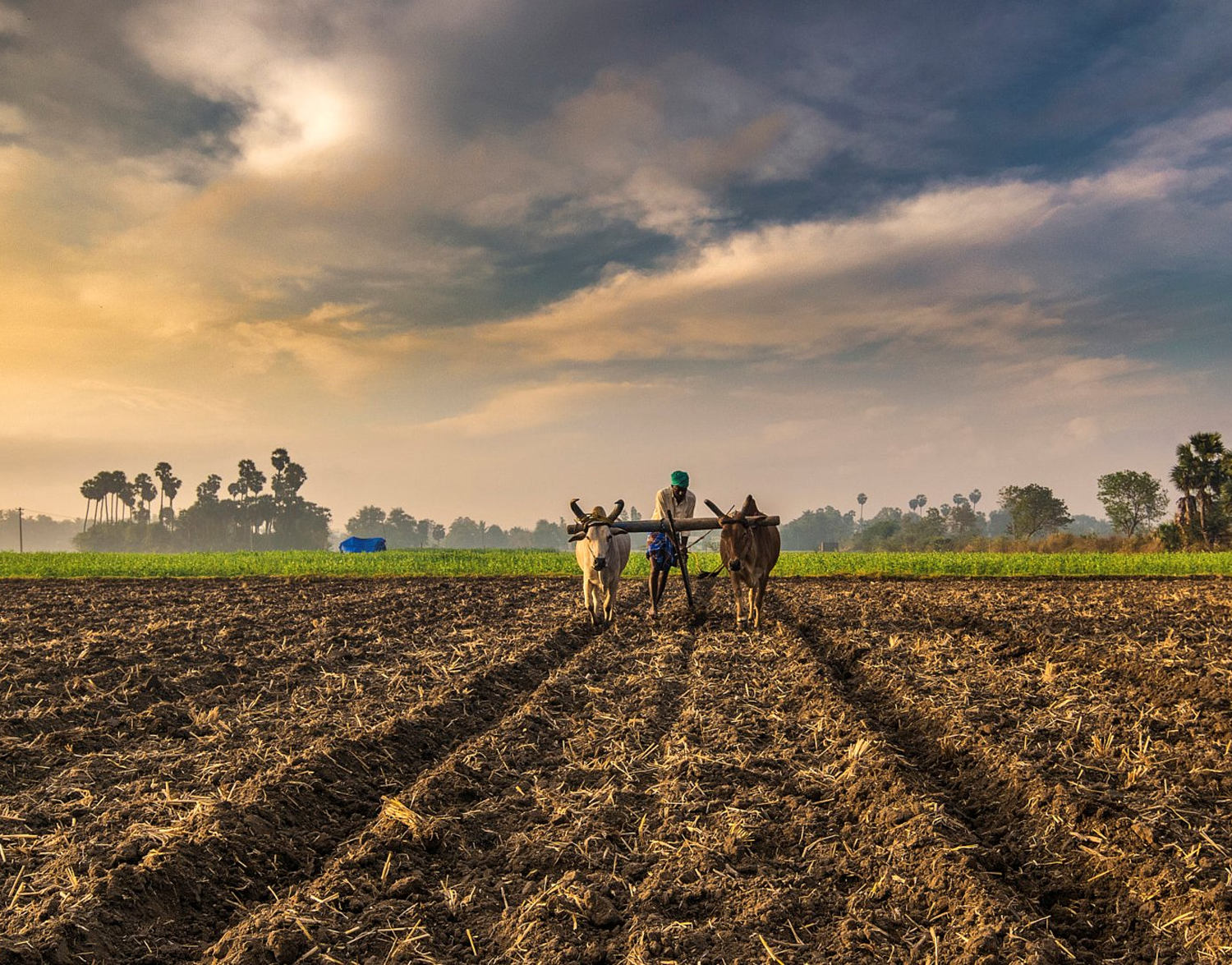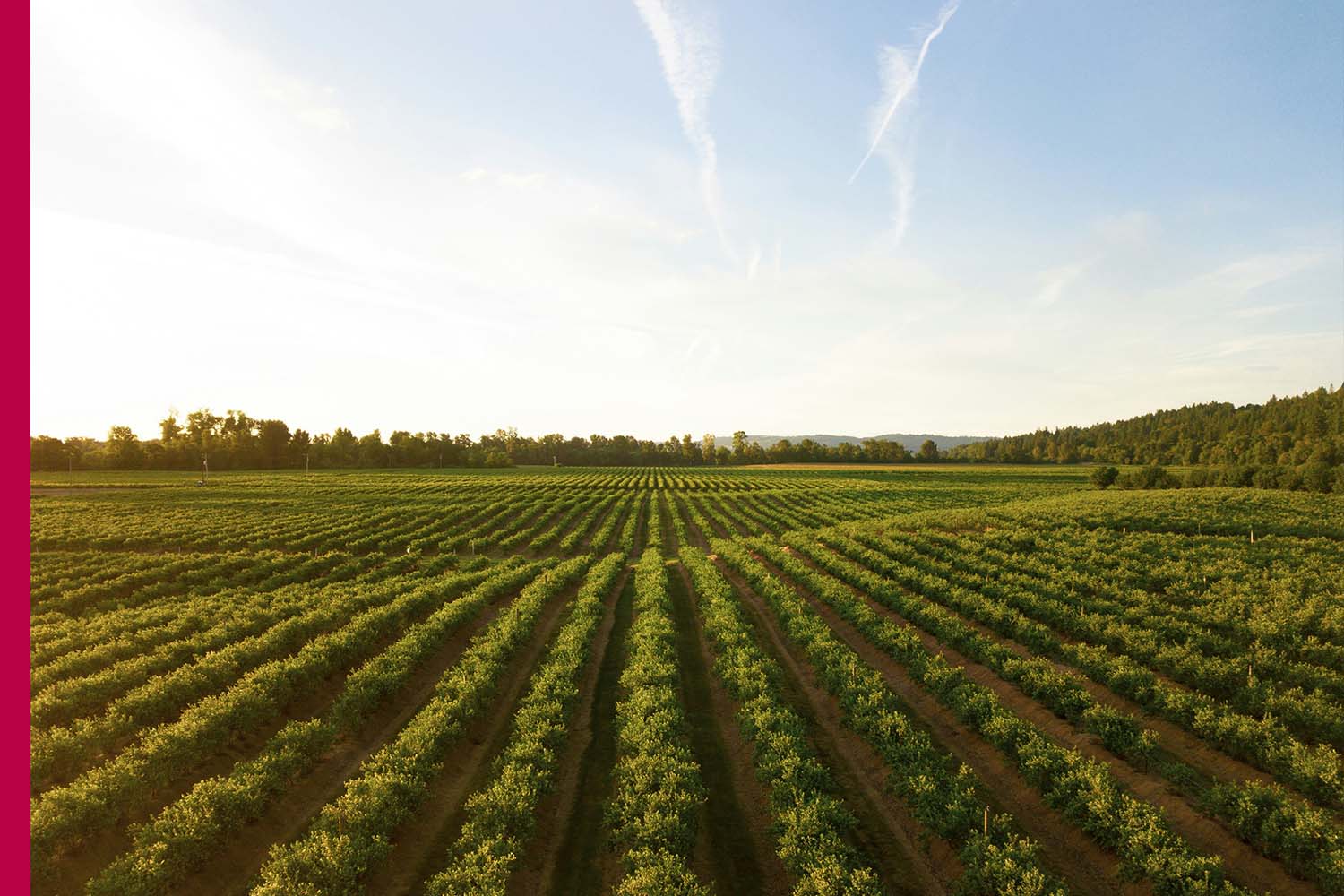




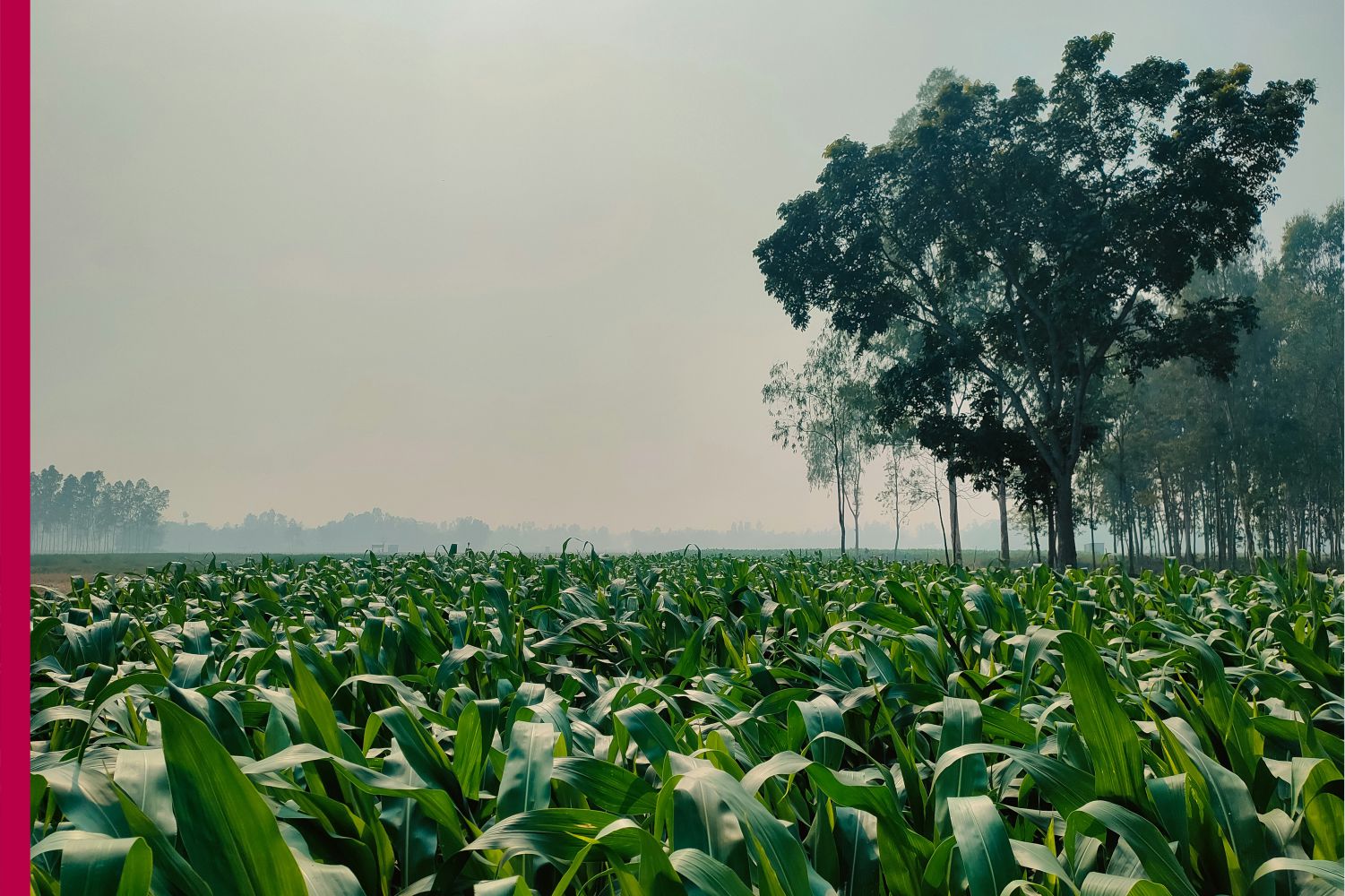
Crop diversification is an effective agricultural strategy that helps farmers improve income stability, reduce risks, and enhance overall productivity. Instead of relying on a single crop, farmers cultivate a variety of crops within a season or across different seasons. This approach not only safeguards against market and climate uncertainties but also promotes sustainable farming practices that benefit both the land and the farmer.
One of the key advantages of crop diversification is risk reduction. Agriculture is highly dependent on weather conditions, pest attacks, and market fluctuations. When farmers depend on a single crop, any adverse event can lead to significant financial losses. By growing multiple crops, the impact of failure in one crop can be balanced by the success of others. This creates a more stable and predictable income stream, which is especially important for small and marginal farmers.
Improving soil health is another important benefit of diversification. Different crops have varying nutrient requirements and root structures. Rotating crops such as legumes with cereals helps replenish soil nutrients naturally, particularly nitrogen. This reduces the need for chemical fertilizers and enhances long-term soil fertility. Healthier soil leads to better yields and lower input costs, contributing to increased profitability.
Crop diversification also opens up opportunities to tap into different markets. Farmers can grow a mix of staple crops, cash crops, fruits, vegetables, and even medicinal plants based on demand and local conditions. This variety allows them to cater to multiple market segments, reducing dependency on a single source of income. High-value crops such as spices, herbs, or organic produce can significantly boost earnings when marketed effectively.
Another important strategy within crop diversification is intercropping, where two or more crops are grown simultaneously on the same field. This method maximizes land use and can improve productivity. For example, combining deep-rooted and shallow-rooted crops ensures efficient use of soil nutrients and water. Intercropping can also help control pests naturally, as certain plant combinations reduce the spread of diseases and insect infestations.
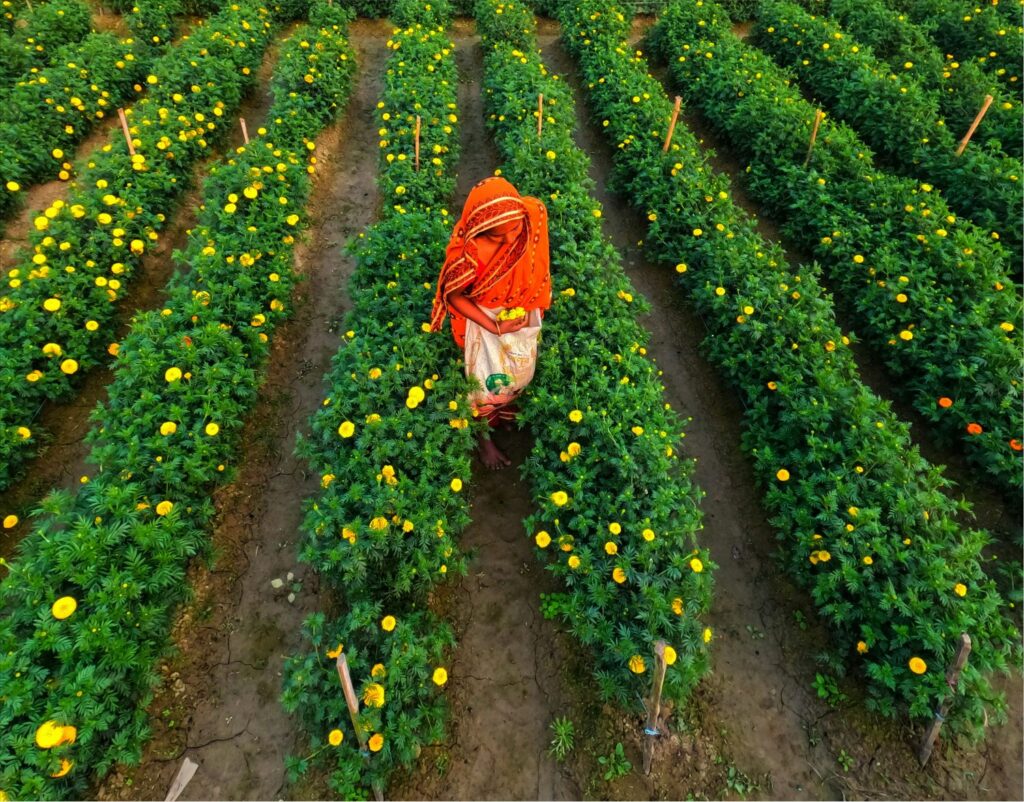
Seasonal planning plays a crucial role in successful diversification. Farmers can adopt multi-cropping systems, growing different crops in different seasons to ensure year-round production. This approach optimizes the use of land and resources while providing continuous income. Proper planning also helps in managing labor and reducing idle periods on the farm.
Access to technology and information further strengthens diversification strategies. Modern tools such as weather forecasting, soil testing, and precision farming techniques enable farmers to make informed decisions about crop selection and resource management. Extension services and agricultural training programs can also provide valuable guidance on best practices and market trends.
However, crop diversification does come with challenges. Farmers may require additional knowledge, investment, and access to quality seeds and inputs. Market access and price fluctuations for diverse crops can also pose risks. Therefore, support from government policies, cooperatives, and supply chain networks is essential to ensure successful implementation.
In conclusion, crop diversification is a powerful strategy for improving farm income and sustainability. By reducing risks, enhancing soil health, and expanding market opportunities, it enables farmers to build resilient agricultural systems. With proper planning, access to resources, and supportive infrastructure, diversification can lead to long-term economic and environmental benefits for the farming community.